
Choking Cities: The Impact of Air Pollution on India's Respiratory Health
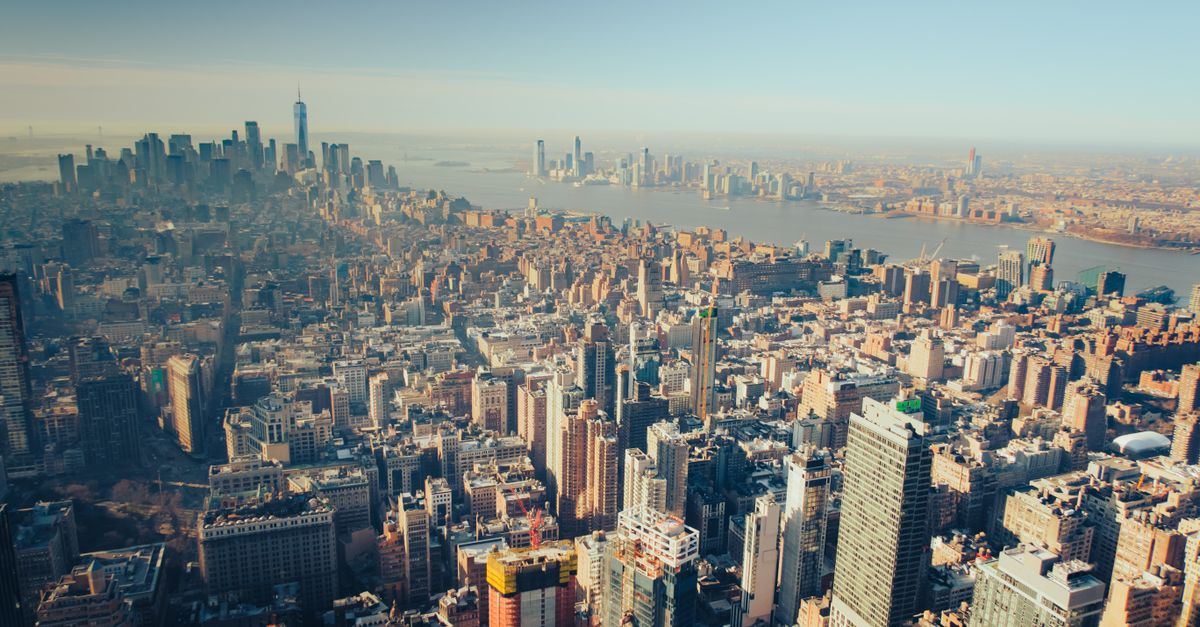
Air pollution in Indian cities exacerbates chronic respiratory diseases, posing severe health risks.
In India, rapid urbanization has brought with it a shadowy companion: air pollution. The country's bustling cities, from Delhi to Mumbai, have become epicenters of deteriorating air quality, with far-reaching implications for public health. As smog blankets these urban areas, the incidence of chronic respiratory diseases has surged, affecting millions and straining healthcare resources.
Why India's Urban Air Quality is Declining
Several factors contribute to the declining air quality in Indian cities. Industrial emissions, vehicular exhaust, dust from construction activities, and residential fuel burning are primary culprits. According to the World Health Organization, 14 of the world's 20 most polluted cities are in India. This pollution is not just a seasonal phenomenon but a persistent threat, exacerbated by climate change and inadequate regulatory measures.
Chronic Respiratory Diseases on the Rise
The correlation between air pollution and respiratory diseases is well-documented. In India, chronic obstructive pulmonary disease (COPD) and asthma are on the rise, affecting both children and adults. The Indian Council of Medical Research (ICMR) reports that respiratory diseases account for a significant percentage of the country’s disease burden, with air pollution being a primary driver.
For instance, studies have shown that residents of Delhi are more likely to suffer from asthma and other respiratory conditions due to prolonged exposure to high levels of particulate matter (PM2.5 and PM10). These fine particles penetrate deep into the lungs, leading to inflammation and worsening existing health conditions.
Health System Strain and Economic Impact
The surge in chronic respiratory diseases is placing a considerable burden on India's healthcare system. Hospitals and clinics are witnessing an increase in cases related to air pollution, stretching their already limited resources. This situation is further complicated by the lack of specialized respiratory care facilities in many parts of the country.
Economically, the impact is equally alarming. The World Bank estimates that air pollution costs India approximately 8.5% of its GDP due to premature mortality and health-related productivity losses. This financial strain underscores the urgent need for comprehensive policy interventions to tackle air pollution.
Government Initiatives and Their Efficacy
The Indian government has launched several initiatives to combat air pollution, such as the National Clean Air Programme (NCAP), which aims to reduce particulate pollution by 20-30% by 2024 compared to 2017 levels. However, the effectiveness of these measures remains a subject of debate.
Critics argue that these initiatives lack stringent enforcement mechanisms and fail to address the root causes of pollution effectively. Moreover, the lack of real-time air quality monitoring in many cities hampers efforts to track progress and implement timely interventions.
Looking Ahead: A Need for Multilateral Action
Addressing air pollution in Indian cities requires a multifaceted approach involving governmental policy, corporate responsibility, and public awareness. Enhanced regulations, investment in cleaner technologies, and effective urban planning are critical to reversing the current trend.
As Dr. Randeep Guleria, former director of AIIMS, emphasizes, "We need a collaborative effort between various stakeholders, including government, industry, and citizens, to make our air breathable again." The path to cleaner air is fraught with challenges, but the health and economic benefits of reducing air pollution are too significant to ignore.