
Chiranjeevi Yojana: Transforming Healthcare for 1.4 Crore Families in Rajasthan
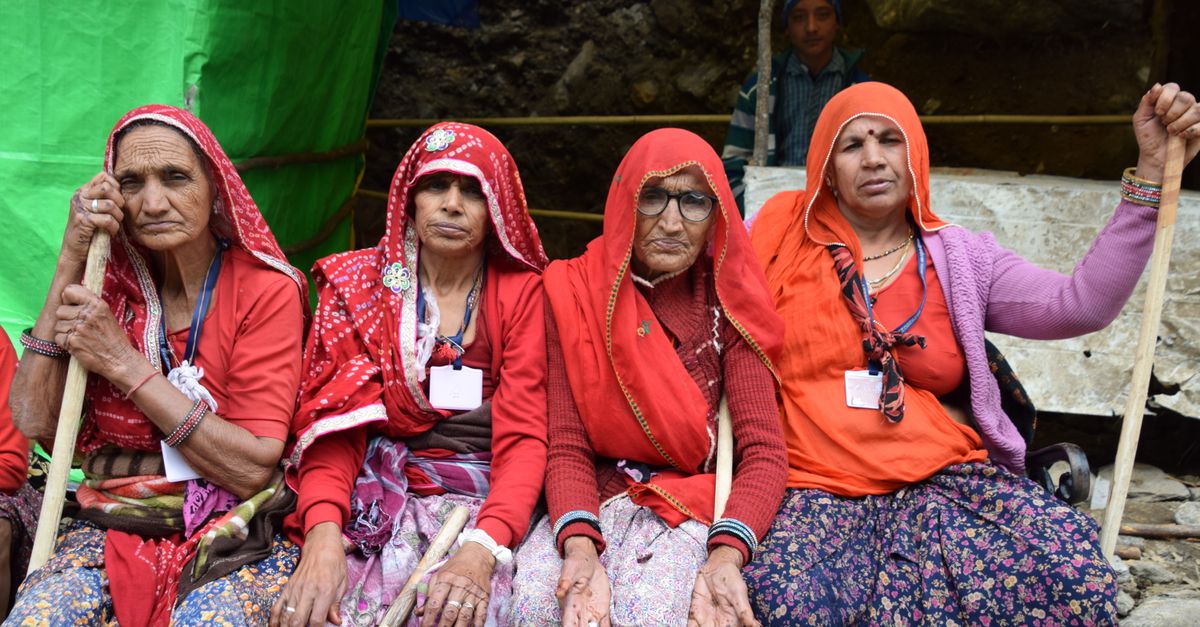
Chiranjeevi Yojana is providing critical healthcare access to over 1.4 crore families in Rajasthan, reshaping the state's medical landscape.
Since its launch in May 2021, the Chiranjeevi Yojana has been a beacon of hope for more than 1.4 crore families in Rajasthan, offering them a lifeline through free healthcare services. This ambitious initiative by the Rajasthan government aims to bring quality medical care to the doorstep of its residents, especially targeting the economically disadvantaged.
The Vision Behind Chiranjeevi Yojana
Chiranjeevi Yojana was conceived to address the critical healthcare gaps in Rajasthan, where a considerable portion of the population resides in rural areas with limited access to medical facilities. The scheme provides cashless treatment up to Rs 5 lakh per family annually, covering a wide range of medical services, including surgeries, therapies, and diagnostic tests.
Chief Minister Ashok Gehlot's vision for the scheme is rooted in making healthcare a fundamental right rather than a privilege. This vision is especially vital in a state where healthcare infrastructure has historically lagged due to geographical and economic constraints.
Implementation and Reach
The implementation of Chiranjeevi Yojana has been marked by a concerted effort to ensure that no eligible family is left behind. With a robust network of public and private hospitals enlisted under the scheme, the government has leveraged both sectors to maximize reach and efficiency. As of 2023, over 8,000 hospitals are part of this program, providing a diverse range of services without any upfront payments from the beneficiaries.
To streamline the process, the Rajasthan government has utilized technology to facilitate registrations and claims processing. The integration of Aadhaar-based identification ensures transparency and reduces the likelihood of fraud. Additionally, the scheme's outreach campaigns have been pivotal in educating the rural populace about their entitlements and how to access them.
Impact on Beneficiaries
For the families benefiting from Chiranjeevi Yojana, the impact has been profound. The financial burden of medical expenses that often pushed families into debt has been significantly alleviated. Beneficiaries now have access to essential surgeries and treatments, which were previously out of reach due to high costs.
Take the case of Ramesh Kumar from rural Bikaner, who availed himself of cardiac surgery under the scheme. "Without Chiranjeevi Yojana, I would have had to sell my land to cover the costs," he says, highlighting the scheme's role in saving not just lives but livelihoods as well.
Challenges and Criticisms
Despite its successes, Chiranjeevi Yojana is not without challenges. Critics point to the initial teething problems, such as delays in reimbursement to hospitals and the occasional bureaucratic hurdles faced by beneficiaries. There have also been concerns about the quality of care in some enlisted private hospitals, prompting calls for stricter monitoring and quality assurance mechanisms.
The state government has responded to these issues by setting up a dedicated grievance redressal system and periodically reviewing the panel of hospitals to ensure compliance with the scheme's standards.
Looking Ahead
As Rajasthan continues to refine and expand the Chiranjeevi Yojana, the scheme stands as a model for other states grappling with similar healthcare challenges. The government's commitment to tweak and adapt the program based on feedback underscores its potential to evolve sustainably.
With the momentum Chiranjeevi Yojana has gathered, it paves the way for a future where healthcare is accessible and equitable for all. As the Chief Minister stated, "Our goal is to ensure that no Rajasthani has to choose between health and livelihood." This initiative not only addresses immediate healthcare needs but sets the stage for a healthier, more resilient population.