
Childhood Immunization Rates Rise Amid Global Challenges: WHO, UNICEF
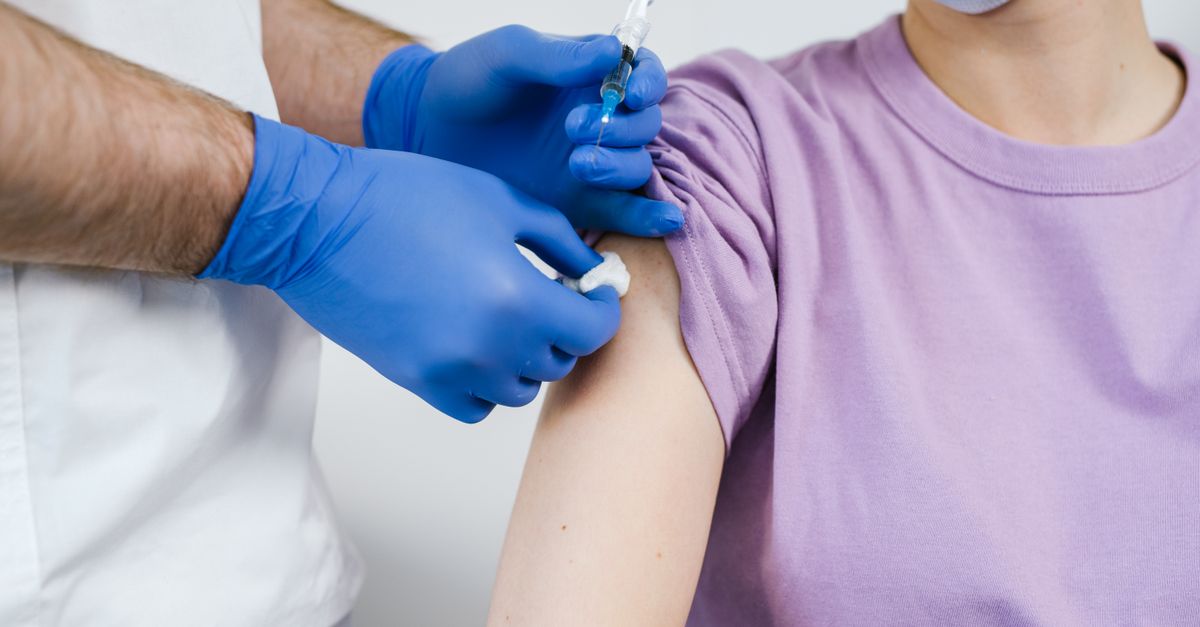
Global childhood vaccination rates show progress despite obstacles like conflict and vaccine hesitancy, reports WHO and UNICEF.
Global childhood immunization coverage has seen a modest increase, overcoming hurdles such as ongoing conflicts and vaccine hesitancy, according to a joint report by UNICEF and the World Health Organization (WHO). This development signifies a positive trend in public health efforts to protect children from preventable diseases worldwide.
Incremental Progress Amidst Adversity
The report highlights that despite the challenging global landscape, marked by political instability and misinformation campaigns, vaccination coverage for children has improved. The gains are attributed to concerted efforts by governments, health organizations, and local communities to prioritize immunization programs.
In 2022, approximately 85% of infants received three doses of the diphtheria-tetanus-pertussis (DTP3) vaccine, a crucial indicator of immunization performance. This marks a slight increase from the previous year, showcasing resilience in healthcare systems despite numerous obstacles.
Challenges of Conflict and Vaccine Hesitancy
Conflict zones pose a significant challenge to vaccination efforts, as infrastructure is often compromised, and access to healthcare is severely limited. Countries experiencing prolonged conflicts, such as Syria and Yemen, have been particularly hard-hit, with vaccination rates plummeting in certain regions. However, targeted interventions, including mobile clinics and community engagement, have helped mitigate these issues to some extent.
Vaccine hesitancy remains another formidable barrier. Misinformation about vaccine safety and efficacy has fueled skepticism among parents, leading to lower vaccination rates in some areas. WHO and UNICEF emphasize the need for robust public education campaigns to counteract false narratives and build trust in vaccines.
Collaborative Efforts Driving Change
Efforts to improve vaccine coverage have been bolstered by international collaboration. Initiatives such as the Global Vaccine Action Plan and Gavi, the Vaccine Alliance, have played significant roles in mobilizing resources and support for immunization programs in low-income countries.
Dr. Tedros Adhanom Ghebreyesus, Director-General of WHO, stated, "The progress we see is a testament to the hard work and dedication of health workers and communities. However, we must continue to address the barriers that prevent every child from receiving life-saving vaccines."
UNICEF has also been instrumental in delivering vaccines to remote and underserved areas, often overcoming logistical challenges to ensure that vaccines reach those in need.
Looking Ahead
While the recent improvements in immunization coverage are encouraging, WHO and UNICEF caution that sustained efforts are necessary to maintain and build upon these gains. The organizations call for increased investment in healthcare infrastructure, particularly in conflict-affected and low-resource settings.
Future strategies will focus on enhancing vaccine supply chains, increasing community involvement, and employing innovative technologies to track and deliver vaccines more effectively. By addressing these critical areas, global health leaders hope to achieve higher immunization rates and protect more children from preventable diseases.