
Child Health in India: Navigating Progress and Persistent Hurdles
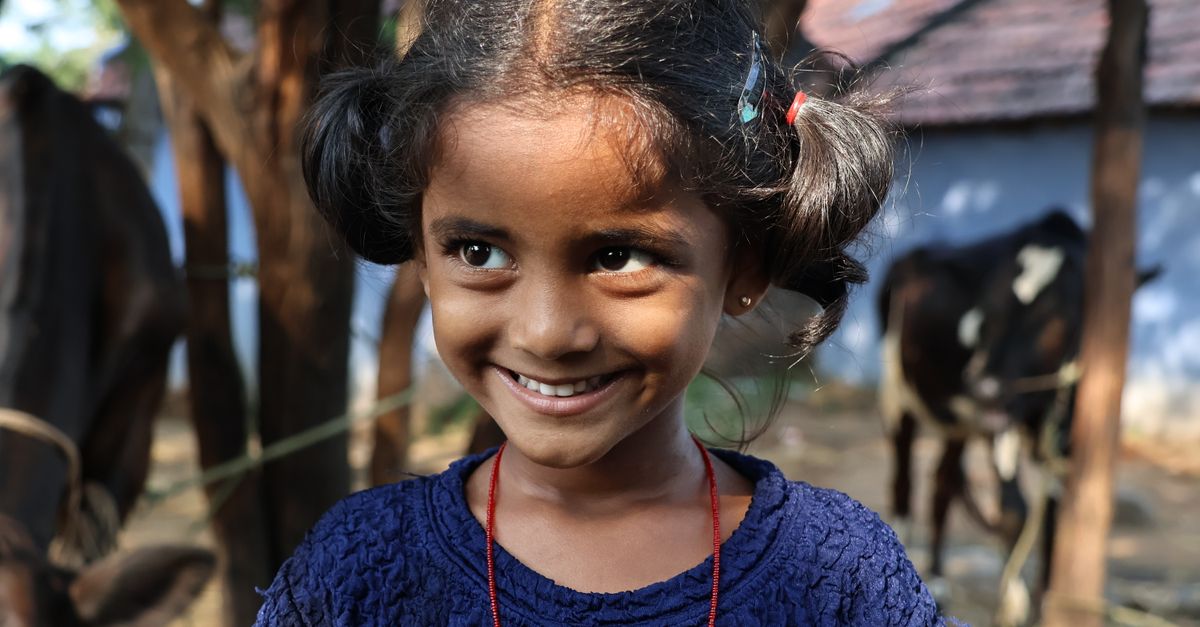
India has made strides in child health, yet malnutrition, sanitation, and healthcare access remain significant hurdles.
In recent years, India has taken substantial steps toward improving child health, with government initiatives and international collaborations playing a pivotal role. However, despite these efforts, significant challenges remain, particularly in areas such as malnutrition, sanitation, and healthcare access.
Government Initiatives and Their Impact
The Indian government has launched multiple programs aimed at enhancing child health. The Integrated Child Development Services (ICDS) scheme, for instance, provides food, preschool education, and primary healthcare to children under six years and their mothers. Another notable initiative is the National Health Mission, which addresses maternal and child health through comprehensive strategies.
These programs have yielded some positive outcomes. According to the National Family Health Survey (NFHS-5), the infant mortality rate in India has shown a decline from 41 per 1,000 live births in 2015-16 to 35 in 2019-20. This progress, while commendable, highlights the ongoing need for targeted interventions in regions where rates remain high.
The Persistent Challenge of Malnutrition
Malnutrition continues to be a critical issue affecting child health in India. The Global Nutrition Report 2021 indicates that India is home to one-third of the world’s stunted children. Despite numerous governmental efforts, including the Poshan Abhiyaan, which aims to reduce stunting, underweight, and anemia among children and women, progress has been uneven.
Experts argue that these initiatives require more robust implementation and monitoring. A focus on educating mothers about nutrition and expanding access to nutritious food in rural and underserved areas is essential. Moreover, addressing malnutrition demands a multi-sectoral approach involving food security, education, and women's empowerment.
Sanitation and Its Impact on Child Health
Sanitation is another area where improvements are urgently needed. Poor sanitation practices contribute significantly to the spread of diseases such as diarrhea, which remains a leading cause of child mortality. The Swachh Bharat Abhiyan, a nationwide cleanliness campaign, has been instrumental in increasing toilet coverage and reducing open defecation. However, the challenge lies in sustaining these improvements and ensuring they translate into better health outcomes.
Studies suggest that while infrastructure has improved, behavioral change is equally important. Continued community engagement and education about hygiene and sanitation practices can further reduce the incidence of diseases related to poor sanitation.
Access to Healthcare Services
Access to quality healthcare remains uneven across India, with rural areas often lacking adequate facilities and trained healthcare professionals. The disparity is evident in the availability of pediatric care, as urban centers tend to have better-resourced hospitals and clinics.
Telemedicine and mobile health units have emerged as potential solutions to bridge this gap, especially during the COVID-19 pandemic. These innovations have expanded healthcare access in remote areas, yet their long-term success depends on sustainable infrastructure and internet connectivity.
Looking Ahead: A Collaborative Approach
To overcome these challenges, a collaborative approach involving government agencies, NGOs, international organizations, and local communities is crucial. Investments in healthcare infrastructure, nutrition programs, and educational campaigns must continue to be prioritized.
As India strides forward, the focus should remain on ensuring that progress in child health is inclusive and equitable. The country's future depends on the well-being of its youngest citizens, and their health should be a national priority.