
Chicago's Healthcare Revolution: Tech-Driven Patient Care Advancements
Chicago healthcare is transforming with technology, enhancing patient experiences and outcomes, driven by innovations rooted in local hospitals and startups.
Chicago, a city renowned for its architectural marvels and cultural vibrancy, is now making waves in the healthcare sector through groundbreaking technological innovations. Leading hospitals and startups in the Windy City are harnessing advanced technologies to transform patient care, making it more efficient and personalized.
AI and Machine Learning in Diagnostics
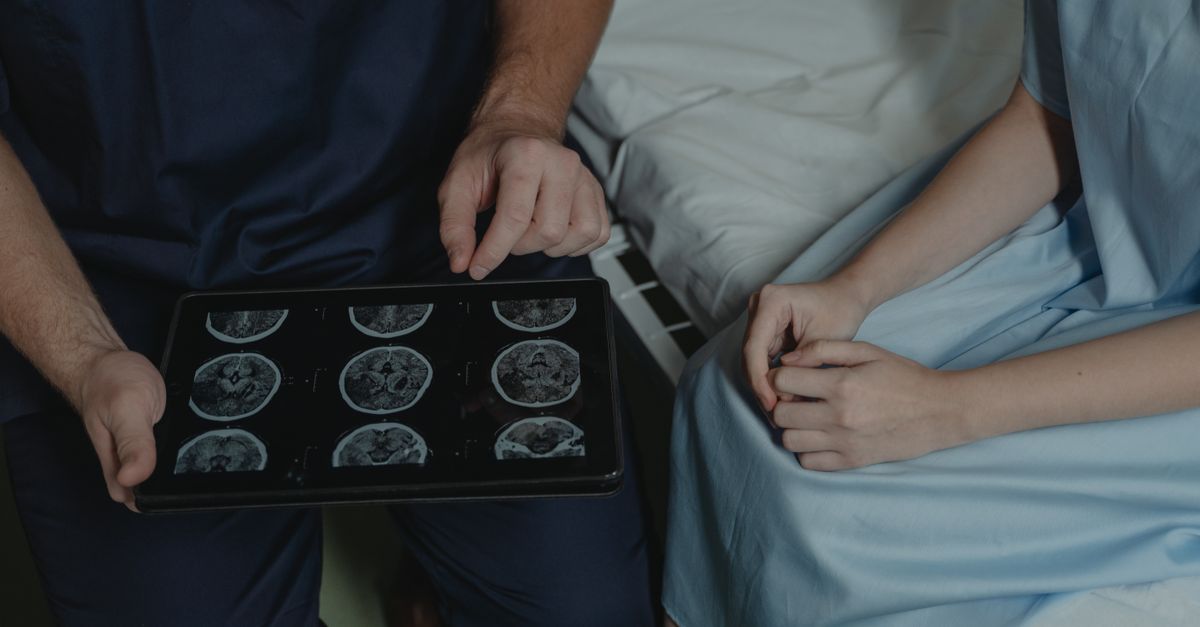
One of the most significant shifts in Chicago's healthcare landscape is the integration of artificial intelligence (AI) and machine learning in diagnostics. Northwestern Medicine, for instance, has been employing AI algorithms to analyze medical imaging with remarkable accuracy. These tools assist radiologists by identifying anomalies that may not be immediately visible to the human eye, thus expediting diagnosis and treatment pathways.
According to a study published by the American College of Radiology in 2023, AI-enhanced diagnostic tools have reduced the error rate by nearly 30% while also cutting down the time required for image analysis by 50%. This not only improves patient outcomes but also reduces costs—aligning with the Centers for Medicare & Medicaid Services (CMS) goals for value-based care.
Telehealth Expands Access and Convenience
The COVID-19 pandemic catalyzed the adoption of telehealth services across the United States, and Chicago was no exception. Institutions like Rush University Medical Center expanded their telehealth offerings, allowing patients to consult with healthcare providers from the safety of their homes. This shift has been particularly beneficial for patients with mobility issues or those residing in underserved areas.
Telehealth has also been instrumental in mental health care, where privacy and immediate access are paramount. Chicago-based startups like Regroup Telehealth have partnered with local clinics to provide remote psychiatric consultations. The Health Resources and Services Administration (HRSA) reports that telehealth visits in Illinois increased by over 600% between 2020 and 2022, highlighting the growing acceptance and reliance on digital consultations.
Wearable Technology and Patient Monitoring
Wearable technology, such as smartwatches and fitness trackers, has become a staple in monitoring patient health outside of clinical settings. Northwestern Medicine and the University of Chicago Medical Center are at the forefront of integrating these devices into patient care plans. By continuously collecting data on vital signs, physical activity, and even sleep patterns, healthcare providers can make more informed decisions about treatment plans.
The Food and Drug Administration (FDA) has approved several wearable devices for use in clinical trials, reinforcing their potential in chronic disease management. For patients with conditions like diabetes or hypertension, real-time data transmission to health providers can prevent hospitalizations and improve overall health outcomes.
Big Data and Personalized Medicine
Chicago's commitment to innovation is further exemplified by its use of big data analytics to enhance personalized medicine. By analyzing vast amounts of patient data, healthcare providers can tailor treatments to individual genetic profiles and lifestyle factors. The National Institutes of Health (NIH) have supported several initiatives in the city aimed at integrating genomic data into routine care.
Local biotech companies, such as Tempus, are leading the charge by providing genomic sequencing services that allow physicians to customize cancer treatments. This personalized approach not only increases the efficacy of treatments but also reduces the incidence of adverse drug reactions—an important consideration for improving patient safety and satisfaction.
Looking Ahead: The Future of Patient Care in Chicago
As Chicago continues to embrace technological advancements in healthcare, the potential for improved patient care seems boundless. The city’s healthcare providers are setting an example for how technology can be seamlessly integrated into medical practice, ultimately leading to better outcomes and greater patient satisfaction. As these innovations gain traction, the rest of the nation will undoubtedly watch closely, eager to replicate Chicago's success in their own healthcare systems.