
Cell and Gene Therapy: Revolutionizing India's Pharmaceutical Landscape
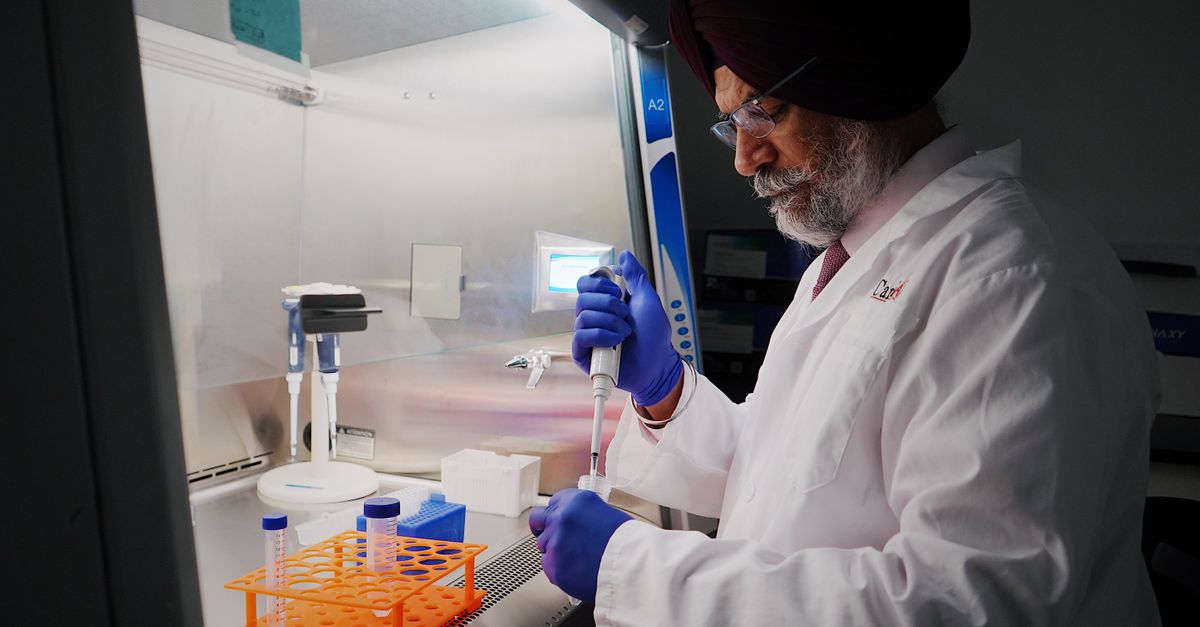
India is poised to become a leader in cell and gene therapy, transforming its pharmaceutical industry and offering new hope for genetic diseases.
India, often dubbed the 'pharmacy of the world,' is on the brink of a new era in pharmaceuticals with the burgeoning field of cell and gene therapy. This rapidly evolving sector promises to transform the treatment landscape for a range of genetic disorders, cancers, and chronic diseases. As the country gears up to embrace this innovative frontier, it is essential to understand how India can leverage its existing strengths to become a global leader in this domain.
Why Cell and Gene Therapy Matters
Cell and gene therapy represents a paradigm shift in the treatment of diseases. Unlike traditional pharmaceuticals that manage symptoms, these therapies aim to address the root cause of diseases by repairing or replacing defective genes or cells. This revolutionary approach holds potential for curing previously untreatable conditions, offering a new lease on life to millions.
Globally, the cell and gene therapy market is projected to reach $13 billion by 2026, with a compound annual growth rate of 36%. India's entry into this high-value market could significantly uplift its pharmaceutical sector, providing economic benefits and healthcare advancements.
India's Competitive Edge
India’s advantage in the pharmaceutical industry lies in its robust manufacturing capabilities, cost efficiency, and a large pool of skilled scientists and researchers. The country is already a major exporter of generic drugs, accounting for 20% of the global supply. The infrastructure that supports this industry can be adapted to the complex needs of cell and gene therapy production.
Moreover, India's diverse genetic pool provides an invaluable resource for research and development. With a high prevalence of genetic disorders, India presents an ideal environment for clinical trials and development of targeted therapies. Collaborations between Indian firms and international biotech companies are already underway, with partnerships focusing on research, development, and commercialization.
Regulatory and Infrastructure Challenges
Despite its potential, India faces several hurdles in becoming a world leader in cell and gene therapy. Regulatory frameworks need to be updated to accommodate the unique requirements of these therapies. The Drugs Controller General of India (DCGI) has been taking steps to streamline the approval process, yet further reforms are essential to foster innovation while ensuring patient safety.
Infrastructure for advanced therapies must also be enhanced. Establishing specialized manufacturing facilities and investing in state-of-the-art technology are critical steps. Public and private sector investments in bioinformatics and genomics are necessary to build a supportive ecosystem for these therapies.
Training and Education: Building a Skilled Workforce
Developing a skilled workforce is crucial to support the growth of cell and gene therapy in India. Educational institutions must incorporate specialized courses in biotechnology and regenerative medicine into their curricula. Furthermore, fostering partnerships with global institutions can provide Indian scientists with exposure to international best practices and cutting-edge research.
Government initiatives aimed at boosting biotechnology education and research can play a pivotal role. Initiatives like the Biotechnology Industry Research Assistance Council (BIRAC) are already driving innovation, and expanding such programs will be vital for nurturing talent.
The Road Ahead for India
The journey towards establishing India as a leader in cell and gene therapy is both challenging and promising. With strategic investments, regulatory reforms, and a focus on education and infrastructure, India can position itself at the forefront of this transformative sector.
As Dr. Renu Swarup, former Secretary of the Department of Biotechnology, aptly puts it, "India has the potential to become a global hub for cell and gene therapy, leveraging its strengths in science, technology, and affordable healthcare solutions." The coming years will be critical in determining how this potential is realized, with implications not only for the Indian pharmaceutical industry but for global healthcare advancements.