
CDC Highlights Health Risks from Volcanic Air Pollution
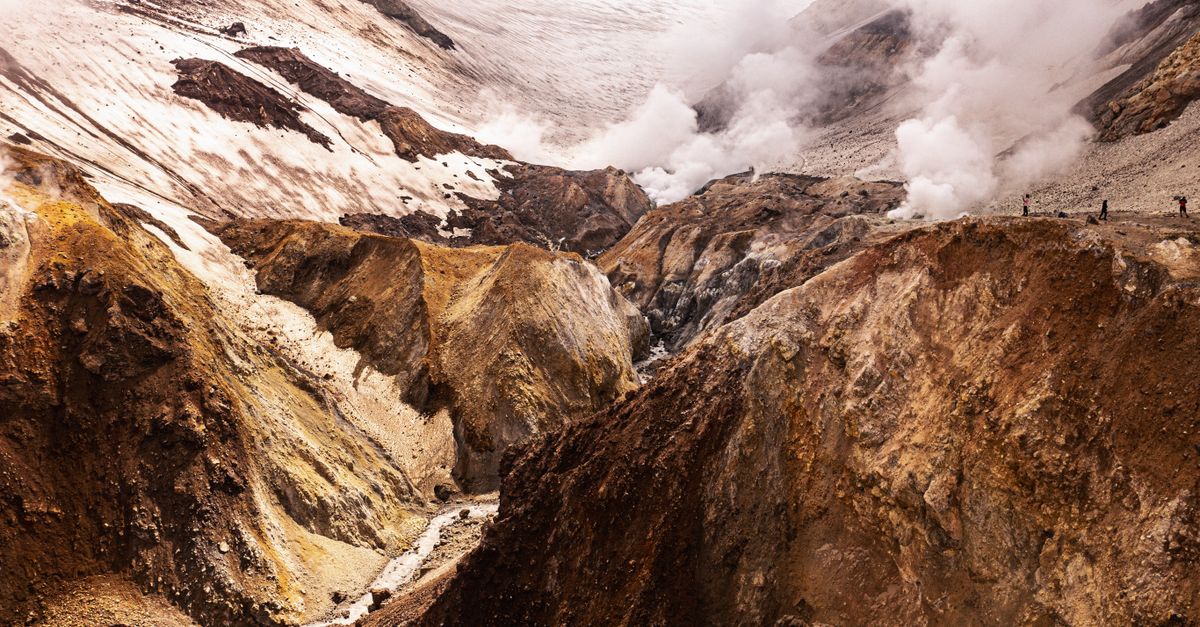
Volcanic air pollution poses significant health risks, warns the CDC, with respiratory issues being a primary concern.
Volcanic eruptions, while awe-inspiring natural events, pose serious health risks due to the air pollution they generate. The Centers for Disease Control and Prevention (CDC) has issued a detailed analysis on the health effects of volcanic air pollution, emphasizing the potential dangers to human respiratory health.
Health Risks from Volcanic Gases
Volcanic eruptions release a mixture of gases and particles into the atmosphere, including sulfur dioxide, carbon dioxide, and hydrogen sulfide. These gases can lead to a range of health issues, particularly affecting the respiratory system. Sulfur dioxide, in particular, can irritate the eyes, nose, throat, and lungs. Prolonged exposure can exacerbate conditions such as asthma and other chronic respiratory diseases.
The CDC notes that individuals with pre-existing respiratory conditions, children, and the elderly are most at risk. Inhaling volcanic gases can lead to shortness of breath, coughing, and in severe cases, lung damage. It's crucial for those living in proximity to active volcanoes to be aware of the symptoms and seek medical attention if they experience respiratory distress.
Particulate Matter and Its Effects
Aside from gases, volcanic eruptions also release fine particulate matter, known as volcanic ash. These tiny particles can travel significant distances from the eruption site, affecting air quality over large areas. When inhaled, volcanic ash can penetrate deep into the lungs, causing irritation and potentially leading to more serious health issues.
For communities near active volcanoes, the CDC advises wearing masks specifically designed to filter fine particles, staying indoors during ash fall, and using air purifiers to improve indoor air quality. The agency also recommends monitoring local air quality reports and adhering to any evacuation orders or health advisories issued by local authorities.
Precautionary Measures and Public Health Guidance
To mitigate the risks associated with volcanic air pollution, the CDC provides several precautionary measures. These include staying informed about volcanic activity, understanding evacuation routes, and having an emergency kit ready. The CDC also encourages communities to develop emergency plans that include provisions for vulnerable populations, such as the elderly and those with chronic health conditions.
Public health officials play a vital role in disseminating information and ensuring that communities have access to resources and support during volcanic events. By staying informed and prepared, individuals can reduce their risk of adverse health effects from volcanic air pollution.