
CDC Director Disputes Pennsylvania's Measles Death Report
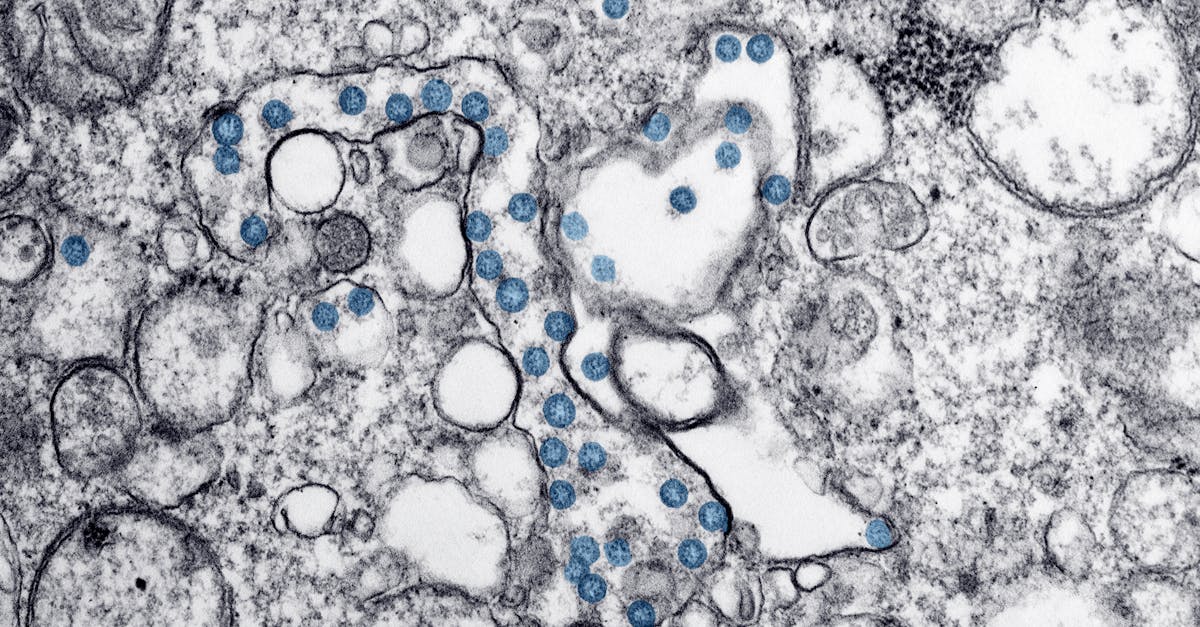
CDC Director disputes Pennsylvania's report of two measles deaths, highlighting tensions with state health agencies.
In a rare move, the Director of the Centers for Disease Control and Prevention (CDC) has publicly challenged a report from Pennsylvania that claims two deaths resulted from measles. This unusual step underscores ongoing tensions between the federal health agency and state governments, particularly under the Trump administration.
CDC Questions State Findings
The CDC, typically a supporter of state health departments, has taken the unusual step of questioning Pennsylvania's investigation into the reported measles fatalities. The agency has expressed concerns over the methodology and conclusions drawn by state health officials.
Pennsylvania’s health department reported the deaths earlier this month, suggesting they were linked to complications from measles. However, the CDC has raised doubts about the accuracy of these findings, citing the need for more comprehensive data and further investigation.
Federal-State Tensions
This incident is indicative of broader strains between the Trump administration and several state health departments over various health policy issues. The administration has frequently clashed with states on matters ranging from pandemic response to vaccine distribution strategies.
Health experts suggest that these disagreements may stem from differing priorities and approaches to public health, as well as a lack of trust between federal and state entities. The CDC's challenge to Pennsylvania's report is seen by some as a reflection of these underlying issues.
Implications for Public Health
The dispute has significant implications for public health policy and intergovernmental relations. It raises questions about the reliability of state-reported health data and the role of federal oversight in ensuring accurate public health information.
Experts warn that such disagreements can undermine public confidence in health authorities, especially at a time when trust is crucial for effective public health communication and compliance. The CDC has emphasized the importance of collaboration and transparency in resolving these issues.
As the situation develops, it remains to be seen how this challenge will affect the relationship between the CDC and state health departments, as well as the broader public health landscape in the United States. Stakeholders are closely watching for any changes in policy or practice that may arise from this dispute.