
Diseases & Conditions
102 posts · page 3 of 11
Male Pattern Baldness: Causes and Stages
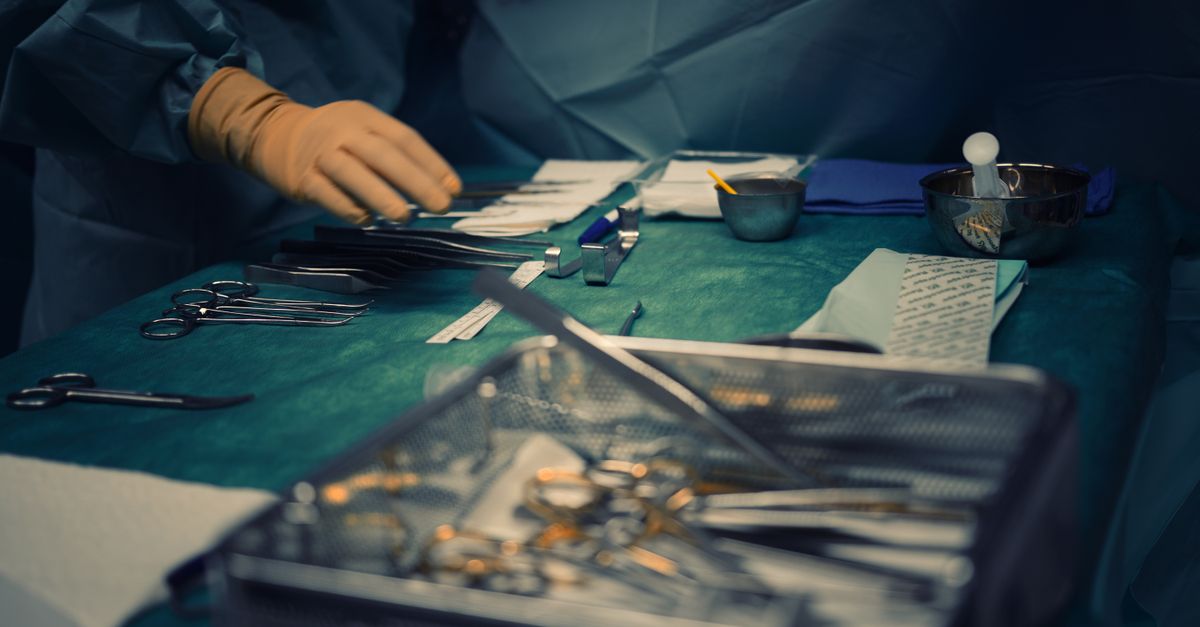
Male pattern baldness, clinically known as androgenetic alopecia, is a common form of hair loss that affects a significant proportion of men. The condition is primarily influenced by genetic predisposition and hormonal changes, particularly the action of dihydrotestosterone (DHT) on susceptible hair follicles. The progression typically follows distinct stages, as categorized by the Norwood scale. These stages range from minimal thinning at the temples to advanced balding on the crown and frontal areas. Understanding the causes and stages of male pattern baldness is crucial for effective management and treatment options, which may include medications, hair transplants, or lifestyle adjustments.
Is Hard Water Making You Go Bald?
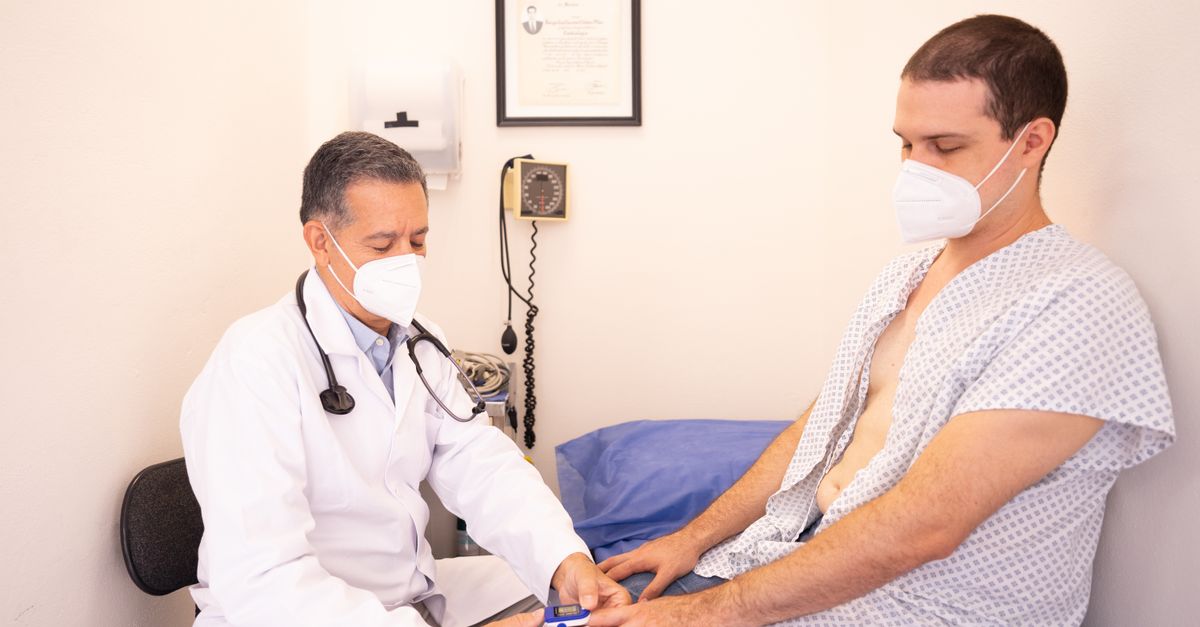
Hard water, characterized by high mineral content—particularly calcium and magnesium—has raised concerns about its impact on hair health, specifically regarding hair loss. Recent studies suggest that the minerals in hard water can lead to a buildup on the scalp, potentially clogging hair follicles and hindering growth. Moreover, the harsh nature of hard water can strip hair of its natural oils, resulting in dryness and brittleness, which may exacerbate hair thinning. While the relationship between hard water and baldness is not definitively established, individuals experiencing hair loss may benefit from water softening solutions or specialized hair care products to mitigate potential adverse effects.

Thinning at the Crown vs. Receding Hairline
Thinning at the crown and receding hairlines are common forms of hair loss that affect both men and women, but they manifest differently and may require distinct approaches to treatment. Thinning at the crown typically presents as a gradual reduction in density at the top of the head, often associated with androgenetic alopecia. In contrast, a receding hairline is characterized by a noticeable retreat of the hairline, usually beginning at the temples. While both conditions can stem from genetic factors, hormonal changes, and aging, understanding their differences is crucial for effective management. Treatments may include topical minoxidil, oral finasteride, or hair transplant procedures, tailored to the specific type of hair loss.
Is It Dandruff or Something More Serious?
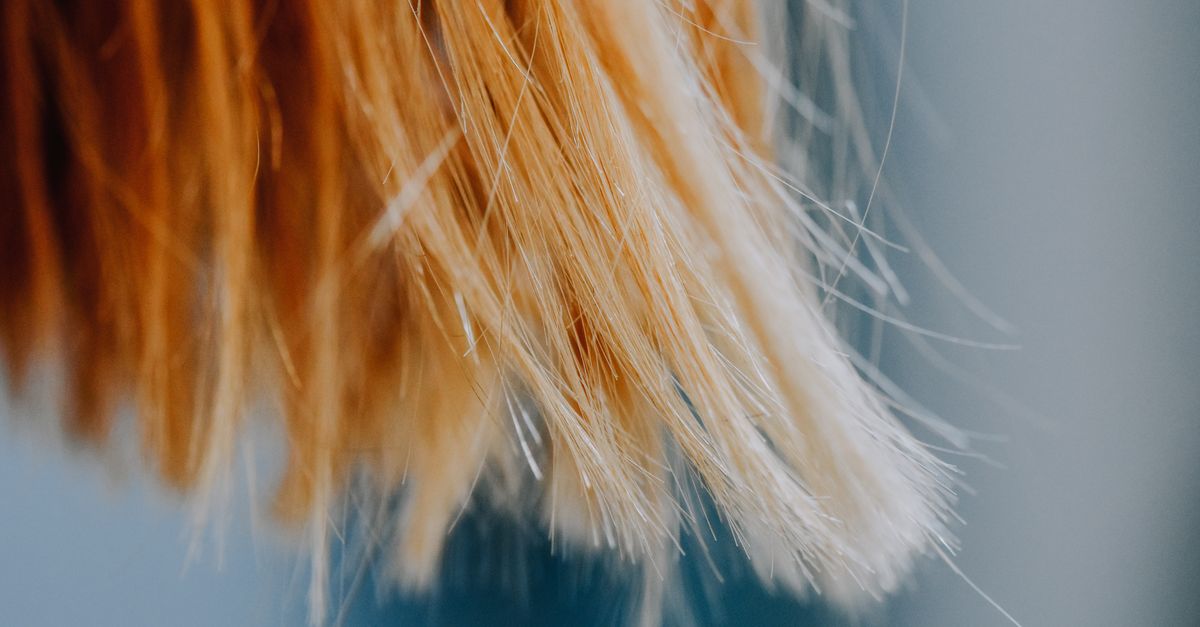
Dandruff is a common scalp condition characterized by flaking and itchiness, often exacerbated by factors such as dry skin, hormonal changes, or stress. However, distinguishing between dandruff and more serious conditions, such as seborrheic dermatitis or psoriasis, is crucial for proper treatment. Seborrheic dermatitis presents with more intense redness and greasy scales, while psoriasis may lead to thicker, silvery plaques. If over-the-counter treatments fail to alleviate symptoms or if the scalp exhibits significant inflammation or discomfort, seeking professional medical advice is essential for accurate diagnosis and effective management.
Scalp Psoriasis vs. Dandruff: What’s Causing Hair Fall?
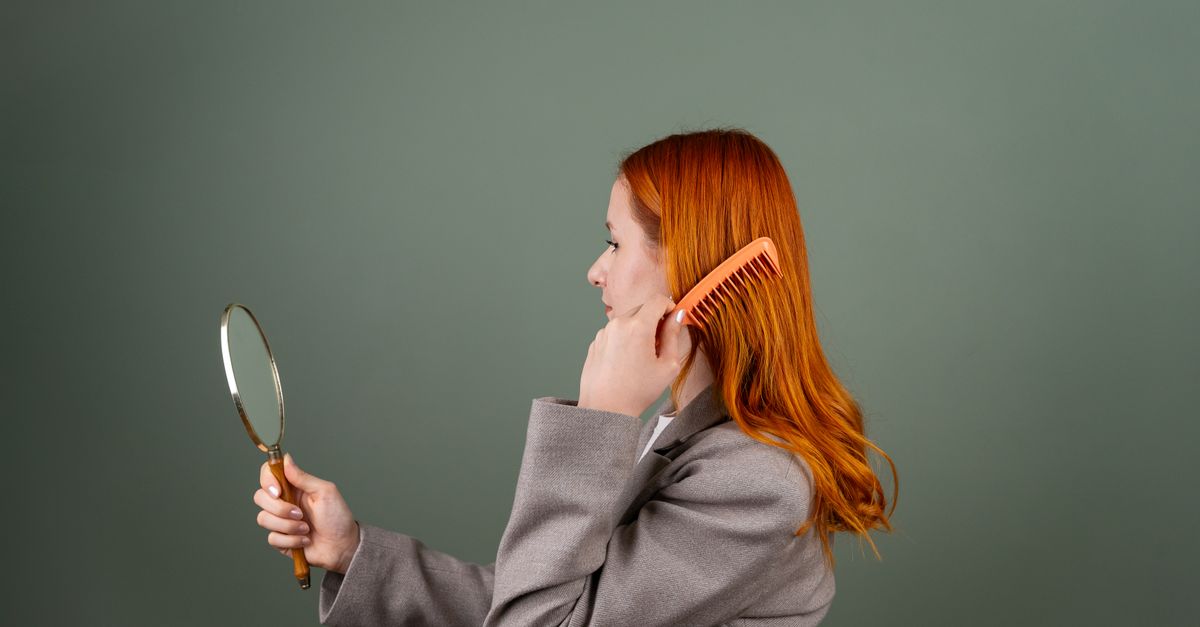
Scalp psoriasis and dandruff are two prevalent scalp conditions that often lead to hair fall, yet they stem from distinct causes and require different approaches for management. Scalp psoriasis is an autoimmune disorder characterized by red, scaly patches, often accompanied by inflammation and intense itching. In contrast, dandruff is primarily a result of excess oil production and an overgrowth of Malassezia yeast, leading to flaking and irritation. Understanding these differences is crucial for effective treatment. Addressing the underlying condition—whether through medicated shampoos, topical treatments, or lifestyle changes—can help mitigate hair loss and promote scalp health.

Traction Alopecia: Can Your Hairstyle Be the Problem?
Traction alopecia is a form of hair loss that occurs when prolonged tension is applied to the hair follicles, often resulting from certain hairstyles. Common culprits include tight ponytails, braids, and extensions, which can strain the hair and scalp, leading to inflammation and eventual follicular damage. This condition is particularly prevalent among individuals who frequently wear hair in styles that exert significant pulling force. Early recognition and intervention are crucial; modifying hair-care practices can halt progression and, in some cases, reverse the effects. Awareness of the potential risks associated with specific hairstyles is essential for preserving hair health.

Alopecia Areata: What It Is and How It Affects Men
Alopecia areata is an autoimmune condition characterized by sudden, patchy hair loss, which can significantly impact individuals, particularly men. This disorder occurs when the immune system mistakenly attacks hair follicles, leading to hair shedding. While the exact cause remains unclear, genetic predisposition and environmental triggers play a role. The condition can manifest at any age, often resulting in emotional distress and diminished self-esteem. Treatment options vary, including corticosteroids and topical immunotherapy, but efficacy may differ among individuals. Understanding alopecia areata is crucial for fostering empathy and support for those affected.
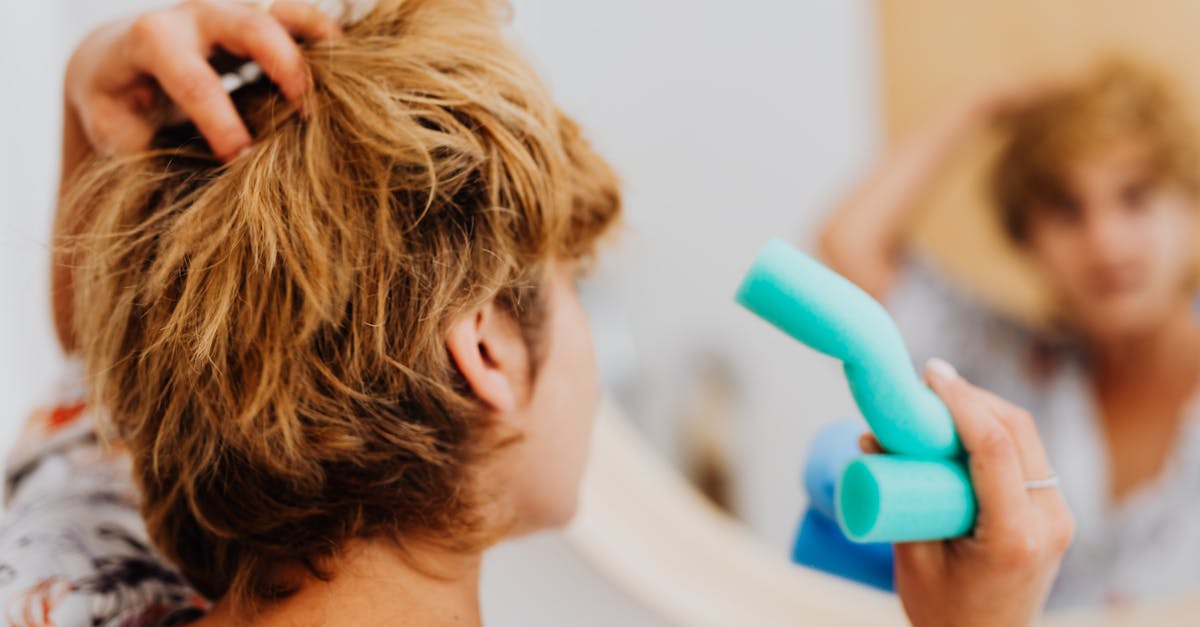
Hair Breakage vs. Hair Fall: Know the Difference
Hair breakage and hair fall are two prevalent concerns in hair health, yet they manifest through different mechanisms and require distinct approaches for resolution. Hair breakage occurs when the hair shaft becomes damaged, often due to factors such as excessive heat styling, chemical treatments, or environmental stressors, resulting in split ends and uneven lengths. Conversely, hair fall refers to the shedding of hair from the roots, which can be influenced by genetics, hormonal changes, or health conditions. Understanding these differences is essential for developing effective hair care routines and seeking appropriate treatments.

Can Fungal Infections Lead to Hair Loss?
Fungal infections can indeed contribute to hair loss, particularly when they affect the scalp. Conditions such as tinea capitis, commonly known as scalp ringworm, are caused by dermatophytes and can lead to inflammation, itching, and the eventual shedding of hair. These infections disrupt the normal hair growth cycle, often resulting in patchy baldness or more diffuse hair thinning. Early diagnosis and treatment are crucial; antifungal medications can effectively eliminate the underlying infection and promote hair regrowth. Understanding the relationship between fungal infections and hair loss is essential for effective management and prevention.

Why Are So Many Men in Their 20s Losing Hair?
In recent years, an increasing number of men in their 20s have reported experiencing hair loss, prompting concerns and inquiries about this unsettling trend. Various factors contribute to this phenomenon, including genetics, hormonal changes, and lifestyle choices. Androgenetic alopecia, commonly known as male pattern baldness, is primarily hereditary and can manifest in young adulthood. Additionally, stress, poor nutrition, and environmental factors may exacerbate hair thinning. Understanding these influences is crucial for early intervention and management, allowing affected individuals to explore treatment options and mitigate further loss.