
Diseases & Conditions
102 posts · page 2 of 5
Alopecia Areata: What It Is and How It Affects Men
Alopecia areata is an autoimmune condition characterized by sudden, patchy hair loss, which can significantly impact individuals, particularly men. This disorder occurs when the immune system mistakenly attacks hair follicles, leading to hair shedding. While the exact cause remains unclear, genetic predisposition and environmental triggers play a role. The condition can manifest at any age, often resulting in emotional distress and diminished self-esteem. Treatment options vary, including corticosteroids and topical immunotherapy, but efficacy may differ among individuals. Understanding alopecia areata is crucial for fostering empathy and support for those affected.
Scalp Psoriasis vs. Dandruff: What’s Causing Hair Fall?
Scalp psoriasis and dandruff are two prevalent scalp conditions that often lead to hair fall, yet they stem from distinct causes and require different approaches for management. Scalp psoriasis is an autoimmune disorder characterized by red, scaly patches, often accompanied by inflammation and intense itching. In contrast, dandruff is primarily a result of excess oil production and an overgrowth of Malassezia yeast, leading to flaking and irritation. Understanding these differences is crucial for effective treatment. Addressing the underlying condition—whether through medicated shampoos, topical treatments, or lifestyle changes—can help mitigate hair loss and promote scalp health.
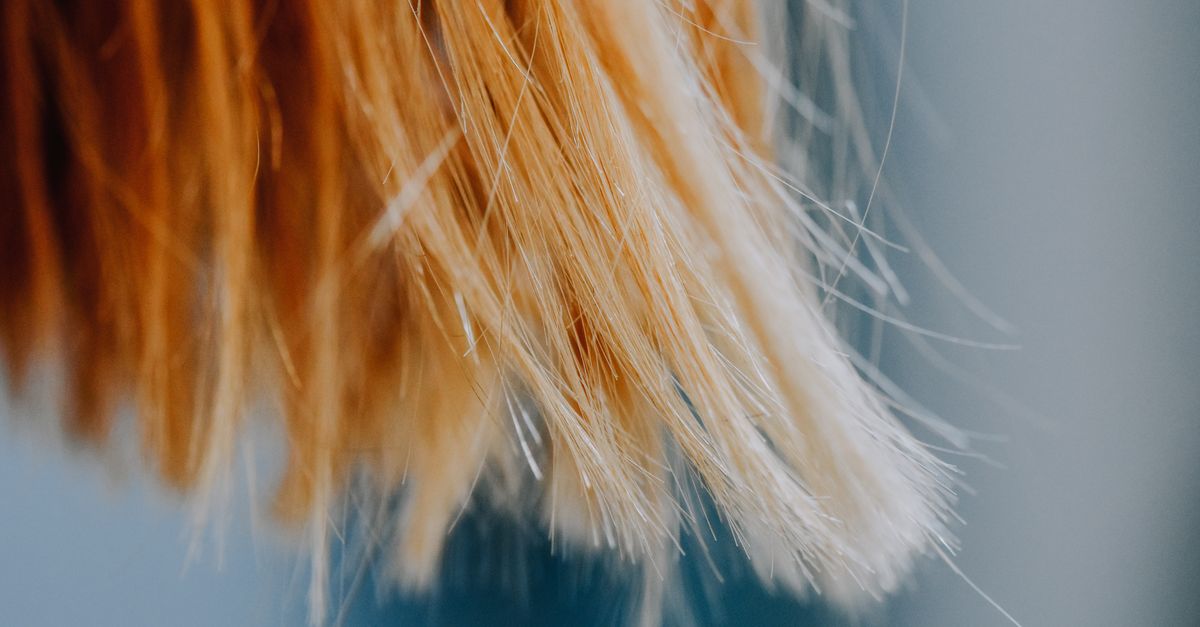
Is It Dandruff or Something More Serious?
Dandruff is a common scalp condition characterized by flaking and itchiness, often exacerbated by factors such as dry skin, hormonal changes, or stress. However, distinguishing between dandruff and more serious conditions, such as seborrheic dermatitis or psoriasis, is crucial for proper treatment. Seborrheic dermatitis presents with more intense redness and greasy scales, while psoriasis may lead to thicker, silvery plaques. If over-the-counter treatments fail to alleviate symptoms or if the scalp exhibits significant inflammation or discomfort, seeking professional medical advice is essential for accurate diagnosis and effective management.
Hair Breakage vs. Hair Fall: Know the Difference
Hair breakage and hair fall are two prevalent concerns in hair health, yet they manifest through different mechanisms and require distinct approaches for resolution. Hair breakage occurs when the hair shaft becomes damaged, often due to factors such as excessive heat styling, chemical treatments, or environmental stressors, resulting in split ends and uneven lengths. Conversely, hair fall refers to the shedding of hair from the roots, which can be influenced by genetics, hormonal changes, or health conditions. Understanding these differences is essential for developing effective hair care routines and seeking appropriate treatments.

Spot Baldness in Men: Signs and Remedies
Spot baldness, medically known as alopecia areata, is a common condition that affects many men, characterized by the sudden loss of hair in round patches. This autoimmune disorder occurs when the immune system mistakenly attacks hair follicles, leading to hair loss that can vary in severity. Key signs include smooth, circular bald spots on the scalp or other areas of the body. While the exact cause remains unclear, genetic predisposition and environmental triggers may play a role. Treatment options range from topical corticosteroids to immunotherapy, aimed at stimulating hair regrowth. Early intervention can improve outcomes, making awareness crucial for affected individuals.
Why Are So Many Men in Their 20s Losing Hair?
In recent years, an increasing number of men in their 20s have reported experiencing hair loss, prompting concerns and inquiries about this unsettling trend. Various factors contribute to this phenomenon, including genetics, hormonal changes, and lifestyle choices. Androgenetic alopecia, commonly known as male pattern baldness, is primarily hereditary and can manifest in young adulthood. Additionally, stress, poor nutrition, and environmental factors may exacerbate hair thinning. Understanding these influences is crucial for early intervention and management, allowing affected individuals to explore treatment options and mitigate further loss.

Is College Stress Causing Your Hair to Fall?
The correlation between college stress and hair loss is a topic of growing concern among students. High academic demands, social pressures, and financial worries can contribute to significant stress levels, which may trigger a condition known as telogen effluvium. This temporary hair loss occurs when stress pushes a large number of hair follicles into a resting phase, leading to increased shedding. While it is vital to address the underlying stressors through effective stress management techniques—such as mindfulness, exercise, and time management—consulting a healthcare professional is advisable if hair loss persists, ensuring a comprehensive approach to both mental health and physical well-being.

Can Early Hair Loss Be Reversed?
Early hair loss, often a distressing experience for many, raises the question of whether it can be effectively reversed. Scientific research indicates several potential approaches to mitigate or even reverse the effects of early hair thinning. Treatments such as minoxidil and finasteride have shown efficacy in stimulating hair regrowth in some individuals. Additionally, lifestyle modifications, including a balanced diet rich in vitamins and minerals, may support hair health. Emerging therapies, such as platelet-rich plasma (PRP) injections and low-level laser therapy, also offer promising results. However, it is crucial to consult with a healthcare professional for personalized advice and to determine the most appropriate course of action.

Can Fungal Infections Lead to Hair Loss?
Fungal infections can indeed contribute to hair loss, particularly when they affect the scalp. Conditions such as tinea capitis, commonly known as scalp ringworm, are caused by dermatophytes and can lead to inflammation, itching, and the eventual shedding of hair. These infections disrupt the normal hair growth cycle, often resulting in patchy baldness or more diffuse hair thinning. Early diagnosis and treatment are crucial; antifungal medications can effectively eliminate the underlying infection and promote hair regrowth. Understanding the relationship between fungal infections and hair loss is essential for effective management and prevention.
The Impact of Crash Dieting on Young Men’s Hair
Crash dieting, characterized by severe caloric restriction and rapid weight loss, can have profound effects on various bodily systems, including hair health. For young men, who may be particularly susceptible to societal pressures regarding body image, engaging in such extreme dieting practices can lead to notable hair-related issues. Nutrient deficiencies, particularly in proteins, vitamins, and minerals essential for hair growth, can result in conditions like telogen effluvium—temporary hair shedding triggered by stress or abrupt dietary changes. Moreover, hormonal fluctuations resulting from rapid weight loss can exacerbate hair thinning. Thus, it is imperative for young men to adopt balanced, sustainable eating habits to preserve their overall well-being, including hair vitality.

Does Wearing Helmets Lead to Hair Fall?
The relationship between helmet use and hair loss has garnered significant attention, particularly among motorcyclists and cyclists. While some individuals report increased hair fall when wearing helmets, scientific evidence does not conclusively support this claim. Helmets can cause friction and tension on the scalp, which may lead to traction alopecia, a condition characterized by hair loss resulting from persistent pulling. However, this is typically associated with prolonged, tight helmet use rather than casual wear. To mitigate potential hair issues, ensuring a proper fit and limiting helmet use to necessary situations is advisable. Regular scalp hygiene can also help maintain hair health.

Can Sleep Deprivation Make You Bald?
Sleep deprivation has increasingly been linked to various health issues, including potential effects on hair health. While the direct correlation between lack of sleep and baldness remains a subject of ongoing research, there are several mechanisms through which insufficient sleep may contribute to hair loss. Chronic sleep deprivation can lead to increased levels of stress hormones, such as cortisol, which have been shown to disrupt the hair growth cycle. Additionally, impaired sleep can hinder the body’s ability to repair and regenerate, potentially affecting hair follicles. As a result, prioritizing adequate sleep may be essential not only for overall well-being but also for maintaining healthy hair.

How Hormonal Imbalances in Your 20s Affect Hair
Hormonal imbalances in your 20s can significantly impact hair health, leading to issues such as thinning, excessive shedding, or changes in texture. During this developmental stage, fluctuations in hormones—particularly androgens like testosterone and estrogen—can disrupt the hair growth cycle. Conditions such as polycystic ovary syndrome (PCOS) may exacerbate these imbalances, resulting in increased hair loss. Additionally, stress and lifestyle choices can influence hormonal levels, further affecting hair vitality. Understanding these connections is crucial for addressing hair concerns and promoting a healthier scalp environment.
How Gym Supplements May Contribute to Balding
Recent studies have begun to explore the potential link between gym supplements and hair loss, specifically androgenetic alopecia, commonly known as male or female pattern baldness. Many fitness enthusiasts turn to supplements, such as anabolic steroids or testosterone boosters, to enhance muscle growth and performance. However, these substances can lead to hormonal imbalances that may accelerate hair thinning. Increased levels of dihydrotestosterone (DHT), a byproduct of testosterone, have been directly associated with the miniaturization of hair follicles. As awareness grows, individuals should consider the long-term effects of these supplements on their overall health, including hair vitality.

Does Masturbation Cause Hair Loss? Busting the Myth
The belief that masturbation causes hair loss is a prevalent myth that has persisted for decades, often rooted in misconceptions about human sexuality and health. Scientifically, there is no evidence to support a direct link between masturbation and hair loss. Hair loss, or androgenetic alopecia, is primarily influenced by genetic factors and hormonal changes, particularly dihydrotestosterone (DHT). While certain lifestyle choices can impact hair health, such as poor nutrition and stress, masturbation does not contribute to hair loss. Understanding the distinction between myth and fact is crucial for promoting a healthier perspective on sexual health.
Is Your Beard Growing but Not Your Scalp Hair?
The phenomenon of facial hair growth, particularly beard development, alongside a lack of scalp hair can be perplexing for many individuals. This condition may be attributed to a variety of factors, including hormonal imbalances, particularly involving dihydrotestosterone (DHT), a derivative of testosterone known to impact hair follicles differently across the body. Genetic predisposition also plays a significant role; certain individuals may inherit characteristics that promote beard growth while experiencing male or female pattern baldness. Understanding these dynamics is essential for those seeking solutions or wishing to comprehend their hair growth patterns comprehensively.
Can Eating Eggs Daily Help With Hair Regrowth?
Eggs are often hailed as a superfood due to their rich nutritional profile, which includes high-quality proteins, essential fatty acids, vitamins, and minerals. This makes them a potentially beneficial addition to diets aimed at promoting hair regrowth. Specifically, eggs are an excellent source of biotin, a B vitamin that plays a crucial role in keratin production, a key component of hair structure. Additionally, the presence of other nutrients such as zinc and selenium further supports hair health. However, while incorporating eggs into a balanced diet may enhance hair strength and growth, individual results can vary, and further research is necessary to establish definitive connections.
Best Indian Foods for Healthy Hair
Healthy hair is often a reflection of a balanced diet, and Indian cuisine offers a plethora of nutrient-rich foods that promote hair health. Key ingredients include **fenugreek seeds**, known for their high protein and nicotinic acid content, which can strengthen hair follicles. **Curry leaves**, rich in antioxidants and vitamins A and C, aid in preventing hair loss and enhancing growth. Additionally, **amla**, or Indian gooseberry, is renowned for its high vitamin C content, which helps in collagen production, essential for hair strength. Incorporating these foods into a balanced diet can significantly improve hair vitality and prevent damage.

Are Protein Shakes Causing Hair Loss?
The relationship between protein shakes and hair loss has garnered significant attention in recent years, prompting many to investigate whether these popular supplements contribute to alopecia. Protein is essential for hair growth, as it provides the necessary amino acids that form the building blocks of keratin, a key protein in hair structure. However, excessive protein intake, particularly from concentrated sources such as protein shakes, may lead to nutritional imbalances. Furthermore, certain ingredients in these shakes, such as high levels of biotin or artificial additives, could potentially disrupt hormonal levels or scalp health, indirectly influencing hair vitality. Therefore, moderation and balanced nutrition are crucial for maintaining healthy hair.

The Role of Biotin in Hair Health
Biotin, also known as vitamin B7, plays a crucial role in maintaining healthy hair. This water-soluble vitamin is essential for the synthesis of keratin, a key structural protein that composes hair, skin, and nails. Biotin contributes to the overall strength and elasticity of hair, potentially reducing brittleness and breakage. Deficiencies in biotin can lead to hair thinning and loss, emphasizing its importance in a balanced diet. Although biotin supplementation has gained popularity for promoting hair growth, it is vital to consult healthcare professionals to determine individual needs and avoid excess intake.

How to Build a Hair-Friendly Diet Plan
A well-structured diet can significantly enhance hair health, promoting growth and preventing damage. To build a hair-friendly diet plan, prioritize foods rich in essential nutrients. Incorporate proteins such as lean meats, fish, legumes, and dairy, as they provide the building blocks for hair structure. Omega-3 fatty acids, found in fish, flaxseeds, and walnuts, aid in scalp health. Additionally, vitamins A, C, D, and E, alongside biotin and zinc, are crucial for maintaining vibrant hair. Hydration is equally important; aim for at least eight glasses of water daily to support overall health and ensure your hair remains nourished and resilient.

Essential Vitamins and Minerals for Hair Growth
Proper nutrition plays a crucial role in promoting healthy hair growth, with essential vitamins and minerals acting as pivotal contributors. Biotin, a B-vitamin, is particularly important, as it enhances follicle strength and prevents hair thinning. Vitamin D is also vital, as it supports the hair growth cycle and may help combat hair loss. Additionally, iron is essential for oxygen transportation to hair follicles, while zinc aids in tissue growth and repair. Omega-3 fatty acids provide necessary nutrients that nourish the scalp. Incorporating these nutrients into one’s diet can significantly enhance hair vitality and overall health.

Coconut Oil vs. Onion Oil: What Works Better?
Coconut oil and onion oil are two natural products frequently touted for their benefits in hair care, but their effectiveness can vary based on individual needs and hair types. Coconut oil, rich in medium-chain fatty acids, is known for its deep moisturizing properties, helping to reduce protein loss in hair and enhance shine. In contrast, onion oil is celebrated for its high antioxidant content and sulfur compounds, which may promote hair growth and reduce hair fall by improving blood circulation to the scalp. Understanding the unique properties of each oil can help consumers make informed choices tailored to their hair health goals.
Best Ayurvedic Herbs to Include in Your Diet for Hair
Incorporating Ayurvedic herbs into your diet can significantly enhance hair health, promoting growth and vitality. One of the most renowned herbs is Amla (Indian Gooseberry), rich in vitamin C and antioxidants, which strengthens hair follicles and prevents premature graying. Another powerful herb is Bhringraj (Eclipta alba), known for its ability to stimulate hair growth and improve scalp circulation. Ashwagandha, an adaptogenic herb, helps reduce stress-related hair loss by balancing hormones. Lastly, Neem possesses antimicrobial properties that combat dandruff and scalp infections. Together, these herbs offer a holistic approach to achieving lustrous, healthy hair.