
Caring for Homeless Americans: Addressing Chronic Diseases
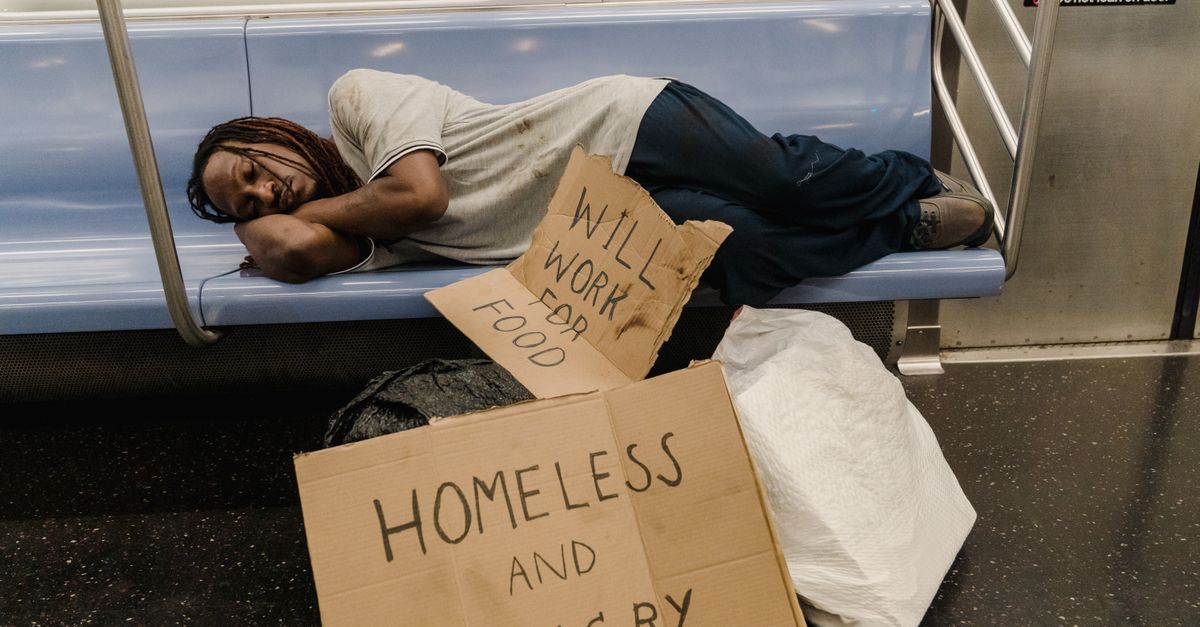
Homeless Americans face unique barriers in chronic disease care, demanding targeted healthcare strategies and policy reforms.
In the United States, the challenge of providing healthcare to the homeless population is both a humanitarian and a systemic issue. Chronic diseases like diabetes, hypertension, and mental health disorders are prevalent among those experiencing homelessness or housing insecurity, yet this group faces significant barriers to accessing consistent and comprehensive care. According to the CDC, the lack of stable housing exacerbates these conditions, making effective management nearly impossible without targeted interventions.
Barriers Compounding Chronic Disease Management
Homeless individuals often lack access to basic healthcare services, let alone specialized chronic disease management. The absence of a permanent address makes it challenging to maintain a medical home, which is crucial for continuous care. Moreover, the stigma associated with homelessness can discourage individuals from seeking help. The 2022 HHS report highlighted that transportation barriers, financial constraints, and a lack of insurance coverage further complicate access to necessary medications and regular check-ups.
Innovative Approaches to Outreach and Care
Some healthcare providers are developing innovative models to reach this vulnerable population. Mobile health clinics, supported by organizations like the National Health Care for the Homeless Council, bring medical services directly to individuals on the streets, providing acute care and chronic disease management. These mobile units often work in collaboration with local shelters and community centers, ensuring that services are accessible where the need is greatest.
The use of telehealth has also shown promise. Despite the barriers, some homeless individuals can access virtual care through partnerships with shelters that offer digital resources. This is particularly important for mental health services, where continuity of care is critical. The CMS has expanded telehealth reimbursements, encouraging more providers to offer remote services to the homeless.
Policy Changes and Support Systems
Federal and state policies play a crucial role in shaping the healthcare landscape for homeless individuals. The Affordable Care Act (ACA) significantly expanded Medicaid, covering more low-income adults, including many who are homeless. However, gaps remain, particularly in non-expansion states. Advocacy groups are pushing for policies that address these disparities and increase funding for targeted healthcare services.
The National Alliance to End Homelessness advocates for integrated care models that combine housing with health services. Programs like Housing First, which prioritize stable housing as a primary intervention, have shown success in improving health outcomes by providing a foundation for accessing regular medical care.
Healthcare Systems and Community Collaboration
Hospitals and healthcare systems are increasingly recognizing the importance of community partnerships in addressing the health needs of the homeless. Collaborative efforts with local governments, nonprofit organizations, and social services can create a network of support that addresses both medical and social determinants of health. For instance, the Boston Health Care for the Homeless Program offers a comprehensive model, integrating medical care with housing and social support.
Moreover, pharmaceutical companies are beginning to contribute by providing medication assistance programs that ensure access to necessary drugs for chronic conditions. These collaborations are crucial in bridging the gap between healthcare services and the homeless population.
As healthcare systems continue to adapt, the focus must remain on creating sustainable and inclusive models of care. Addressing the needs of homeless individuals with chronic diseases requires a multi-faceted approach, combining policy reform, community engagement, and innovative healthcare delivery. "We cannot solve homelessness without addressing health," says Dr. Jim O’Connell, President of the Boston Health Care for the Homeless Program. This sentiment underscores the need for a comprehensive strategy that prioritizes both housing and health.