
Bridging the Women's Health Gap: Strategies for Equitable Care
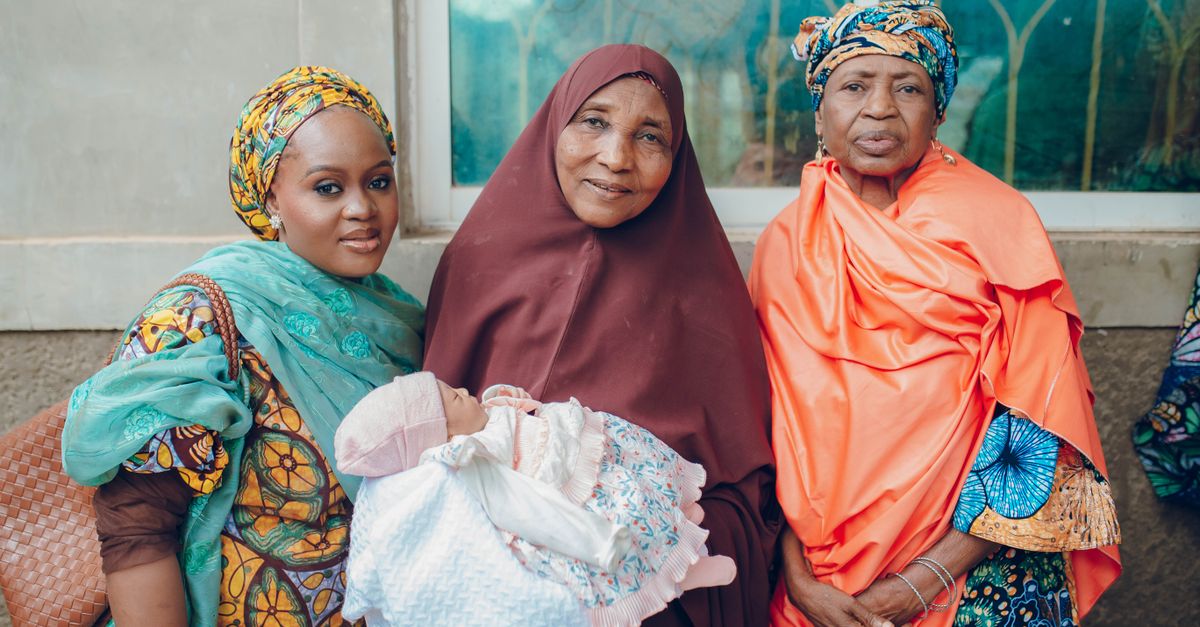
Addressing disparities in women's healthcare requires targeted strategies and policy changes.
The persistent gap in women's healthcare is a pressing issue that demands urgent attention. Despite advancements in medical science, women continue to face significant disparities in access to and quality of healthcare services. This gap is evident in various areas, including reproductive health, chronic disease management, and mental health support.
Understanding the Scope of the Gap
Statistics reveal that women are often underrepresented in clinical trials, leading to a lack of gender-specific data that can inform effective treatments. For instance, many cardiovascular studies predominantly involve male participants, despite heart disease being a leading cause of death among women. This underrepresentation contributes to diagnostic and treatment gaps that can have severe consequences for women's health.
Moreover, social and economic factors exacerbate these disparities. Women frequently encounter barriers such as lower income, caregiving responsibilities, and limited access to healthcare facilities, which can hinder their ability to seek timely medical attention.
Policy Changes and Education as Solutions
Closing the women's health gap requires comprehensive policy reforms. Governments and healthcare organizations must prioritize gender equity in health policies, ensuring that women receive equitable healthcare services. This includes increasing funding for women's health research and mandating gender balance in clinical trials.
Education also plays a crucial role. Raising awareness about women's health issues among healthcare providers and the public can lead to better recognition and treatment of conditions that disproportionately affect women. Implementing training programs that emphasize gender-sensitive care is essential for healthcare professionals.
The Role of Technology and Innovation
Technological advancements offer promising solutions to bridge the health gap. Digital health platforms and telemedicine can enhance access to healthcare for women in remote or underserved areas. These technologies allow for convenient consultations and monitoring, reducing the need for physical visits and overcoming geographical barriers.
Additionally, data analytics can help identify trends and disparities in women's health, enabling more targeted interventions. By leveraging technology, healthcare systems can provide personalized care that addresses the unique needs of women.
Community and Global Efforts
Community-based initiatives are vital in addressing local health disparities. Programs that engage women in health education and advocacy can empower them to take charge of their health. Collaborations between governments, non-profits, and the private sector can drive these efforts, ensuring that resources are effectively allocated to areas of greatest need.
On a global scale, international organizations must work together to establish standards and share best practices for women's healthcare. Cross-border collaborations can lead to innovative solutions and accelerate progress in closing the health gap.
Addressing the women’s health gap is a complex challenge that requires a multifaceted approach. By implementing targeted strategies in policy, education, technology, and community engagement, we can move towards a future where equitable healthcare is a reality for all women.