
Bridging the Gap: Gender Disparities in Chronic Disease Care
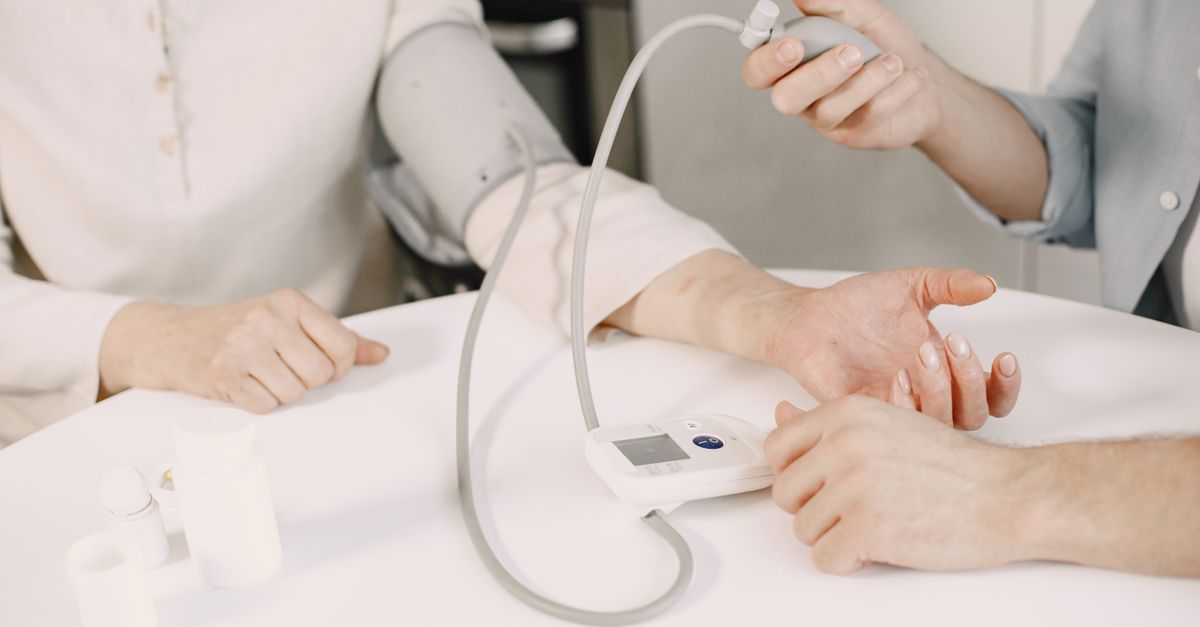
Despite medical advances, gender disparities persist in chronic disease diagnosis and treatment, affecting women's health outcomes significantly.
Despite decades of medical advancements, gender disparities in the diagnosis and treatment of chronic diseases continue to persist, often to the detriment of women's health outcomes. Women are more likely to be misdiagnosed, underdiagnosed, or receive delayed treatment in comparison to men. This ongoing inequality not only impacts the quality of life for millions of women but also places a significant strain on healthcare systems.
Why Heart Disease Often Goes Unnoticed in Women
Heart disease is frequently perceived as a predominantly male condition, yet it remains the leading cause of death for women in the United States. The symptoms of heart disease in women can differ significantly from those in men, often presenting as nausea, fatigue, or shortness of breath rather than the classic chest pain typically associated with heart attacks. This divergence in symptomatology leads to frequent misdiagnoses or dismissals as anxiety or stress-related conditions.
A study published by the American Heart Association found that women are 50% more likely than men to be initially misdiagnosed following a heart attack. This critical delay in correct diagnosis can have devastating consequences, emphasizing the need for increased awareness and education among healthcare providers regarding gender-specific symptoms.
Autoimmune Disorders: A Gendered Predisposition
Autoimmune disorders, such as lupus and rheumatoid arthritis, are disproportionately diagnosed in women, who account for nearly 80% of all cases. Despite this overwhelming prevalence, research into autoimmune conditions has historically been underfunded and understudied. This lack of focus has resulted in a gap in effective treatment protocols specifically tailored for women.
The reasons for these gender disparities are complex and multifactorial. Biological differences, including hormonal influences, play a significant role, but so do social and cultural factors. Women often encounter skepticism when reporting symptoms, which can delay diagnosis and treatment. Additionally, the traditional male-dominated focus of clinical trials has left a void in understanding how treatments affect women differently.
Diabetes: The Overshadowed Gender Differences
While both men and women are affected by diabetes, women with diabetes face higher risks of heart disease than men with the same condition. Moreover, women with diabetes often experience more severe symptoms and are at a higher risk of developing complications such as kidney disease and blindness.
Despite these facts, there remains a significant lack of awareness about how diabetes impacts women differently. This oversight is partly due to a historical focus on diabetes research among male populations, leading to a shortfall in gender-specific medical guidelines and treatments. Addressing these disparities requires a concerted effort to include more women in clinical research and to develop treatment plans that account for gender differences.
Moving Towards Equitable Healthcare
Efforts to bridge the gender gap in chronic disease care must start with education and awareness. Healthcare providers need training to recognize gender-specific symptoms and to approach diagnosis with an understanding of these differences. Additionally, there is a pressing need for more inclusive research that prioritizes gender-specific studies and trials.
Policymakers and healthcare institutions must advocate for funding and resources dedicated to understanding and addressing the unique challenges women face in chronic disease management. By shifting the narrative and focusing on equitable healthcare, we can improve outcomes for women and ensure that they receive the care they deserve.
As Dr. Rita Redberg, a cardiologist and professor, aptly puts it, "We must transform our approach to women's health from one of adaptation of male-centered protocols to one that genuinely recognizes and responds to the unique health needs of women." The road to closing the gender gap in chronic disease care is long, but with persistent effort and commitment, it is a journey that promises to enhance the lives of millions.