
Bridging Los Angeles' Healthcare Access Gaps in Low-Income Areas
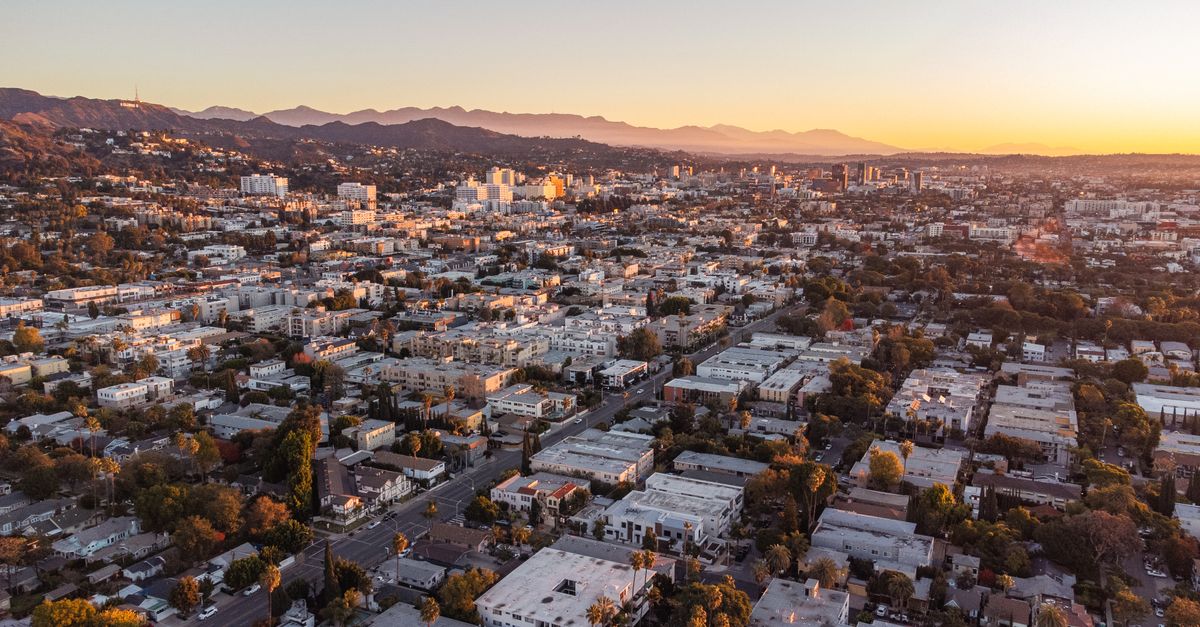
Los Angeles faces profound healthcare access disparities, particularly affecting low-income neighborhoods. Addressing these gaps is crucial for equitable care.
Los Angeles, the sprawling metropolis known for its diversity and vibrant culture, is also a city of stark contrasts when it comes to healthcare access. In neighborhoods like South Los Angeles and East LA, healthcare services remain a luxury rather than a necessity, highlighting significant disparities that demand immediate attention.
Healthcare Deserts in a City of Abundance
Despite the presence of world-renowned medical centers, many low-income areas in Los Angeles are classified as 'healthcare deserts'. A 2022 report from the Centers for Disease Control and Prevention (CDC) revealed that residents in these neighborhoods face longer travel times to access primary care, with some areas having as few as one primary care physician per 10,000 residents. This shortage is compounded by a lack of specialists and facilities, forcing residents to delay or forego necessary care.
The Crucial Role of Federally Qualified Health Centers
Federally Qualified Health Centers (FQHCs) have emerged as vital lifelines in these underserved areas. Organizations like the Department of Health and Human Services (HHS) support these centers, providing essential primary care services to those on Medicaid or uninsured. Yet, funding constraints and staffing shortages often limit their capacity to meet the overwhelming demand. The Affordable Care Act (ACA) initially bolstered funding, but recent political shifts have placed this support in jeopardy.
Transportation Barriers Amplify Inequities
Transportation remains a significant barrier, with public transit options often inadequate for those needing frequent medical visits. The Los Angeles County Metropolitan Transportation Authority has made strides in improving connectivity, but many low-income residents still face hour-long commutes to access care. This challenge disproportionately affects elderly and disabled individuals who rely on limited mobility services.
Telehealth: A Double-Edged Sword
Telehealth emerged as a promising solution during the COVID-19 pandemic, offering remote consultations that circumvent transportation issues. However, the digital divide presents a new challenge. According to a 2023 study by the National Institutes of Health (NIH), nearly 25% of households in low-income LA neighborhoods lack reliable internet access, rendering telehealth services inaccessible to many who could benefit the most.
Policies and Initiatives on the Horizon
Addressing these gaps requires multifaceted solutions. Recent initiatives like California's CalAIM program aim to integrate health and social services, providing a more holistic approach to healthcare delivery. Additionally, local advocacy groups are calling for increased state and federal funding to expand the reach and capacity of FQHCs.
The city is also exploring public-private partnerships to enhance healthcare infrastructure in underserved areas. These collaborations could leverage the resources of Los Angeles' robust healthcare industry to create more equitable access.
As these efforts unfold, the question remains whether they will be sufficient to dismantle the entrenched barriers that have long plagued Los Angeles' low-income neighborhoods. The road to healthcare equity is complex and requires sustained commitment from policymakers, healthcare providers, and the community.
"Equitable healthcare access is not just a moral imperative; it’s a fundamental right," says Dr. Maria Gonzalez, a primary care physician working in South LA. Her words echo a growing consensus: bridging these gaps is essential for a healthier, more equitable Los Angeles.