
Breaking Barriers: Disability Healthcare Access in India
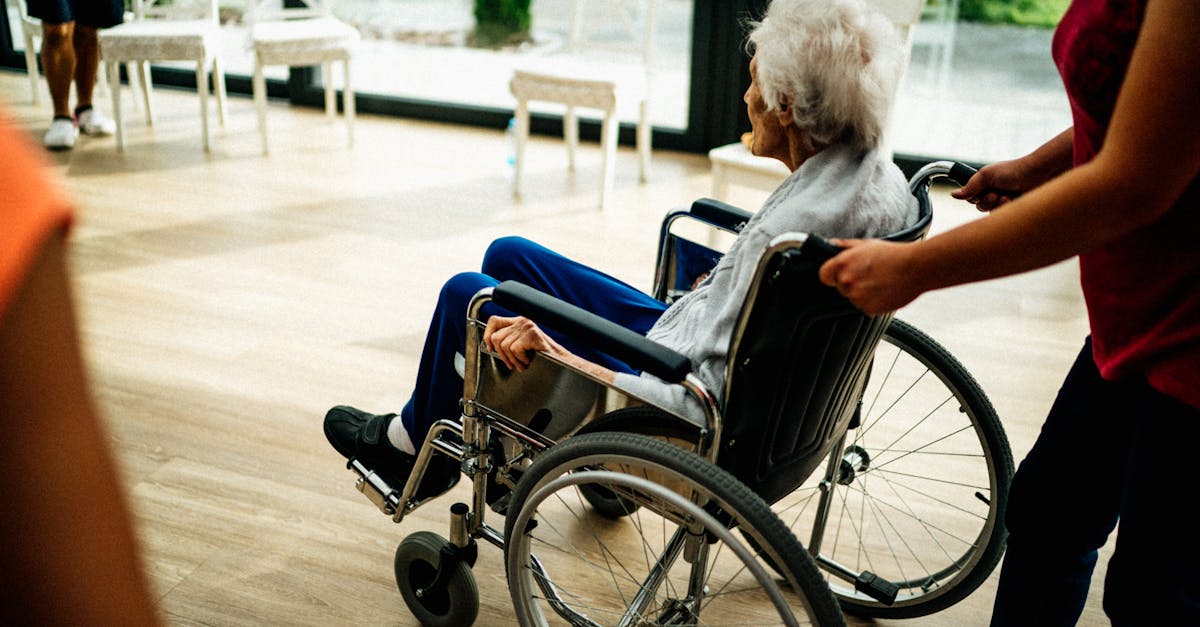
India's healthcare system faces challenges in accessibility for individuals with disabilities, highlighting a need for inclusive policies and infrastructure.
In India, where the healthcare system is already under considerable strain, accessibility for people with disabilities remains an overlooked issue. Despite the implementation of several policies, the on-ground reality reveals substantial gaps that hinder equitable healthcare access for this vulnerable group.
Legal Frameworks and Their Limitations
The Rights of Persons with Disabilities Act (RPWD), enacted in 2016, was a milestone intended to safeguard and promote the rights of individuals with disabilities. This legislation mandates inclusive healthcare services, aiming to ensure that disability is not a barrier to medical care. However, the act’s aspirations are often thwarted by inadequate infrastructure and insufficient implementation at the local level.
For instance, many healthcare facilities lack basic accessibility features like ramps, accessible toilets, and tactile flooring for visually impaired individuals. This inadequacy is not just a violation of the law but also a stark reminder of the systemic neglect faced by people with disabilities. Moreover, while the law mandates training for healthcare professionals, the reality is that few receive adequate instruction on handling patients with specific needs.
Challenges in Rural and Urban Areas
While urban areas have made some strides towards inclusivity, rural regions continue to face significant challenges. In villages, healthcare centers are often distant, making travel arduous for those with mobility issues. Public transportation, too, is generally inaccessible, compounding the difficulties faced by individuals with disabilities.
In cities, although some hospitals have adapted to be more disability-friendly, the demand far exceeds the available resources. The disparity in healthcare quality between urban and rural settings exacerbates the struggle for equitable access to healthcare services. Urban centers may provide some advanced care options, but these are often unaffordable for many, pushing people with disabilities into a cycle of poverty and poor health.
Innovations and Initiatives on the Horizon
Despite these challenges, there are innovative solutions emerging across the country. Several startups are focusing on digital health platforms to bridge the gap in healthcare accessibility. For instance, telemedicine services are increasingly being used to reach those in remote areas, offering consultations and follow-up care without the need for travel.
In addition, non-governmental organizations are playing a crucial role in advocating for better policies and practices. These organizations are pushing for more robust data collection on disability, which is essential for creating targeted healthcare programs. Furthermore, grassroots initiatives are being launched to train healthcare workers in disability competence, which could enhance service delivery significantly.
The Role of Technology in Transforming Access
Technology could be a game-changer in improving healthcare accessibility for people with disabilities in India. Mobile applications that provide information on accessible healthcare facilities, digital platforms for booking appointments, and AI-driven tools for personalized care are slowly gaining traction. These technologies not only make healthcare more accessible but also empower individuals with disabilities to take charge of their health outcomes.
Moreover, the government's Digital India initiative offers a promising framework for integrating technology into healthcare. However, for these technological solutions to be truly effective, they must be designed with inclusivity in mind, ensuring that they are accessible to individuals with diverse disabilities.
The Path Forward: Policy and Community Engagement
To enhance healthcare accessibility for people with disabilities, India must undertake a multi-faceted approach. Policymakers need to ensure that existing laws are not only enforced but also expanded to cover emerging needs. Infrastructure improvements must go hand in hand with policy reforms to create a truly inclusive healthcare environment.
Community engagement is also vital. By involving people with disabilities in the planning and execution of healthcare policies and programs, India can ensure that their voices are heard and their needs met. As one activist stated, "True accessibility comes from understanding and addressing the unique challenges faced by individuals." This collaborative approach could pave the way for a more inclusive and equitable healthcare system.