
Bone Marrow Transplants: A Lifeline for Leukemia Patients
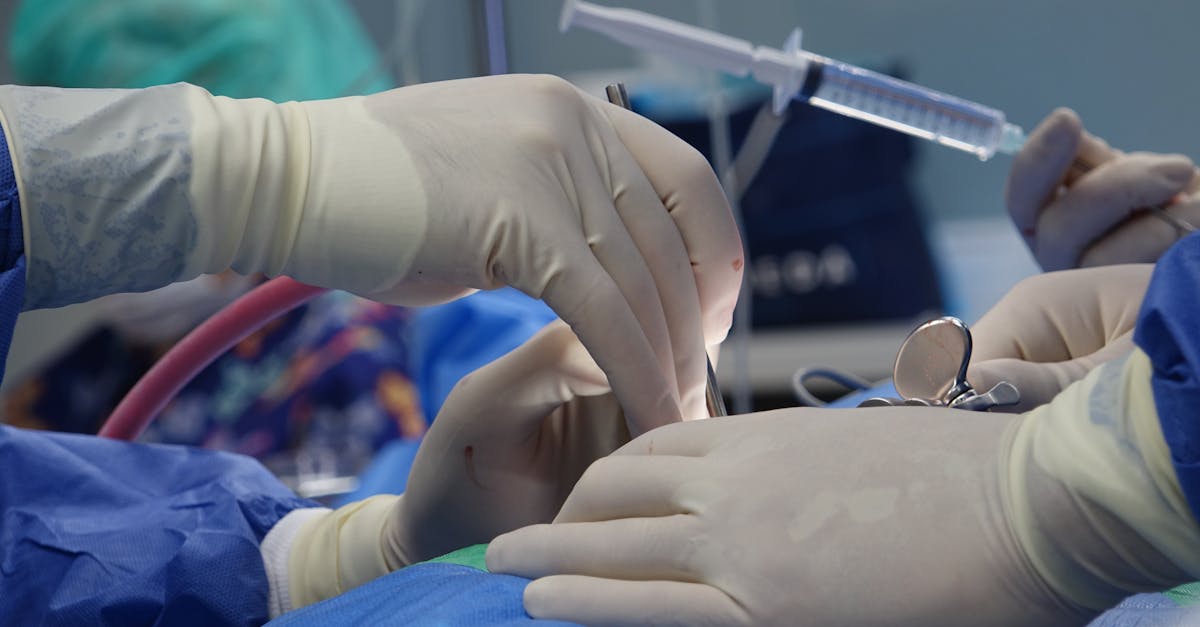
Bone marrow transplants offer hope for leukemia treatment, replacing diseased cells with healthy ones.
Bone marrow transplants have emerged as a critical treatment for leukemia, providing a potential cure by replacing diseased blood cells with healthy ones. This procedure involves the transplantation of hematopoietic stem cells, which are responsible for producing blood cells, from a donor to a patient whose bone marrow has been compromised by leukemia.
Understanding Leukemia and Its Challenges
Leukemia is a type of cancer that affects blood-forming tissues, including the bone marrow and lymphatic system. It leads to the production of abnormal white blood cells, which crowd out healthy cells and impair the body's ability to fight infections. Traditional treatments, such as chemotherapy and radiation, aim to destroy these malignant cells but can also damage the bone marrow.
For patients whose leukemia does not respond to standard therapies, or for those who experience a relapse, bone marrow transplants offer a viable alternative. The transplant not only replaces the damaged marrow but also restores the body’s capacity to produce healthy blood cells.
The Transplant Process
The procedure begins with finding a compatible donor, often a close relative, although unrelated donors or umbilical cord blood may also be used. The donor’s stem cells are collected from either the bone marrow or the bloodstream. Prior to receiving the transplant, patients typically undergo high-dose chemotherapy or radiation to eradicate their diseased bone marrow.
Once the patient's marrow is depleted, the collected stem cells are infused into their bloodstream. These cells home to the bone marrow, where they begin to generate new, healthy blood cells. This regeneration process can take several weeks, during which patients are closely monitored for complications such as infections or graft-versus-host disease, a condition where the donor cells attack the recipient’s body.
Success Rates and Risks
Bone marrow transplants have shown promising success rates, especially for younger patients and those in the early stages of leukemia. However, the procedure is not without risks. Complications can arise from the immune response, infections, and the rigorous pre-transplant treatments. Despite these risks, advancements in medical protocols and post-transplant care have improved outcomes significantly.
Successful transplants can lead to long-term remission, offering patients a new lease on life. Researchers continue to explore ways to enhance the safety and effectiveness of bone marrow transplants, including the use of reduced-intensity conditioning regimens and improved donor matching techniques.
The Future of Leukemia Treatment
While bone marrow transplants remain a cornerstone in leukemia treatment, ongoing research is focused on developing less invasive therapies and improving patient outcomes. Innovations such as targeted therapies and immunotherapies are being integrated with transplant protocols to enhance efficacy and reduce side effects.
As science progresses, bone marrow transplants will likely become even more refined, providing hope for many patients battling leukemia. The commitment to research and development in this field continues to drive improvements in survival rates and quality of life for those affected by this challenging disease.