
Bone Marrow Transplant Offers New Hope for Thalassemia Patients
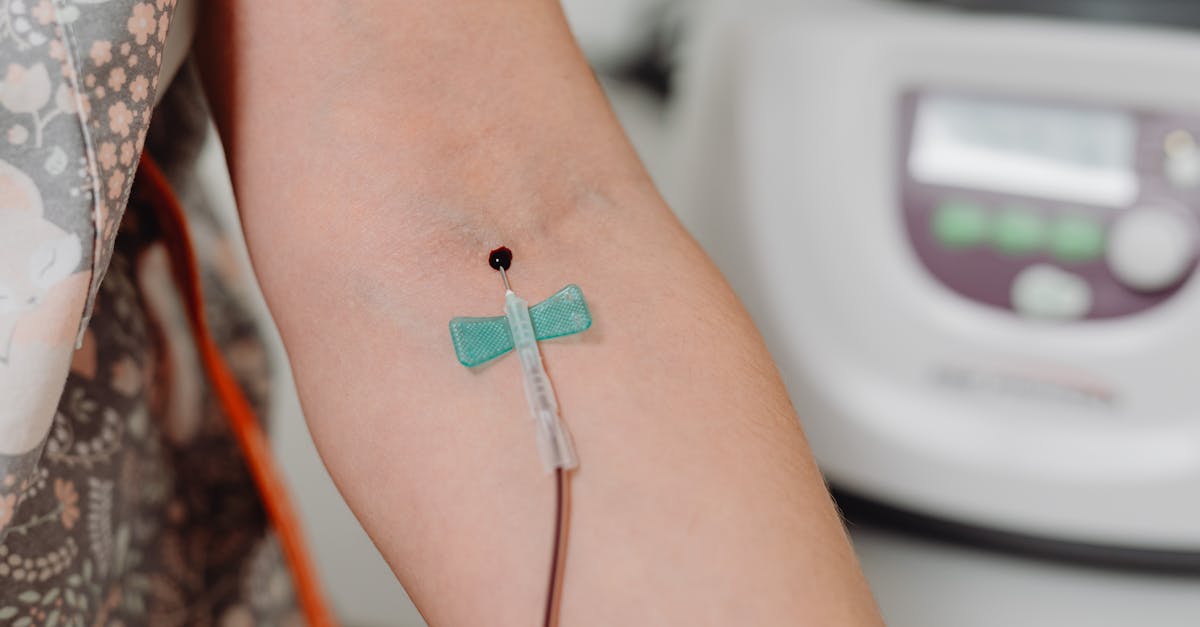
Bone marrow transplants are emerging as a transformative treatment for thalassemia, offering potential for a cure.
Bone marrow transplants have long been considered the cornerstone of treatment for various blood disorders. Now, they are emerging as a beacon of hope for patients with thalassemia, a genetic blood disorder that affects hemoglobin production. This complex procedure is not just another treatment in the spectrum; it represents a potential cure, shifting how we address this chronic condition.
The Burden of Thalassemia
Thalassemia is a group of inherited blood disorders characterized by the body’s inability to produce adequate hemoglobin, leading to anemia and other severe health complications. According to the World Health Organization, approximately 4.4 out of every 10,000 live births worldwide are affected by thalassemia. Patients often require lifelong blood transfusions, which carry risks of iron overload and other complications.
In countries like India and Thailand, where the prevalence of thalassemia is higher, the economic and health burden is immense. Regular transfusions and chelation therapy, which helps to remove excess iron from the body, are costly and can significantly impact the quality of life.
Why Bone Marrow Transplantation Stands Out
Bone marrow transplantation, also known as hematopoietic stem cell transplantation, involves infusing healthy stem cells into a patient to enable the production of normal hemoglobin. This procedure can potentially eliminate the need for transfusions and chelation therapy, offering a one-time cure for thalassemia.
Dr. John Tisdale, a leading researcher at the National Institutes of Health, emphasizes the transformative potential of this treatment: “For patients who undergo a successful transplant, the change is life-altering. They move from a regimen of constant medical treatments to living a life free from transfusions.”
Challenges and Considerations
Despite its promise, bone marrow transplantation is not without challenges. The procedure is complex and requires a compatible donor, often a sibling or a matched unrelated donor, which can be difficult to find. Moreover, there are significant risks involved, including graft-versus-host disease (GVHD), where the donated cells attack the recipient's body, and infection due to immunosuppression.
To mitigate these risks, advancements in medical technology and donor matching have been pivotal. The development of reduced-intensity conditioning regimens has improved the safety profile of the procedure, making it a viable option for more patients.
Global Efforts and Research Advances
Globally, there is a concerted effort to make bone marrow transplants more accessible. Organizations such as The Thalassemia International Federation and Be The Match are working to enhance donor registries and facilitate international cooperation. In countries where healthcare resources are limited, these efforts are crucial in providing patients access to potentially life-saving treatments.
Research is also underway to improve the outcomes of bone marrow transplants. Studies are exploring gene therapy as a complementary approach, which could correct the genetic defect causing thalassemia. This research, although still in early stages, holds promise for reducing the dependency on donor matches and enhancing the success rates of transplants.
The Future Outlook
The prospect of bone marrow transplantation as a curative treatment for thalassemia marks a significant shift in how this condition is managed. As technology advances and more patients gain access to transplants, the hope is that thalassemia could become a condition of the past rather than a lifetime struggle.
This promising horizon not only brings hope to the millions affected by thalassemia but also underscores the importance of continued research and global health cooperation. As Dr. Tisdale aptly puts it, “The goal is not just to treat thalassemia, but to eradicate it.”