
The Intricate Dance of Blue Light and Your Body Clock
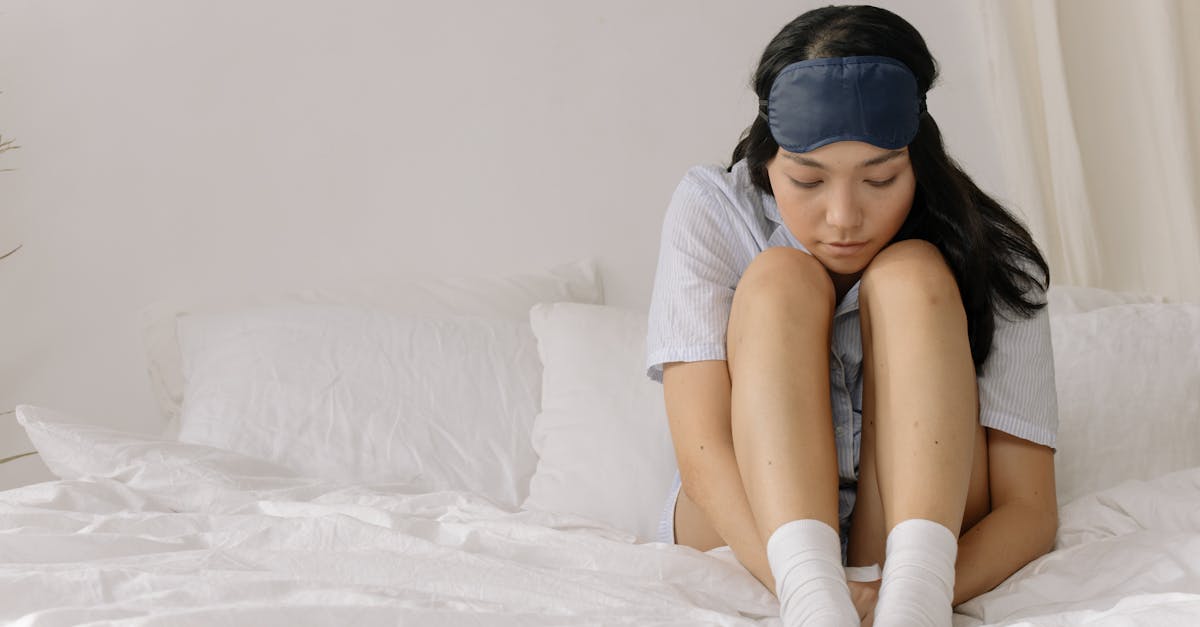
Blue light exposure can disrupt your circadian rhythm, affecting sleep and health. Discover the science behind this modern challenge.
In a world increasingly illuminated by screens, understanding how blue light affects our body clock is more crucial than ever. With the advent of smartphones, tablets, and LED lighting, we are exposed to artificial light at levels that were unimaginable a century ago. This exposure, especially to blue light, has profound implications for our circadian rhythms, the natural cycles that regulate sleep and many other bodily functions.
The Science of Circadian Rhythms
At the heart of our biological timekeeping is the circadian rhythm, a roughly 24-hour cycle that is part of the body’s internal clock. This rhythm is influenced by environmental cues, particularly light. In humans, the circadian rhythm orchestrates a variety of physiological processes, including the sleep-wake cycle, hormone release, and metabolism.
Light is the primary cue that synchronizes our internal clock with the external environment. Blue light, with its short wavelength, is particularly effective at influencing circadian rhythms because it is sensed by specific cells in the retina that communicate with the brain's master clock in the suprachiasmatic nucleus (SCN) of the hypothalamus.
Why Blue Light Matters
Blue light's impact on the body clock is rooted in its ability to suppress melatonin production. Melatonin is a hormone that promotes sleep, and its secretion is naturally timed to increase in the evening and decrease in the morning. Exposure to blue light, particularly during the evening hours, can reduce melatonin levels, delaying sleep onset and altering sleep patterns.
Research from Harvard University has shown that exposure to blue light before bedtime can shift the circadian rhythm by several hours, making it harder for individuals to fall asleep and wake up at their usual times. This can lead to sleep deficiencies and contribute to various health problems, including depression, diabetes, and cardiovascular issues.
The Role of Technology and Modern Lighting
Modern technology and lighting have significantly increased our exposure to blue light. Devices such as smartphones, tablets, and computers emit substantial amounts of blue light, and their use often extends into the evening. Moreover, energy-efficient LED lights, which are increasingly replacing traditional incandescent bulbs, also emit more blue light than their predecessors.
According to a study by the American Medical Association, excessive exposure to blue light at night can contribute to sleep disorders and has been linked to increased risks of several health issues. This is particularly concerning in a society where screen time is on the rise, with the average American adult spending over 11 hours per day interacting with media.
Mitigating Blue Light Exposure
To counteract the effects of blue light, several strategies can be employed. One approach is to limit screen time in the hours leading up to bedtime. The use of blue light filters on devices, which reduce the amount of blue light emitted, can also be beneficial. Additionally, wearing glasses with lenses that block blue light can provide an extra layer of protection.
Another effective measure is to ensure exposure to natural light during the day. Natural daylight helps reinforce the body's internal clock and can mitigate the effects of artificial blue light exposure. Employers and educators are increasingly aware of this, with some schools and workplaces installing circadian lighting systems that mimic natural light patterns.
The Road Ahead
As our understanding of the interaction between blue light and circadian rhythms deepens, the need for public awareness and behavioral changes becomes apparent. Manufacturers are beginning to respond with technology that adjusts light exposure based on time of day, a promising development in reducing the negative impacts of blue light.
Ultimately, while technology continues to evolve, the challenge lies in balancing our digital lives with our biological needs. As Dr. Charles Czeisler, a leading sleep researcher, notes, "The more we understand the effects of light on our biology, the more we can adapt our modern lifestyles to align with our natural rhythms." The future of healthy sleep may well depend on how we integrate this knowledge into our everyday routines.