
Are Blood Tests the Future of Migraine Diagnosis?
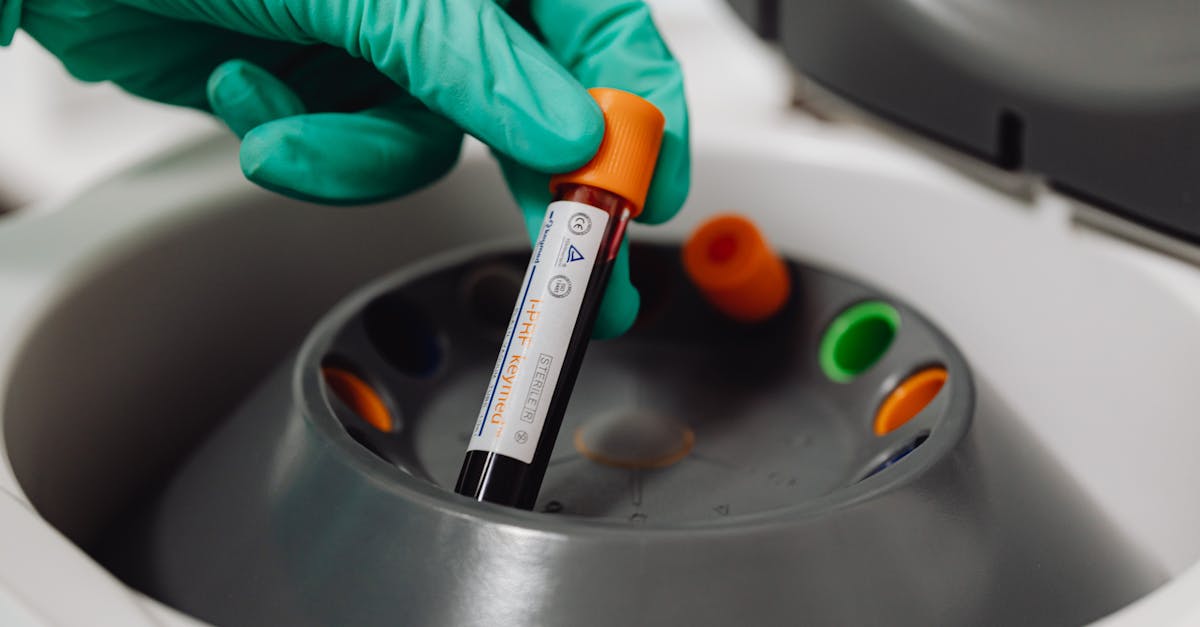
New research suggests blood tests could transform migraine diagnosis, offering a faster, more accurate approach than traditional methods.
Migraines, a debilitating condition affecting millions globally, have long been diagnosed through patient-reported symptoms and exclusion of other conditions. However, recent advancements in biomarker research suggest that blood tests could revolutionize how migraines are identified and managed.
The Science Behind Blood Testing for Migraines
At the forefront of this development is a study conducted by researchers at King's College London, which identified specific biomarkers in the blood that are elevated during a migraine attack. These biomarkers include certain proteins and inflammatory molecules that correlate with the onset and severity of migraines.
The potential of these findings is significant. By analyzing these biomarkers, healthcare providers could potentially diagnose migraines more accurately and swiftly than with the current symptom-based approach. This method not only promises to improve diagnostic accuracy but also to personalize treatment plans based on the individual's unique biomarker profile.
Why Current Migraine Diagnosis Falls Short
Currently, migraine diagnosis relies heavily on patient history and symptom description, which can be subjective and vary widely from person to person. This subjective nature often leads to misdiagnosis or delayed diagnosis, as symptoms overlap with other types of headaches and neurological disorders.
Moreover, the lack of a definitive diagnostic test means treatment is often trial-and-error. Patients endure various medications and lifestyle changes without assurance of effectiveness, resulting in prolonged suffering and reduced quality of life.
Potential Impact on Treatment and Management
Blood tests could offer a transformative leap in migraine care. With a more precise diagnosis, healthcare providers can tailor treatment strategies that are more likely to be effective, reducing the need for patients to undergo multiple treatments before finding relief.
Furthermore, knowing the specific biomarkers involved in a patient’s migraine can open the door to targeted therapies. Pharmaceutical companies are already looking into developing drugs that can directly target these biomarkers, potentially offering relief with fewer side effects compared to broader-spectrum medications.
Challenges and Considerations
Despite the promising research, there are challenges to overcome before blood tests become a standard tool in migraine diagnosis. The primary hurdle is ensuring that these tests are as reliable and accessible as possible. Researchers must validate their findings across diverse populations to ensure that the biomarkers are universally applicable.
Additionally, healthcare systems need to adapt to integrate these tests into routine practice. This includes training for healthcare providers and ensuring that laboratory facilities can handle the specific requirements of the tests.
There is also the issue of cost. While blood tests could potentially reduce long-term healthcare expenses by improving diagnosis and treatment efficacy, the initial rollout and widespread implementation require careful economic planning.
A Step Towards Personalized Medicine
The development of blood tests for migraines is a promising step toward personalized medicine, where treatments are tailored to the individual rather than the average patient. This approach could significantly improve outcomes for migraine sufferers, providing them with faster relief and a better understanding of their condition.
As research continues, the healthcare community eagerly anticipates the integration of these tests into clinical practice. As Dr. Sarah Miller, a neurologist involved in the research, states, "The future of migraine treatment lies in understanding the unique biological makeup of each patient. Blood tests could be the key to unlocking this potential."