
Bird Flu Found in Deceased Dolphin in South Australia Waters
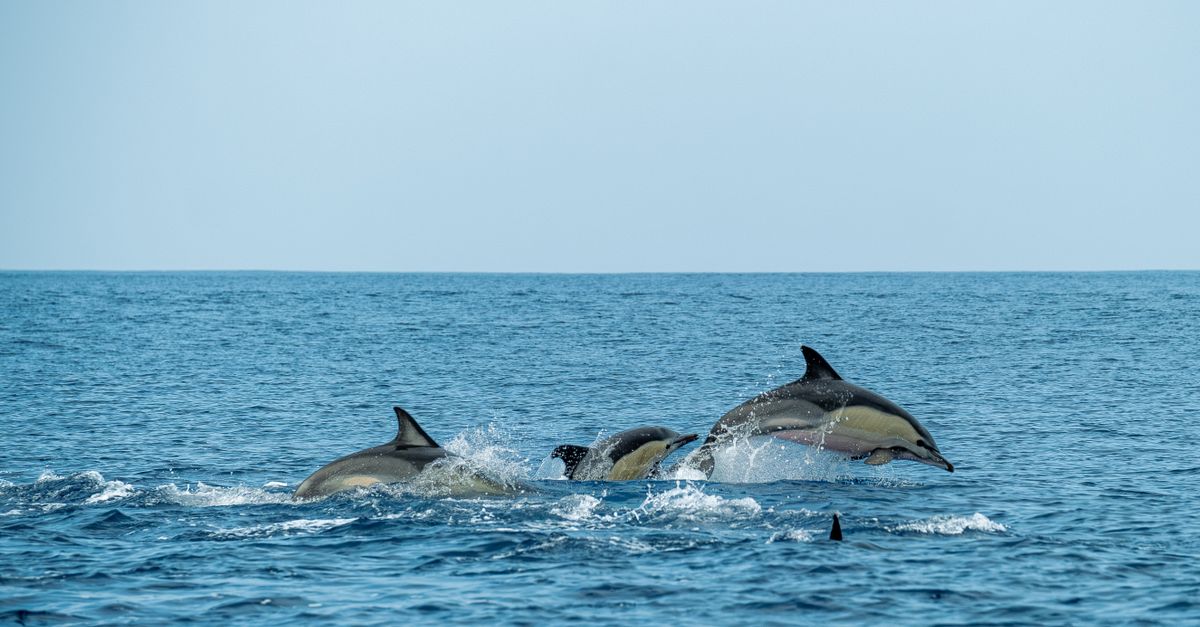
A deceased dolphin in South Australia has tested positive for bird flu, raising concerns about cross-species transmission.
A dolphin found dead off the coast of South Australia has tested positive for bird flu, marking an unusual instance of the virus crossing species barriers. This discovery has prompted health officials to investigate the potential implications for both wildlife and human health.
Uncommon Cross-Species Transmission
The detection of avian influenza in a marine mammal is rare, as the virus primarily affects birds. The case has caught the attention of virologists and public health experts, who are examining how the virus could have spread to a dolphin. While bird flu typically infects poultry and wild birds, instances of the virus affecting mammals have been documented but remain uncommon.
Experts are particularly interested in understanding the transmission pathway in this case. It is possible that the dolphin came into contact with infected birds or water contaminated by the virus, though investigations are ongoing to determine the exact cause.
Implications for Wildlife and Public Health
The presence of bird flu in a dolphin raises concerns about the virus's ability to mutate and adapt to new hosts. While the risk to humans remains low, health authorities are monitoring the situation closely to prevent any potential outbreak. This case underscores the importance of surveillance in detecting and managing diseases that can cross species.
Officials are advising the public to avoid contact with sick or dead animals and to report any unusual wildlife behavior. The Department of Environment and Water in South Australia is collaborating with veterinary and health experts to assess the situation and implement any necessary measures to protect wildlife and public health.
Ongoing Research and Monitoring Efforts
Research teams are conducting further tests to analyze the strain of the virus found in the dolphin. Understanding the genetic makeup of the virus can provide insights into how it might behave and spread. Scientists are also reviewing environmental factors that could facilitate such cross-species transmissions.
This incident highlights the interconnectedness of ecosystems and the need for comprehensive monitoring of zoonotic diseases. As global travel and trade continue to increase, the potential for diseases to spread across regions and species becomes more significant. Ongoing research and vigilance are crucial to managing these risks effectively.
The discovery in South Australia serves as a reminder of the complex dynamics in nature and the challenges of predicting and controlling zoonotic diseases. Authorities remain vigilant, ensuring that any findings are swiftly communicated to the public and relevant stakeholders to mitigate risks.