
Biotech Breakthroughs Poised to Transform US Healthcare
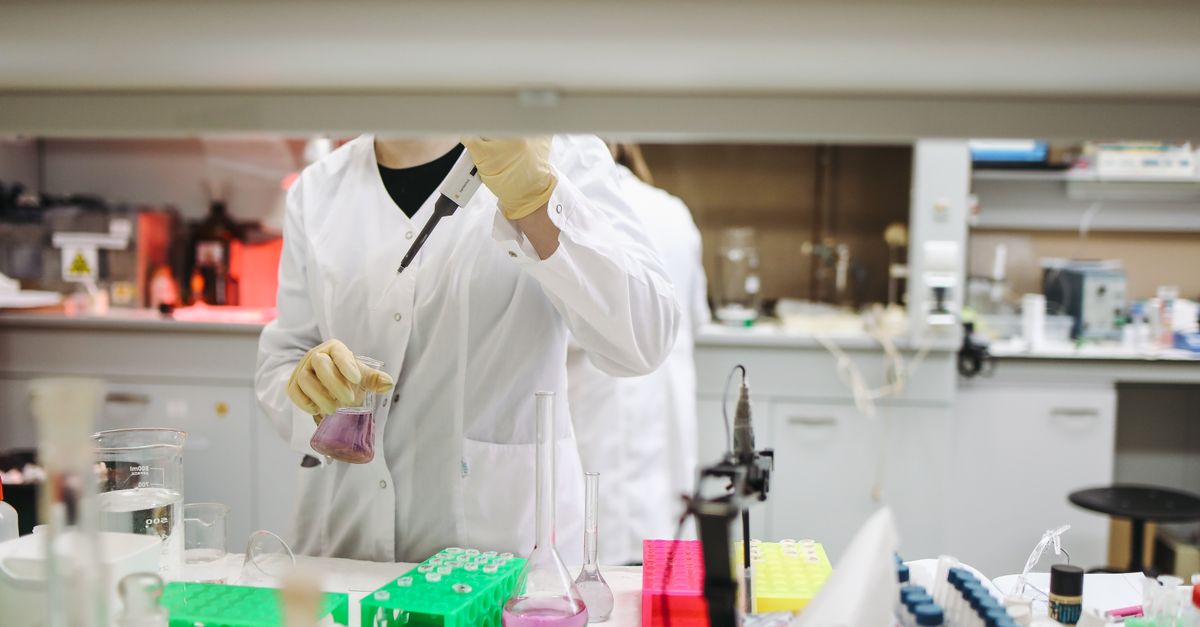
Explore how emerging biotechnologies are set to revolutionize healthcare in the US, from gene editing to personalized medicine.
The landscape of biotechnology is on the verge of significant transformation, driven by advancements that promise to reshape the healthcare system in the United States. From gene editing to personalized medicine, these breakthroughs hold the potential to improve patient outcomes and reduce healthcare costs, making them a focal point for regulators, healthcare providers, and patients alike.
Gene Editing: CRISPR and Beyond
CRISPR technology has been making headlines for its potential to edit genes with unprecedented precision. In the US, the Food and Drug Administration (FDA) is closely monitoring developments in this field, as researchers push the boundaries of what is possible in genetic modification. Recent trials have shown promise in treating conditions like sickle cell anemia and certain types of cancer. The regulatory landscape is evolving to ensure that these innovations are both safe and accessible to patients, with the FDA working to streamline the approval process for gene-editing therapies without compromising safety standards.
Personalized Medicine: Tailoring Treatments
Personalized medicine, which involves tailoring medical treatment to the individual characteristics of each patient, is gaining traction thanks to advances in genomic sequencing and data analytics. Companies like Illumina and Thermo Fisher Scientific are at the forefront, providing tools that enable healthcare providers to develop more effective treatment plans. As the Centers for Medicare & Medicaid Services (CMS) considers how to incorporate personalized medicine into coverage frameworks, the implications for patient care are profound, potentially leading to more effective treatments with fewer side effects.
Bioprinting: The Future of Organ Transplants
Bioprinting, the process of creating three-dimensional structures using living cells, could revolutionize organ transplants. This technology is not only a leap forward for patients on organ waitlists but also a significant cost-saving measure for the healthcare system. The National Institutes of Health (NIH) is funding several research projects exploring the feasibility of bioprinting organs such as kidneys and livers. While widespread clinical application may be years away, bioprinting is an exciting frontier in biotechnology that could alleviate the chronic shortage of donor organs.
AI and Machine Learning: Enhancing Drug Discovery
Artificial intelligence (AI) and machine learning are playing increasingly important roles in drug discovery and development. By analyzing vast datasets, AI can identify potential drug candidates faster and more accurately than traditional methods. Pharmaceutical companies like Pfizer and Johnson & Johnson are investing heavily in AI to expedite the drug development pipeline. The impact on the US market could be substantial, reducing the time and cost associated with bringing new drugs to market, and potentially leading to lower healthcare costs for consumers.
Regulatory and Ethical Considerations
As biotechnology continues to evolve, regulatory bodies such as the FDA and ethical committees are tasked with navigating complex challenges. Ensuring patient safety while fostering innovation requires a delicate balance. The Department of Health and Human Services (HHS) is actively working to update guidelines and policies to reflect these advancements. Ethical considerations, particularly around gene editing and AI, are at the forefront of discussions, as stakeholders work to ensure that new technologies are used responsibly.
The potential of these biotechnological breakthroughs to transform the US healthcare system is immense. As researchers and companies push the boundaries of what is possible, the focus remains on how these innovations can be integrated into existing healthcare frameworks to benefit patients nationwide.