
Beyond Maternity: Bridging the Women's Health Gap in India
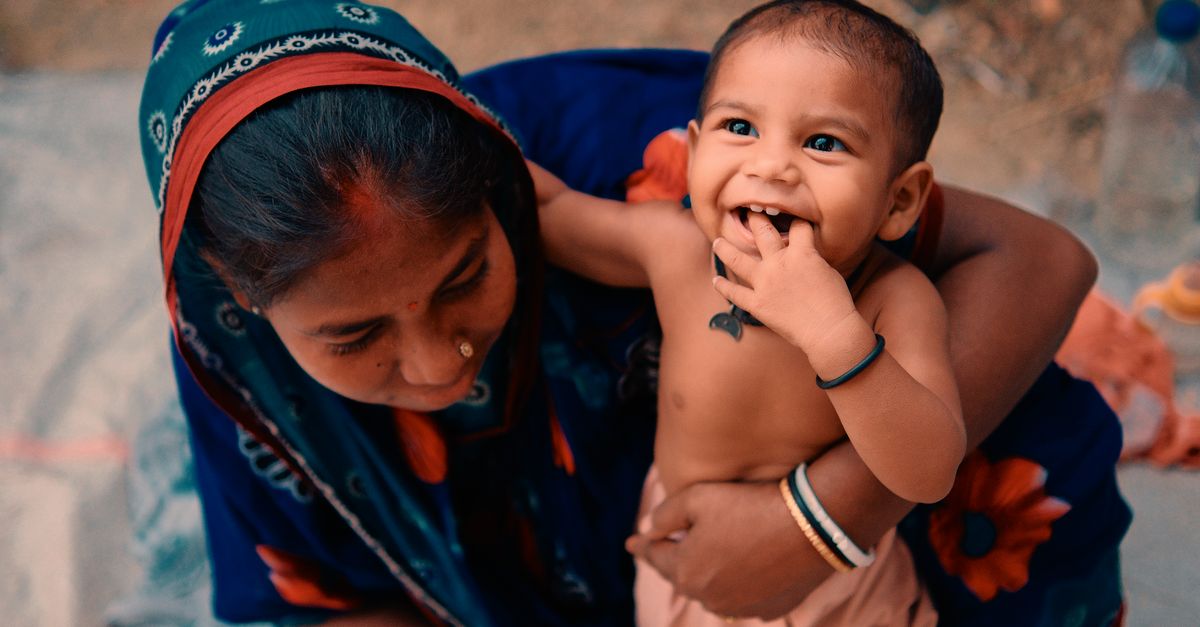
India's healthcare system must expand its focus beyond maternity to address broader women's health issues. Policy changes and awareness are crucial.
In India, women's health care has traditionally revolved around maternal and reproductive health, leaving other critical aspects woefully underexplored. While maternal health initiatives have thankfully lowered mortality rates and improved outcomes for pregnant women, there is an urgent need to broaden the scope. From cardiovascular diseases to mental health, the healthcare system must address the full spectrum of women's health issues.
Why Comprehensive Women's Health Matters
The focus on pregnancy and childbirth has overshadowed other health issues that affect women throughout their lives. For instance, according to the Indian Heart Association, women in India are at a higher risk of heart disease than their Western counterparts, often due to a lack of awareness and inadequate screening. Additionally, diseases like breast and cervical cancer are among the leading causes of death among women in India, yet regular screenings and preventive measures are not universally accessible.
Societal Norms and Their Impact
Societal norms and expectations play a significant role in this health care gap. In many parts of India, women prioritize family health over their own, often neglecting symptoms until they become severe. This cultural backdrop, combined with a healthcare system that predominantly focuses on reproductive health, leaves many women vulnerable to chronic diseases and mental health issues. Addressing these societal norms requires a robust public health campaign aimed at encouraging women to seek care for a wide range of health concerns.
The Role of Policy and Governance
Policy interventions are crucial to shifting the focus from maternity to comprehensive women's health. The National Health Policy should incorporate specific guidelines that mandate regular screenings for diseases prevalent among women. Incentives for healthcare providers to expand their services beyond reproductive health could also be a game-changer. Moreover, educational programs targeting both healthcare workers and the general public need to emphasize the importance of regular health check-ups for women.
Success Stories and Models to Follow
Looking globally, several countries have successfully implemented comprehensive women's health programs. For example, Australia's National Women's Health Strategy 2020–2030 aims to improve health outcomes across all life stages, focusing on preventive health and early intervention. India can draw lessons from such models, adapting strategies to suit its unique demographic and sociocultural context.
The Road Ahead: Opportunities for Change
To truly transform women's health in India, a multi-faceted approach is necessary. Policy changes, increased funding for women's health initiatives, and educational campaigns are vital. Moreover, leveraging technology, such as telemedicine and mobile health apps, could provide wider access to health services, particularly in rural areas. Dr. Anjali Mehta, a public health expert, notes, "The future of women's health in India lies in our ability to integrate technology seamlessly with policy to reach every woman, irrespective of her geographical location."
With the right commitments, India can develop a healthcare system that supports women through every stage of their lives, ensuring a healthier future for all.