
Beyond Doctors: Addressing Rural India's Healthcare Gaps
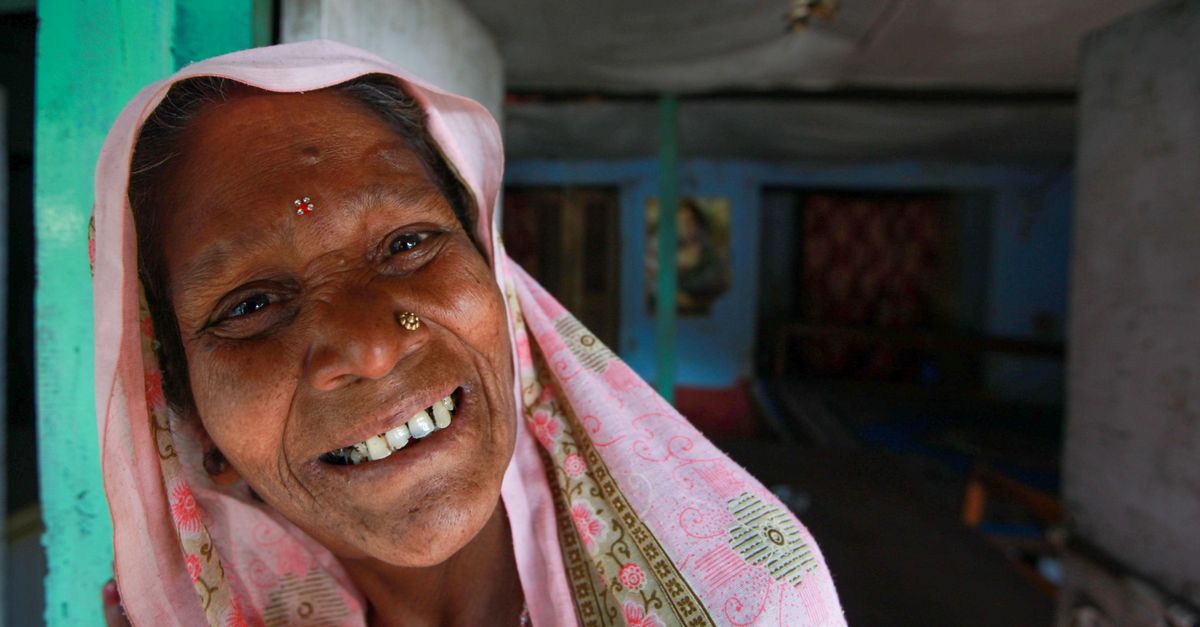
Rural India needs more than an influx of doctors; it requires a comprehensive overhaul of healthcare infrastructure and education.
In the vast expanses of rural India, a well-intentioned drive to increase the number of doctors is underway. Yet, despite the honorable goal, it is clear that simply adding more physicians is not a panacea for the healthcare challenges these communities face. A holistic approach that includes improving infrastructure, access to medical technology, and educational resources is essential for real progress.
Why Healthcare Infrastructure Matters
Infrastructure is the backbone of any healthcare system, and in rural India, it is often lacking. According to a 2019 report by the Ministry of Health and Family Welfare, nearly 30% of primary health centers in rural areas operate without a doctor, 38% without laboratory technicians, and 22% without a pharmacist. These gaps highlight the inadequacy of facilities where healthcare professionals are supposed to work.
Moreover, many rural health centers face frequent power outages, lack running water, and are not equipped with basic diagnostic tools. These deficiencies severely limit the effectiveness of even the most skilled doctors. Without the necessary infrastructure, rural healthcare workers often find themselves unable to provide the level of care that patients need.
The Role of Technology in Rural Healthcare
Technology has the potential to revolutionize healthcare delivery, especially in remote areas. Telemedicine can bridge the gap between rural patients and specialists located in urban centers. Initiatives like the Indian government's eSanjeevani platform have shown promise, offering teleconsultations to millions of patients. However, the success of such programs hinges on reliable internet access and digital literacy among rural populations.
Medical technology, such as portable diagnostic devices, can also play a crucial role. These tools can help healthcare workers diagnose and treat common illnesses on-site, reducing the need for patients to travel long distances to receive care. Investment in such technology could vastly improve outcomes in rural regions.
Education and Training: Building Human Capital
Increasing the number of doctors in rural areas must go hand in hand with improving the quality of medical education and training. Rural healthcare workers often lack access to continuing education, which is vital for keeping their skills up to date. Training programs focused on the specific challenges of rural healthcare can empower these professionals to deliver better care.
Additionally, community health workers can be invaluable in rural settings. These individuals, who often come from the communities they serve, can offer preventative care, health education, and basic medical services, significantly reducing the burden on physicians. Training and equipping more community health workers could enhance the overall healthcare ecosystem in rural India.
The Importance of Policy and Governance
Policy and governance play a critical role in shaping the healthcare landscape in rural India. While government schemes such as Ayushman Bharat aim to make healthcare more accessible, their implementation often falls short due to bureaucratic inefficiencies and corruption. Robust policy measures and transparent governance are essential to ensure that resources are allocated effectively and reach those in need.
Furthermore, partnerships between government bodies, non-governmental organizations, and private sectors can foster innovation and provide the resources necessary to improve rural healthcare. Collaborative efforts can help streamline processes, improve infrastructure, and deliver comprehensive services to underserved areas.
The challenges facing rural India's healthcare system are complex and multifaceted. While increasing the number of doctors is a necessary step, it is far from sufficient. Addressing the root causes of healthcare disparities requires investment in infrastructure, technology, education, and policy reform. Only then can rural India hope to achieve equitable healthcare for all its citizens.
As the global health landscape evolves, rural India must not be left behind. Efforts to enhance healthcare should focus not just on quantity but on quality, innovation, and sustainable practices that will bring lasting change to these communities.