
Beyond the Annual Exam: A New Approach to Healthcare
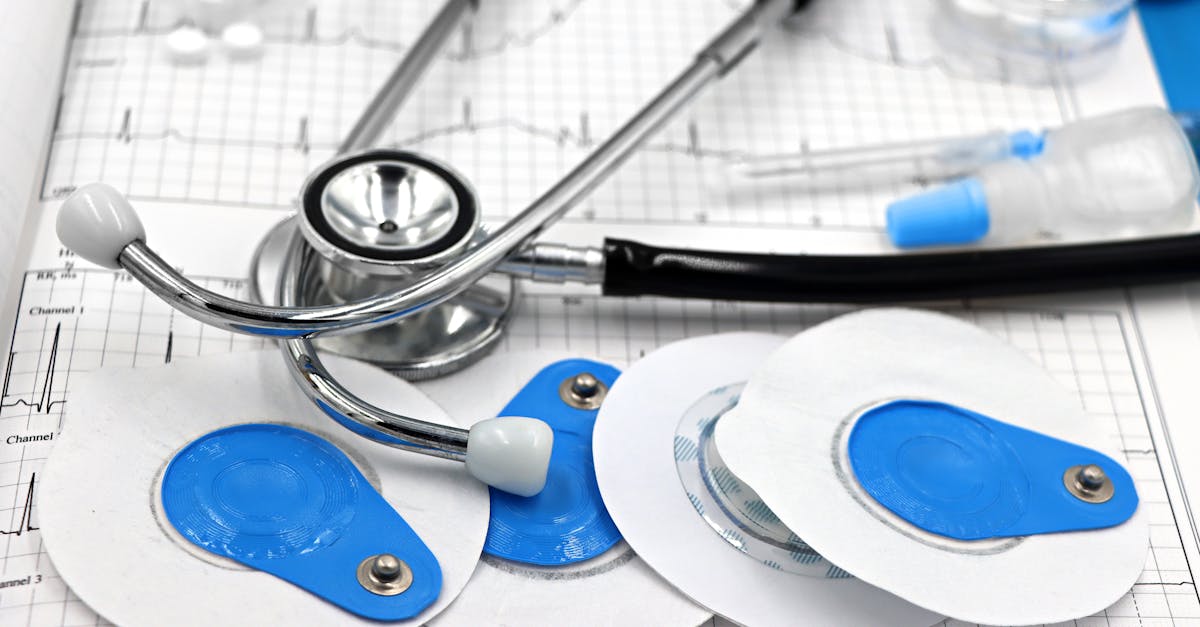
Annual check-ups may fall short in identifying chronic conditions early. A shift towards continuous monitoring is key.
The notion that a single annual health check-up can serve as a comprehensive safeguard against health issues is increasingly being challenged. While these exams have been a mainstay in preventive healthcare, they often fail to catch chronic conditions in their early stages. As life expectancy increases and lifestyle diseases become more prevalent, a paradigm shift towards continuous health monitoring emerges as a necessity.
The Limitations of Annual Exams
Annual check-ups typically include a series of basic tests and measurements such as blood pressure, cholesterol levels, and sometimes more comprehensive blood panels. However, they are often not equipped to detect subtle changes or early signs of chronic conditions like diabetes or cardiovascular diseases. According to a study published in The American Journal of Medicine, less than 20% of patients with chronic kidney disease were diagnosed during routine check-ups.
This gap is partly due to the episodic nature of these exams. A year is a long time in the context of health, and many changes can occur undetected if they are not actively monitored. Moreover, some tests conducted during these exams may not be extensive enough or may require follow-ups that are often neglected by patients.
Why Continuous Monitoring Makes Sense
With advancements in technology, continuous health monitoring is becoming more feasible and affordable. Wearable devices, such as smartwatches and fitness trackers, now offer real-time data on various health metrics including heart rate, activity levels, and sleep patterns. These devices can alert users to potential health issues as they arise, offering a real-time picture of one's health status.
Moreover, continuous monitoring can help in managing chronic diseases more effectively. For instance, a diabetes patient can use a continuous glucose monitor to track their blood sugar levels throughout the day, allowing for better management and fewer complications. This constant data flow can also be shared with healthcare providers, enabling more timely and personalized interventions.
Healthcare System Adaptations
For continuous monitoring to be truly effective, healthcare systems must adapt to integrate these technologies into standard care practices. This includes training healthcare providers to interpret data from wearable devices and incorporate it into patient care plans. Additionally, data privacy and security concerns must be addressed to protect patient information.
Some healthcare institutions are already leading the way. Kaiser Permanente, for instance, has begun incorporating digital health tools into patient care, allowing for remote patient monitoring and telehealth consultations. Such innovations not only improve patient outcomes but also reduce the burden on healthcare facilities.
Shifting Patient Mindsets
Equally important is shifting the mindset of patients who may view annual check-ups as sufficient. Education and awareness campaigns can help highlight the benefits of continuous monitoring and encourage individuals to take a proactive role in their health management.
Patients should be encouraged to discuss with their healthcare providers how best to integrate new technologies into their health plans. This partnership is essential for maximizing the benefits of continuous monitoring and ensuring that patients receive the most comprehensive care possible.
As we move forward, the healthcare landscape is poised for significant changes. The integration of continuous monitoring and technology-driven health solutions represents a forward-looking approach that could redefine preventive healthcare, offering a more personalized and timely response to health issues. The future of healthcare may well lie in the continuous stream of data that empowers both patients and providers to make informed decisions.