
Benjamin Diamond Secures Grant for Innovative Myeloma Genomic Research
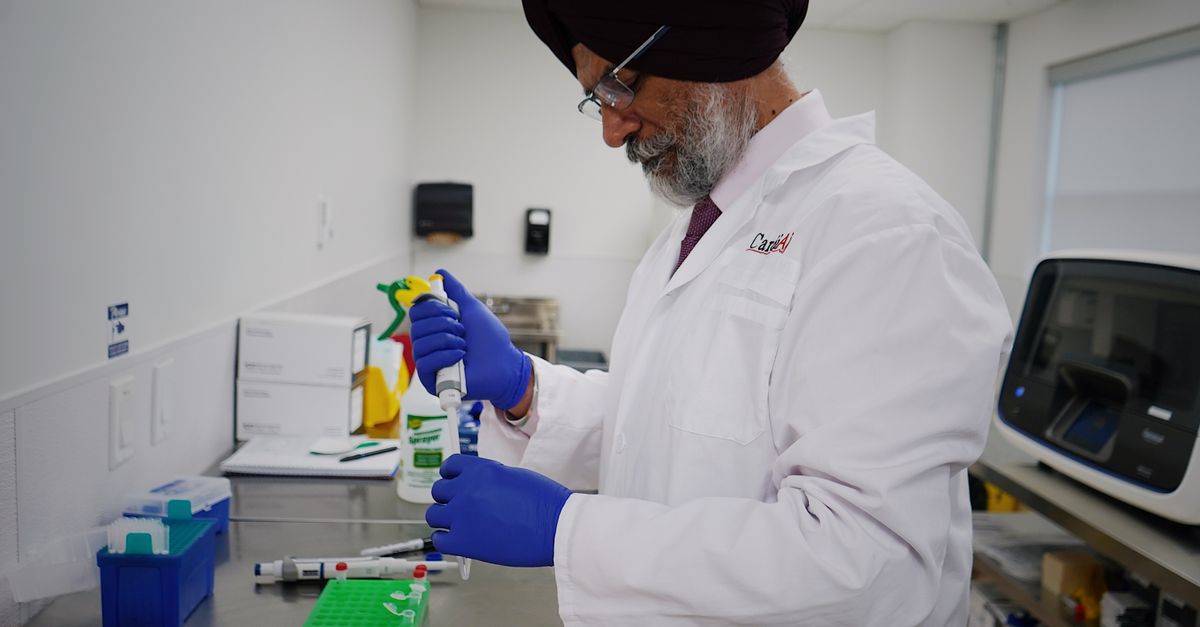
Benjamin Diamond receives funding to advance plasma-based genomic sequencing for multiple myeloma, promising new insights.
Renowned researcher Benjamin Diamond has been awarded a significant grant to investigate the use of plasma-based genomic sequencing in the study of multiple myeloma. This funding is expected to propel advancements in understanding and treating this complex blood cancer.
Revolutionizing Myeloma Research
Multiple myeloma is a type of blood cancer that affects plasma cells in the bone marrow, often leading to serious health complications. Despite advancements in treatment, the disease remains challenging to manage, and innovative approaches are needed to improve patient outcomes.
Diamond's research focuses on utilizing plasma-based genomic sequencing, a technique that analyzes DNA fragments circulating in the blood. This method offers a non-invasive alternative to traditional biopsies, potentially providing a more comprehensive view of the genetic mutations driving the disease.
Potential Impact of Plasma-Based Sequencing
The technique leverages the ability to detect and monitor genetic changes in real-time, which could lead to earlier detection of treatment response and disease progression. If successful, this approach may pave the way for personalized treatment strategies, allowing for more precise targeting of therapies to an individual's unique cancer profile.
By focusing on plasma-based sequencing, Diamond aims to overcome some of the limitations of current diagnostic methods, which often require invasive procedures and may not capture the full genetic landscape of the disease.
Support and Future Directions
Diamond's grant will support a series of studies designed to validate the efficacy of plasma-based genomic sequencing in a clinical setting. Collaborating with leading oncologists and genomic scientists, Diamond's team will explore how this technology can be integrated into standard care protocols for multiple myeloma patients.
As the research progresses, it is anticipated that the findings will contribute to a deeper understanding of the molecular mechanisms underlying multiple myeloma and potentially guide the development of novel therapeutic approaches.
This grant underscores the importance of continued investment in cutting-edge research to address unmet needs in cancer treatment. By supporting innovative projects like Diamond's, the scientific community hopes to unlock new pathways for combating complex diseases such as multiple myeloma.