
Battling Malnutrition: India's Nutritional Challenge
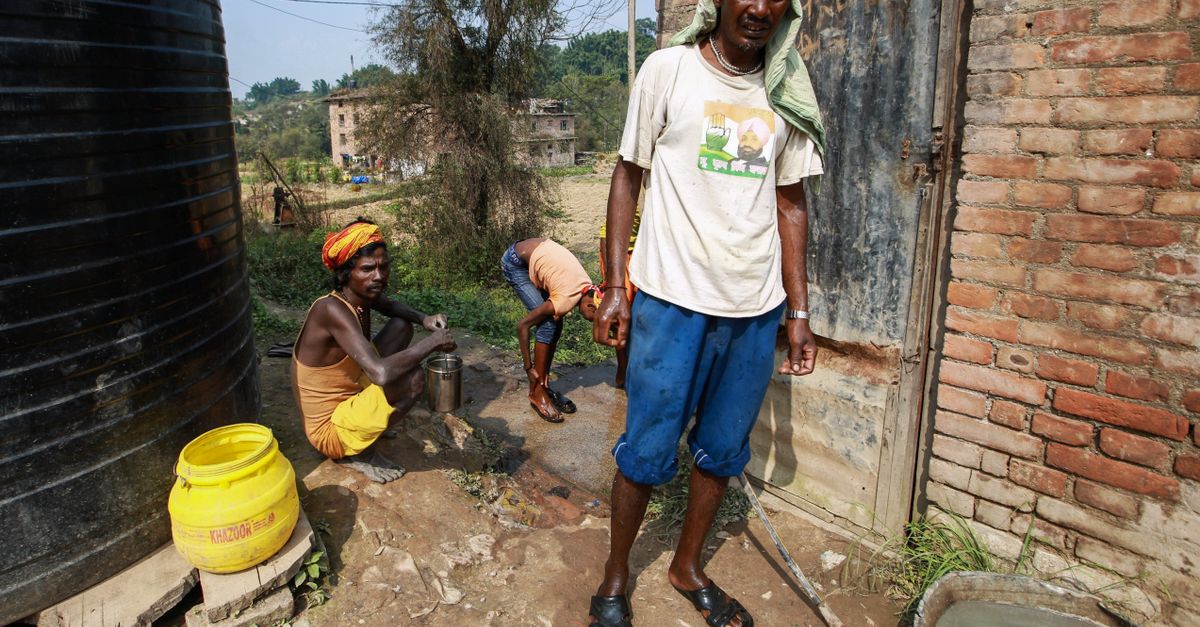
India faces a dual burden of malnutrition: undernutrition and obesity. Addressing these challenges requires integrated strategies.
India, a country with a vast and diverse population, is facing a paradoxical challenge in the realm of nutrition. While it is home to millions of undernourished individuals, it is also witnessing a rising tide of obesity and diet-related non-communicable diseases. Addressing this dual burden of malnutrition requires a nuanced approach that takes into account the complex socio-economic and cultural factors at play.
Undernutrition: A Persistent Crisis
Despite economic growth and advancements in healthcare, undernutrition remains a significant issue in India. According to the National Family Health Survey (NFHS-5) conducted in 2019-2021, approximately 35% of children under five are stunted, 19% are wasted, and 32% are underweight. These figures reflect chronic undernutrition that affects physical and cognitive development, perpetuating a cycle of poverty and ill-health.
Several factors contribute to this crisis. Poverty, food insecurity, inadequate healthcare, poor sanitation, and lack of maternal education are key determinants. The Public Distribution System (PDS), designed to provide subsidized food grains, often falls short due to inefficiencies and corruption. Additionally, cultural practices and gender biases often lead to women and girls receiving less food and medical care, exacerbating malnutrition.
Rising Obesity: An Emerging Threat
On the other end of the spectrum, India is experiencing a rise in obesity and related health issues. The NFHS-5 data indicates that obesity among adults has increased, with 24% of women and 22% of men classified as overweight or obese. This trend is particularly pronounced in urban areas, where sedentary lifestyles and the proliferation of processed foods contribute to unhealthy weight gain.
The shift towards Western dietary patterns, characterized by high-calorie, low-nutrient foods, is a significant driver of this trend. Additionally, the rapid urbanization and changes in occupational patterns have led to reduced physical activity, further compounding the problem.
Government Initiatives and Policy Responses
To combat these nutritional challenges, the Indian government has launched several initiatives. The Integrated Child Development Services (ICDS) scheme provides food, preschool education, and primary healthcare to children under six and their mothers. Similarly, the Mid-Day Meal Scheme aims to improve the nutritional status of school-age children nationwide.
However, these programs face implementation challenges. Issues such as inadequate funding, poor infrastructure, and lack of trained personnel often hinder their effectiveness. Moreover, the focus has traditionally been on calorie intake rather than balanced nutrition, overlooking the importance of micronutrients.
In response to the obesity epidemic, the government has initiated awareness campaigns promoting healthy eating and physical activity. The Eat Right India movement, launched by the Food Safety and Standards Authority of India (FSSAI), encourages citizens to make informed dietary choices. However, these efforts need to be scaled up and integrated into broader health policies to achieve significant impact.
The Role of Community and Technology
Community involvement and technology can play crucial roles in addressing India's nutritional challenges. Grassroots organizations and self-help groups can bridge gaps in government programs by ensuring food reach and awareness at the local level. Empowering women through education and providing them with decision-making power in households can further improve family nutrition.
Technology, too, offers promising solutions. Mobile health initiatives and apps can disseminate nutrition information widely and offer personalized dietary advice. Blockchain technology can potentially improve the transparency and efficiency of food distribution networks, reducing corruption and waste.
Looking Ahead: A Unified Effort Needed
Tackling malnutrition in India requires a multi-faceted approach that combines government policy, community action, and technological innovation. It is imperative to address the root causes of undernutrition and obesity simultaneously. Collaborative efforts across sectors, involving healthcare professionals, policy makers, and the private sector, are essential to forge sustainable solutions. As India moves forward, prioritizing nutrition will not only improve health outcomes but also contribute to economic development and social equity.