
Balancing Productivity: Cutting Screen Time Without Compromise
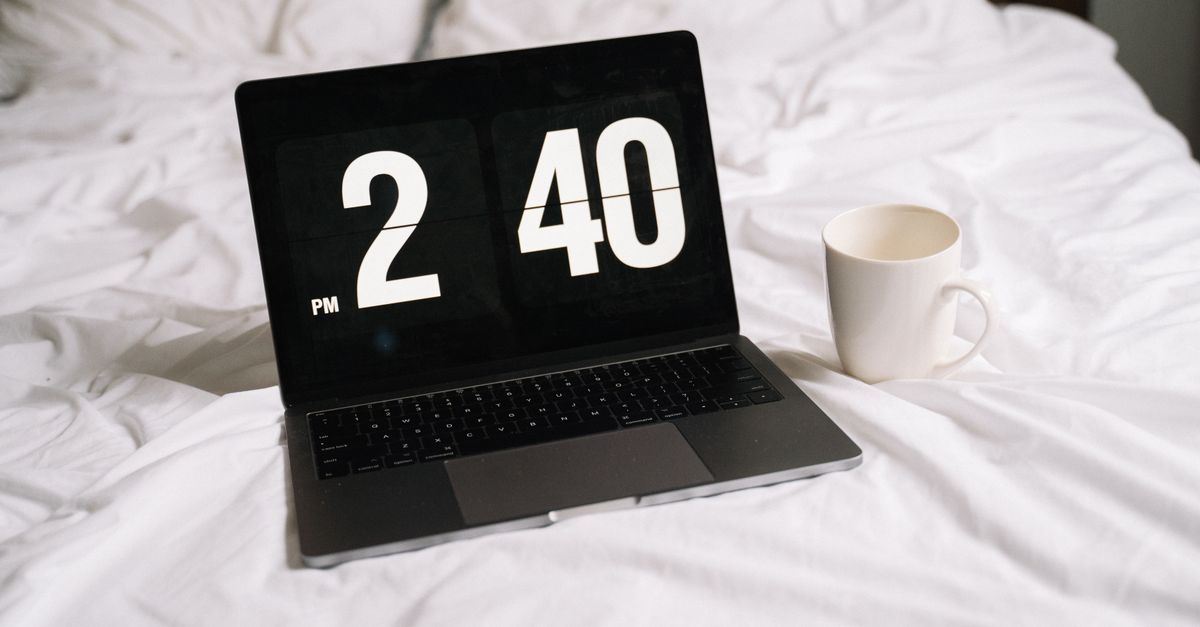
Learn strategies to limit screen time while maintaining work efficiency and focus.
In a world increasingly tethered to screens, finding ways to reduce screen time without diminishing productivity is a modern challenge. The average adult in the United States spends over 11 hours a day interacting with digital media, according to Nielsen. While digital tools are essential for work and communication, excessive screen time can lead to eye strain, sleep disturbances, and reduced physical activity. The key lies in achieving a balance that maintains productivity while promoting healthier habits.
The Impact of Screen Fatigue on Efficiency
Screen fatigue, or digital eye strain, is a prevalent issue affecting millions. Symptoms include headaches, blurred vision, and neck pain, all of which can hinder work performance. A study by the Vision Council found that 59% of Americans report experiencing symptoms of digital eye strain. This condition not only impacts health but can also decrease concentration and productivity.
Moreover, prolonged exposure to blue light emitted by screens can suppress melatonin production, disrupting sleep patterns. Poor sleep leads to decreased cognitive function and slower response times, further impacting work efficiency. Addressing screen fatigue is thus crucial for maintaining both health and productivity.
Strategies for Reducing Screen Time
One effective strategy is to implement the 20-20-20 rule: every 20 minutes, look at something 20 feet away for at least 20 seconds. This practice helps reduce eye strain and provides a mental break. Additionally, using apps like f.lux can adjust your screen’s color temperature to align with natural light patterns, reducing blue light exposure in the evening.
Another approach is to schedule regular breaks away from the screen. Techniques such as the Pomodoro Technique encourage focused work sessions followed by short breaks. This not only reduces screen time but has been shown to improve concentration and productivity.
Optimizing Workspaces for Less Screen Dependency
Reevaluating your workspace can also contribute to reduced screen reliance. Incorporate physical materials where possible—use a whiteboard for brainstorming or a notebook for jotting down ideas. These methods can stimulate different cognitive processes and offer a break from digital devices.
Furthermore, encourage face-to-face meetings when feasible. Human interaction can often be more efficient and less time-consuming than back-and-forth emails or messages. It also provides a necessary social element that screens cannot replicate.
Integrating Mindfulness and Physical Activity
Mindfulness practices can help reduce the urge to constantly check screens. Techniques such as deep breathing, meditation, or even stepping outside for a few minutes can refresh your mind and reduce stress. These practices are especially beneficial during work breaks and can enhance overall focus and productivity.
Incorporating physical activity into your daily routine is another effective method. Standing desks, walking meetings, or simple stretching exercises can break the monotony of sitting and staring at a screen all day. Physical activity not only reduces the time spent on screens but boosts energy levels and cognitive function.
Embracing Digital Tools Wisely
While reducing screen time is crucial, it’s also important to utilize digital tools wisely. Apps that block distracting websites or limit time on certain applications can help manage screen use more effectively. These tools can guide you in prioritizing tasks and maintaining focus on important work without the constant lure of social media or news websites.
Ultimately, the goal is to create a balanced approach to technology use that supports both productivity and well-being. As workplaces continue to evolve, finding personal strategies that work within digital environments will be key. By reducing screen time thoughtfully, we can preserve our health and enhance our efficiency in the digital age.