
Ayushman Bharat: India's Healthcare Revolution in Motion
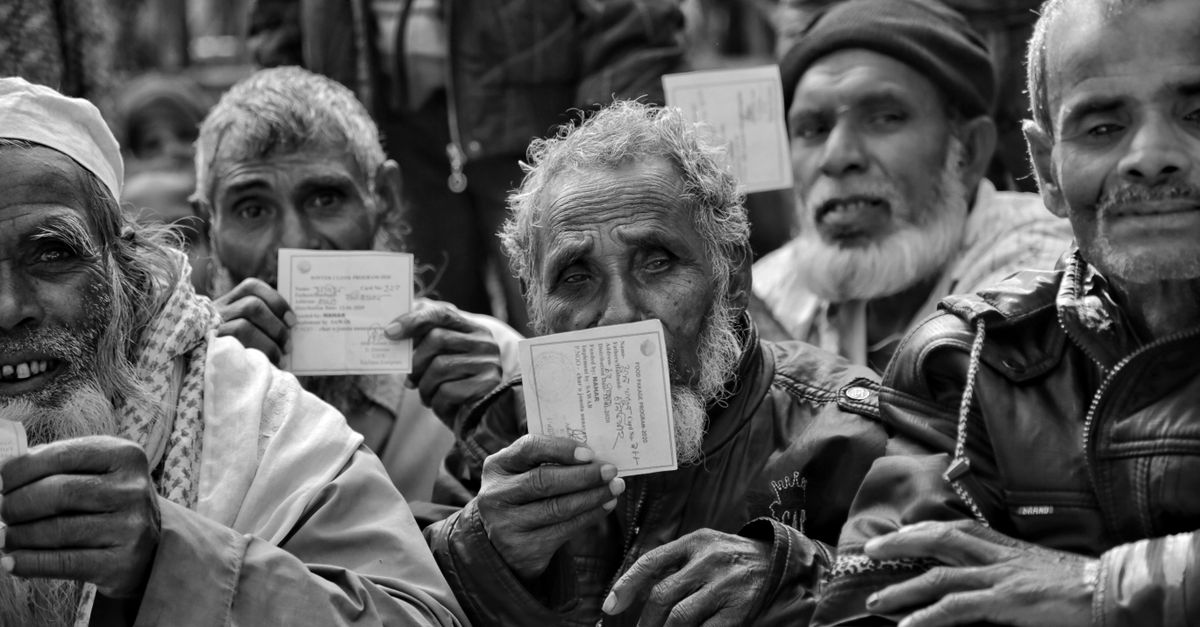
Ayushman Bharat is reshaping India's healthcare by providing financial protection and access to quality services for millions.
In a country where healthcare costs can push families into poverty, Ayushman Bharat emerges as a beacon of hope. Launched by the Indian government in 2018, this ambitious program aims to transform the healthcare landscape by providing financial protection and improving access to quality healthcare services for millions of Indians. As the world's largest government-funded healthcare initiative, Ayushman Bharat represents a significant step towards universal health coverage.
The Two Pillars of Ayushman Bharat
Ayushman Bharat rests on two foundational pillars: the Pradhan Mantri Jan Arogya Yojana (PM-JAY) and the Health and Wellness Centres (HWCs). PM-JAY provides an annual health cover of INR 5 lakh per family for secondary and tertiary care hospitalization, targeting over 10 crore vulnerable families. The scheme is designed to cover nearly 50 crore beneficiaries, making it a massive undertaking in terms of scale and scope.
On the other hand, HWCs aim to deliver comprehensive primary healthcare services. By converting existing sub-centres and primary health centres into HWCs, the program focuses on preventive, promotive, curative, and rehabilitative services. The goal is to establish 1.5 lakh HWCs by the end of 2022, ensuring healthcare access at the grassroots level.
Impact on Healthcare Accessibility
One of the most significant impacts of Ayushman Bharat has been its role in enhancing healthcare accessibility across India. By removing financial barriers, the program allows families to seek medical care without the fear of incurring debilitating expenses. According to government data, by January 2023, over 4 crore hospital admissions had been covered under PM-JAY, translating to substantial savings for beneficiaries.
Moreover, with the establishment of HWCs, even remote and rural areas are witnessing improvements in healthcare delivery. These centres provide essential services like screening for non-communicable diseases, maternal and child health services, and free essential drugs and diagnostics, thereby reducing the burden on tertiary care facilities.
Challenges and Criticisms
Despite its achievements, Ayushman Bharat faces several challenges. Implementation across diverse regions with varying levels of infrastructure poses significant hurdles. In states with inadequate healthcare infrastructure, the program struggles to deliver the intended benefits effectively. Additionally, the insurance claim process under PM-JAY has been critiqued for delays, affecting timely access to care.
Corruption and fraud remain persistent concerns. Reports of false claims and overbilling have surfaced, prompting the need for robust verification and auditing mechanisms. The government has initiated measures such as e-cards, biometric authentication, and real-time monitoring to counter these issues, but the system's integrity continues to be tested.
The Path Forward for Ayushman Bharat
The potential of Ayushman Bharat to revolutionize healthcare in India is undeniable, but realizing this vision requires continuous innovation and adaptation. Strengthening partnerships with private healthcare providers can enhance service delivery, while investments in digital health technologies can streamline processes and improve transparency.
The focus should also be on enhancing the quality of care provided at HWCs. Training healthcare workers, ensuring the availability of medicines, and upgrading infrastructure are pivotal to the success of these centres. As India moves towards its goal of universal health coverage, Ayushman Bharat must evolve to address emerging healthcare challenges and disparities.
The journey of Ayushman Bharat is both a testament to India's commitment to healthcare reform and a reminder of the complexities involved in such an ambitious undertaking. As the program continues to expand, it holds the promise of not just improving health outcomes but also of setting a precedent for other nations grappling with similar healthcare challenges.