
Australia Reports First H5N1 Bird Flu Case in Mammal
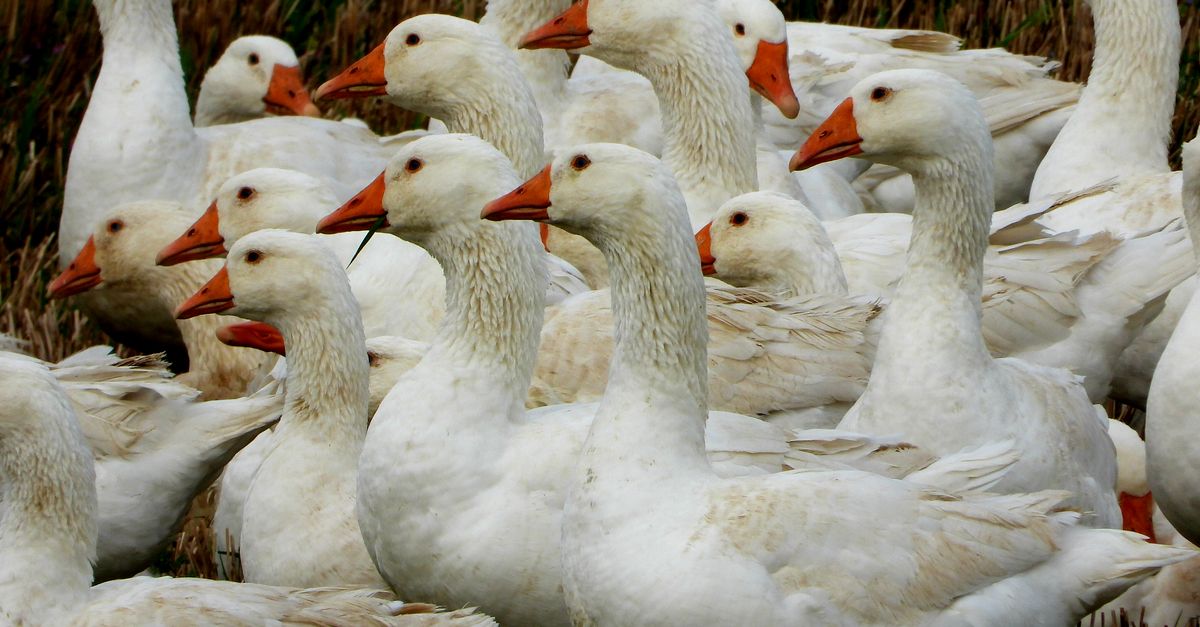
Australia has identified its first case of H5N1 bird flu in a local mammal, raising concerns about the virus's spread.
Australia has confirmed its first case of the H5N1 bird flu virus in a local mammal, marking a significant development in the region's monitoring of the disease. The detection has occurred amidst broader concerns about the virus's potential impact on wildlife and the ecosystem.
First Mammalian Case Raises Concerns
The case was identified in a fur seal near Kangaroo Island, a region known for its diverse wildlife. This discovery follows reports of the virus affecting birds in the area, but this is the first instance where a mammal has tested positive in Australia. The presence of H5N1 in mammals is particularly concerning due to the potential for cross-species transmission.
The Australian government has taken immediate steps to address the situation, deploying health and wildlife experts to the area to contain any further spread. Officials are conducting detailed investigations to determine the source of the infection and to assess the risk to other local wildlife.
Impact on Wildlife and Ecosystem
The detection of H5N1 in a fur seal is alarming to conservationists who are worried about the virus's impact on endangered species. The potential for the virus to affect sea lions and other marine mammals has raised the stakes for conservation efforts.
Experts from various wildlife organizations have expressed concern that the virus could further endanger already vulnerable species. They are calling for increased monitoring and immediate action to prevent a larger outbreak that could have devastating effects on the ecosystem.
Government and Expert Response
The Australian government is coordinating with international health organizations to monitor the situation closely. Public health officials have reassured the public that the risk to humans remains low, but they are urging caution and vigilance.
Meanwhile, researchers are studying the virus strains to understand how it has spread to mammals and what measures can be taken to prevent further transmission. The government has also increased surveillance of both wild and domestic animals in the region to quickly identify any new cases.
As Australia grapples with the implications of this discovery, the emphasis remains on preventing the spread and protecting both wildlife and public health. The situation continues to be monitored closely, with updates expected as more information becomes available.