
Atlanta Hospitals Innovate to Enhance Patient Flow
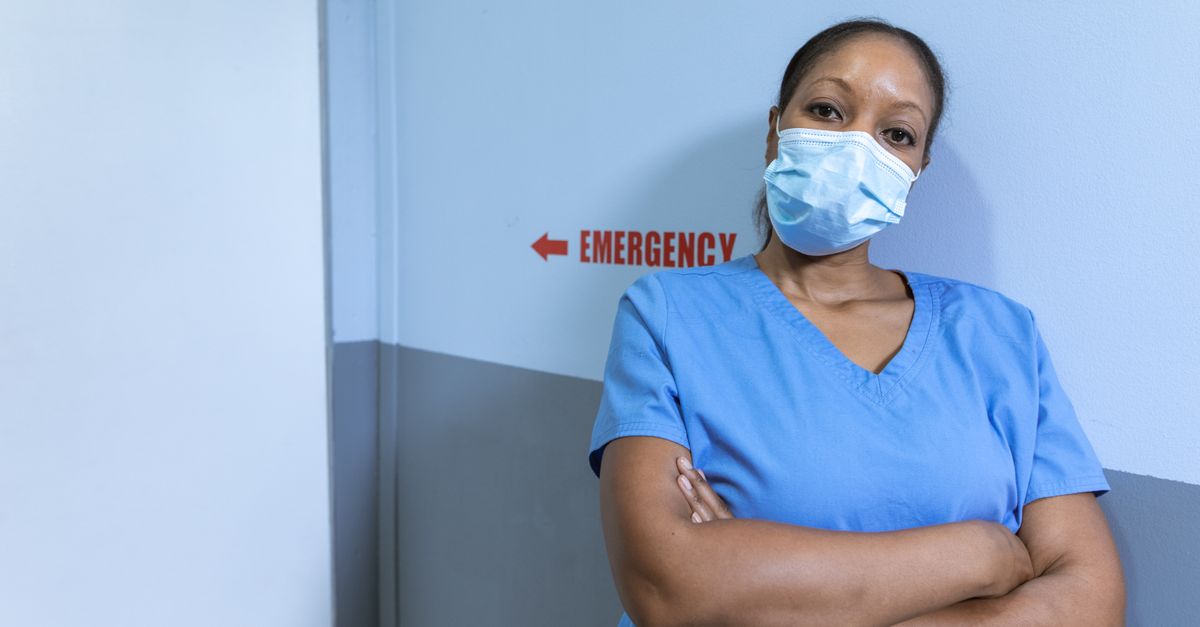
Atlanta hospitals are tackling patient flow issues with innovative strategies, improving efficiency and patient care.
In a city renowned for its traffic congestion, Atlanta hospitals are determined to ensure that patient flow within their facilities is anything but sluggish. The city's major healthcare providers, including Emory Healthcare, Piedmont Healthcare, and Wellstar Health System, are spearheading initiatives aimed at optimizing patient throughput, a crucial factor in improving healthcare delivery and patient satisfaction.
Electronic Health Records Streamlining Operations
At the forefront of this transformation is the strategic use of Electronic Health Records (EHRs). Emory Healthcare, for instance, has integrated advanced EHR systems that not only streamline patient information but also facilitate rapid communication between departments. This integration allows for real-time updates on patient status, reducing waiting times and ensuring that medical staff can allocate resources effectively.
According to a recent study published in the Journal of the American Medical Informatics Association, hospitals that effectively utilize EHRs see a 20% reduction in patient wait times. Emory's adoption of these systems aligns with findings supported by the Centers for Medicare & Medicaid Services (CMS), emphasizing the importance of digital health solutions in modern healthcare environments.
Innovative Scheduling to Reduce Bottlenecks
Piedmont Healthcare has taken a proactive approach by revamping its patient scheduling system. Utilizing predictive analytics, they anticipate peak periods of patient intake and adjust staffing levels accordingly. This strategy, supported by the National Institutes of Health (NIH), has shown promise in minimizing bottlenecks, particularly in emergency departments where time is of the essence.
By analyzing data trends, Piedmont has been able to reduce emergency room wait times by an average of 15%. This improvement is crucial, given that the Centers for Disease Control and Prevention (CDC) reports emergency departments are often the first point of contact for patients, making efficiency in these areas a top priority.
Telehealth and Remote Monitoring Expanding Access
The COVID-19 pandemic catalyzed a rapid expansion of telehealth services, and Atlanta hospitals have embraced this shift to enhance patient flow. Wellstar Health System has invested in telehealth infrastructure, allowing patients to receive consultations and follow-up care remotely. This approach not only alleviates in-person appointment backlogs but also extends healthcare access to rural areas, aligning with objectives set by the Department of Health and Human Services (HHS).
Remote monitoring technologies further complement telehealth initiatives, enabling continuous patient care outside hospital walls. These innovations have been particularly beneficial for chronic disease management, where continuous oversight is crucial.
Physical Space Redesigns to Improve Efficiency
Beyond technological enhancements, physical space redesigns are playing a pivotal role in improving patient flow. Emory has undertaken significant renovations in their hospital layouts to create more intuitive pathways for patients and staff. By redesigning their emergency department layout, they have increased the efficiency of patient movement and reduced the time taken to access critical care areas.
This physical restructuring is backed by research from the Agency for Healthcare Research and Quality (AHRQ), which suggests that thoughtfully designed hospital environments can lead to improved patient outcomes and staff efficiency.
Building a Culture of Continuous Improvement
Central to these efforts is the commitment to a culture of continuous improvement. Atlanta hospitals are fostering environments where staff are encouraged to propose solutions and share insights into process inefficiencies. Regular training sessions and workshops are conducted to equip healthcare professionals with the latest skills and knowledge, ensuring that they are prepared to adapt to evolving healthcare challenges.
As Dr. James Smith, Chief Operations Officer at Piedmont Healthcare, aptly puts it, "Improving patient flow is not just about technology or processes; it's about building a culture that prioritizes patient experience and quality care." This mindset is a guiding principle as Atlanta hospitals strive to keep their patient flow as smooth as the city’s famous Southern hospitality.