
Asthma Management Challenges in India: A Closer Look
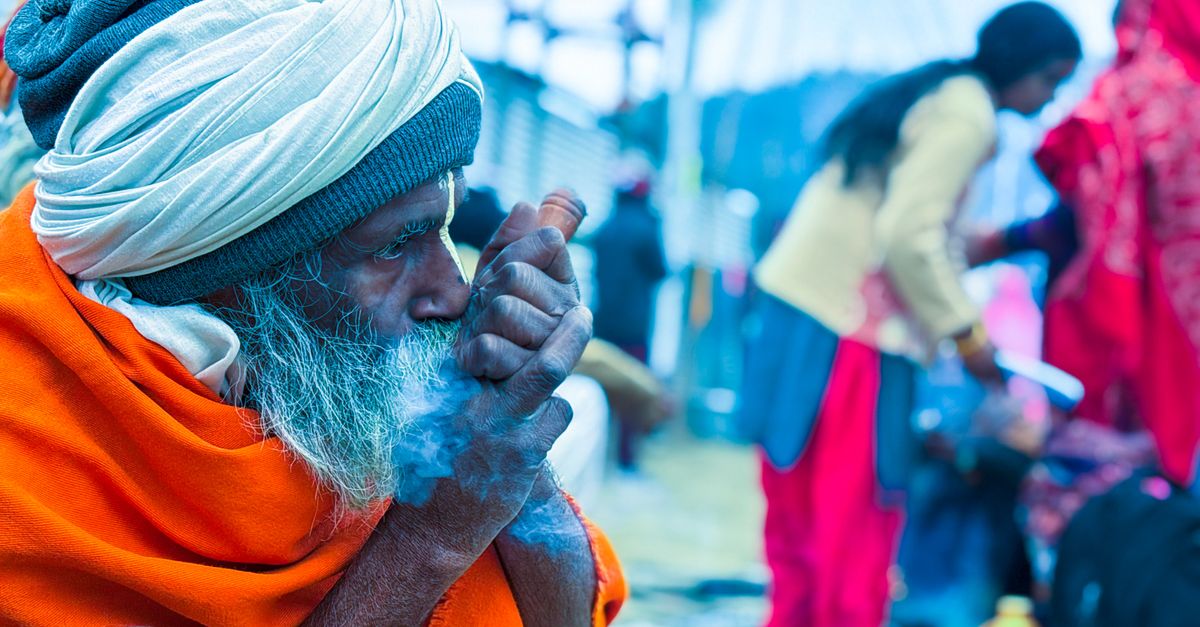
Asthma management in India faces hurdles due to environmental, economic, and healthcare system factors, affecting patient outcomes.
Asthma, a chronic respiratory condition, affects approximately 30 million individuals in India, according to the Global Burden of Disease study. Despite this prevalence, managing asthma effectively in the country presents a myriad of challenges that are both systemic and environmental in nature. From the availability of medications to socio-economic barriers, the hurdles are substantial and varied.
Environmental Factors Exacerbating Asthma
The deteriorating air quality in many Indian cities is a significant contributor to asthma exacerbations. According to the World Health Organization, several of the world's most polluted cities are in India, with Delhi often topping the list. The presence of high levels of particulate matter (PM2.5 and PM10) can severely affect asthma patients, leading to more frequent and severe attacks. Furthermore, seasonal variations, such as the winter smog, can significantly worsen respiratory health.
Rural areas, although less industrialized, are not free from environmental challenges. The use of biomass fuels for cooking and heating in poorly ventilated homes contributes substantially to indoor air pollution, impacting respiratory health adversely. This is particularly concerning given that a significant portion of India's population resides in rural areas.
Economic and Accessibility Barriers
Economic constraints play a crucial role in asthma management. Many patients find it challenging to afford long-term medication, such as inhalers, which are essential for controlling asthma symptoms. A 2019 study published in The Lancet highlighted that a significant number of asthma patients in India do not adhere to prescribed treatments due to cost-related factors.
Moreover, access to healthcare facilities is unevenly distributed across the country. Urban areas may have better access to specialists and healthcare infrastructure, but rural regions often lack such resources. This disparity means that rural patients might not receive timely diagnoses or appropriate management strategies, exacerbating their condition.
Knowledge Gaps and Misdiagnosis
Another layer of complexity in managing asthma in India is the prevalent knowledge gap among both patients and healthcare providers. Misdiagnosis is not uncommon, with asthma symptoms sometimes confused with other respiratory conditions such as tuberculosis, which is also prevalent in the country.
Public awareness campaigns about asthma are insufficient, leading to misconceptions about the disease and its treatments. Many patients do not understand the importance of adhering to medication regimens or how to use inhalers correctly. This lack of understanding can lead to poorly managed asthma, resulting in preventable hospitalizations and a diminished quality of life.
What Needs to Change
Addressing these challenges requires a multi-faceted approach. Improving air quality is paramount, demanding stricter enforcement of environmental regulations and initiatives to reduce pollution from vehicles and industries. Raising awareness about indoor air pollution, especially in rural areas, is equally essential.
From a healthcare perspective, increasing the affordability and availability of asthma medications must be prioritized. Government and non-governmental organizations could collaborate to subsidize costs, ensuring that financial barriers do not impede access to necessary treatments.
Education programs aimed at both healthcare providers and patients could bridge the knowledge gap. Training healthcare workers to recognize and treat asthma accurately is crucial, as is informing patients about managing their condition effectively.
Ultimately, addressing these challenges requires a concerted effort from policymakers, healthcare providers, and the community. With the right strategies, the burden of asthma in India can be significantly reduced, improving the quality of life for millions of patients.