
Assessing the Health of Indians: A Contemporary Overview
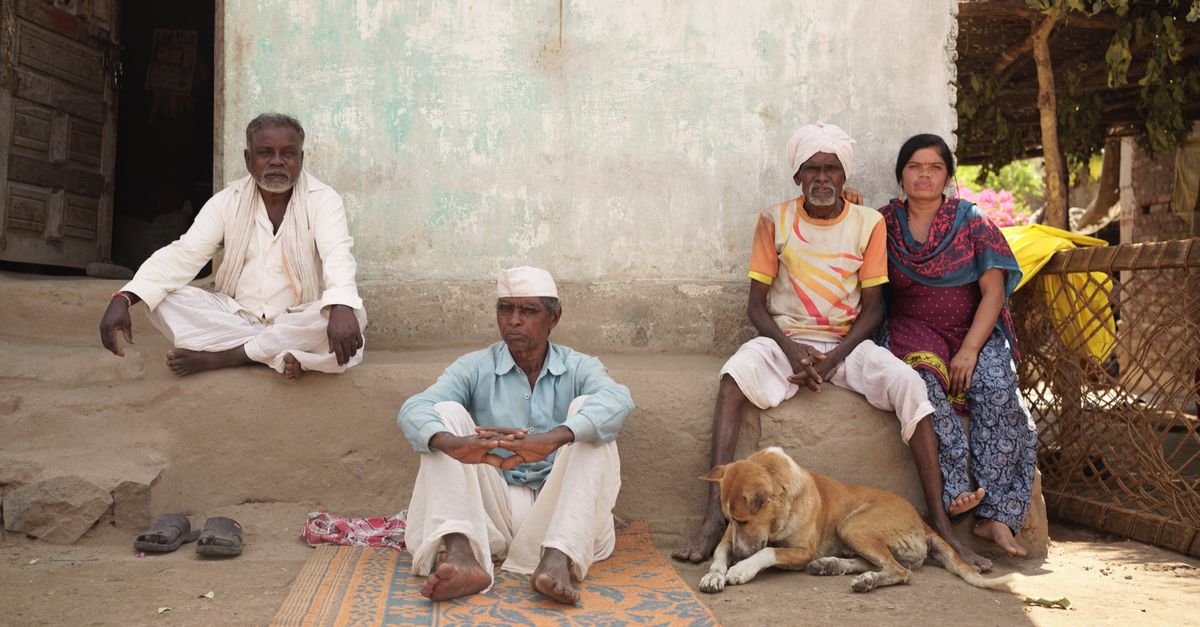
India's health landscape reflects a mix of progress and challenges, with lifestyle diseases rising amid advancements in healthcare access.
India, a nation of over 1.4 billion people, presents a complex health landscape characterized by both significant achievements and persistent challenges. While advancements in healthcare infrastructure and policy reforms have improved access to medical services, the rise of non-communicable diseases (NCDs) and health disparities across regions continue to pose significant concerns.
The Double Burden of Disease
India's health profile is marked by a dual burden: the persistence of infectious diseases alongside a rapid increase in non-communicable diseases. While diseases such as tuberculosis and malaria remain public health concerns, lifestyle diseases like diabetes, hypertension, and heart disease are rising at an alarming rate. According to the World Health Organization, NCDs are responsible for around 63% of all deaths in India, a trend fueled by urbanization, sedentary lifestyles, and dietary changes.
Urban vs. Rural Health Disparities
The disparity between urban and rural healthcare access remains stark. Urban areas, with their proximity to advanced medical facilities and specialists, offer relatively better healthcare services compared to rural regions. In rural India, where about 65% of the population resides, healthcare facilities often suffer from inadequate infrastructure and a shortage of healthcare professionals. This urban-rural divide exacerbates health inequalities, affecting early diagnosis and treatment outcomes.
Government Initiatives and Policies
In response to these challenges, the Indian government has implemented several initiatives aimed at improving healthcare access and quality. The Ayushman Bharat scheme, launched in 2018, aims to provide healthcare coverage to over 500 million underprivileged citizens, focusing on both preventive and curative aspects. This initiative is part of a broader effort to achieve universal health coverage by 2030, as per the Sustainable Development Goals.
Additionally, the National Health Policy 2017 emphasizes increasing public health expenditure and strengthening primary healthcare. However, the implementation of these policies varies significantly across states, leading to uneven progress.
Nutritional Challenges and Malnutrition
Despite economic growth, nutrition remains a critical issue. The National Family Health Survey (NFHS-5) indicates that nearly 35% of children under five are stunted, and about 19% suffer from wasting. Malnutrition is not just a rural problem; urban poor communities also experience high levels of nutritional deficiencies, reflecting socio-economic disparities.
Efforts like the Integrated Child Development Services (ICDS) and Mid-Day Meal Scheme are crucial in combating malnutrition, yet their impact is hindered by implementation challenges and resource constraints.
The Role of Technology and Innovation
Technology is rapidly reshaping India's healthcare landscape. Telemedicine and mobile health applications have become increasingly popular, especially during the COVID-19 pandemic, offering remote consultations and health monitoring. Innovations in medical technology, such as diagnostic tools and wearable health devices, are improving disease management and patient outcomes.
However, the digital divide still poses a barrier, particularly in rural areas where internet access and digital literacy are limited. Bridging this gap is essential to ensure equitable access to tech-driven healthcare solutions.
As India navigates its complex health landscape, a multipronged approach addressing both traditional challenges and modern health threats is crucial. Emphasizing preventive care, improving healthcare infrastructure, and leveraging technology could pave the way for a healthier future. As noted by Dr. Randeep Guleria, former director of AIIMS, "Our focus must shift from treating illness to promoting wellness, ensuring every Indian has the opportunity to live a healthy life."