
Assessing the Health Impact of Swachh Bharat Abhiyan
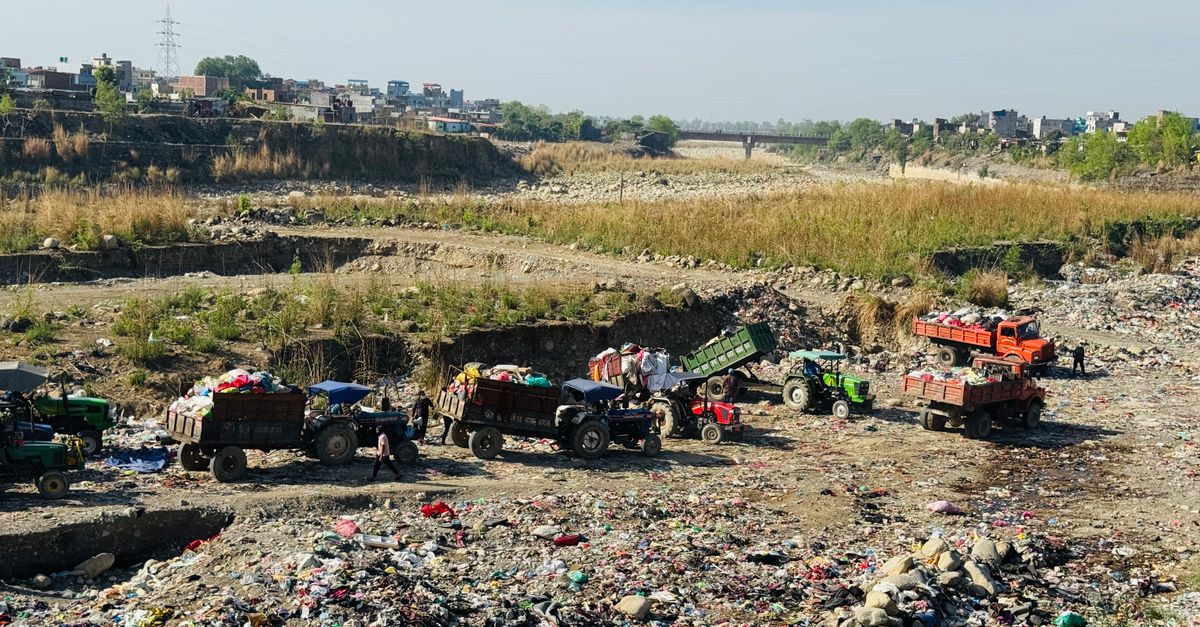
Swachh Bharat Abhiyan, launched in 2014, has transformed sanitation in India, yielding significant public health benefits.
When Prime Minister Narendra Modi launched the Swachh Bharat Abhiyan on October 2, 2014, the goal was ambitious: make India open defecation free and improve sanitation infrastructure across the nation. Over the years, this mission has not only addressed the country's sanitation crisis but also catalyzed a significant shift in public health outcomes.
How Sanitation Improvements Drive Health Gains
Improving sanitation has long been linked with better health outcomes. The Swachh Bharat Abhiyan, by focusing on the construction of toilets and promoting behavioral changes, has directly contributed to reducing diseases related to poor sanitation. According to the World Health Organization, inadequate sanitation is a major cause of diseases worldwide, contributing to the spread of diarrhea, cholera, and dysentery.
Since the inception of the initiative, India has seen a remarkable reduction in cases of diarrhea, a disease primarily caused by poor sanitation and hygiene. The Ministry of Drinking Water and Sanitation reported a 60% decrease in diarrhea cases between 2014 and 2019, attributing this decline to the widespread adoption of improved sanitation facilities.
The Role of Behavioral Change in Health Outcomes
While infrastructure development is a critical component, Swachh Bharat Abhiyan placed a strong emphasis on changing behaviors. Campaigns to educate the public about the benefits of using toilets and maintaining cleanliness have been central to the mission. The use of influential cultural figures and public service announcements have effectively reached millions, fostering a sense of personal responsibility toward hygiene.
This behavioral shift has not only led to a more hygienic environment but has also contributed to breaking the cycle of disease transmission. By reducing open defecation, the initiative has diminished the contamination of water sources, which is a significant vector for disease.
Impacts on Child Health and Mortality
One of the most notable impacts of the Swachh Bharat Abhiyan is its influence on child health. Children are particularly vulnerable to the effects of poor sanitation, with diarrheal diseases being a leading cause of mortality. The improvements in sanitation have correlated with a decline in child mortality rates. UNICEF has noted that proper sanitation can reduce child mortality by up to 40%.
Furthermore, the initiative has had a positive effect on malnutrition rates among children. Frequent bouts of diarrhea can lead to malnutrition, affecting a child's overall development and health. By reducing the incidence of such diseases, children are more likely to achieve better health and nutritional outcomes.
Challenges and Future Directions
Despite these successes, the Swachh Bharat Abhiyan faces ongoing challenges. Maintaining the gains in sanitation requires continuous effort in education and infrastructure maintenance. Rural areas, in particular, still struggle with access to clean water, which is essential for effective sanitation. Additionally, urban areas face the challenge of managing waste effectively, a problem that has grown alongside increasing urbanization.
Looking forward, the mission must continue to adapt to new challenges, integrating modern technologies and sustainable practices. Initiatives such as smart waste management systems and water recycling can provide sustainable solutions to these ongoing challenges. Moreover, continuous education and community engagement are vital to ensure that the behavioral changes are permanent.
The Swachh Bharat Abhiyan has set a precedent for public health initiatives, demonstrating the profound impact that targeted sanitation improvements can have on health outcomes. As India moves forward, sustaining and expanding upon these achievements will be crucial in shaping a healthier future for the nation.