
Arthroscopic Knee Surgeries Linked to Pseudoaneurysm Risks: Study
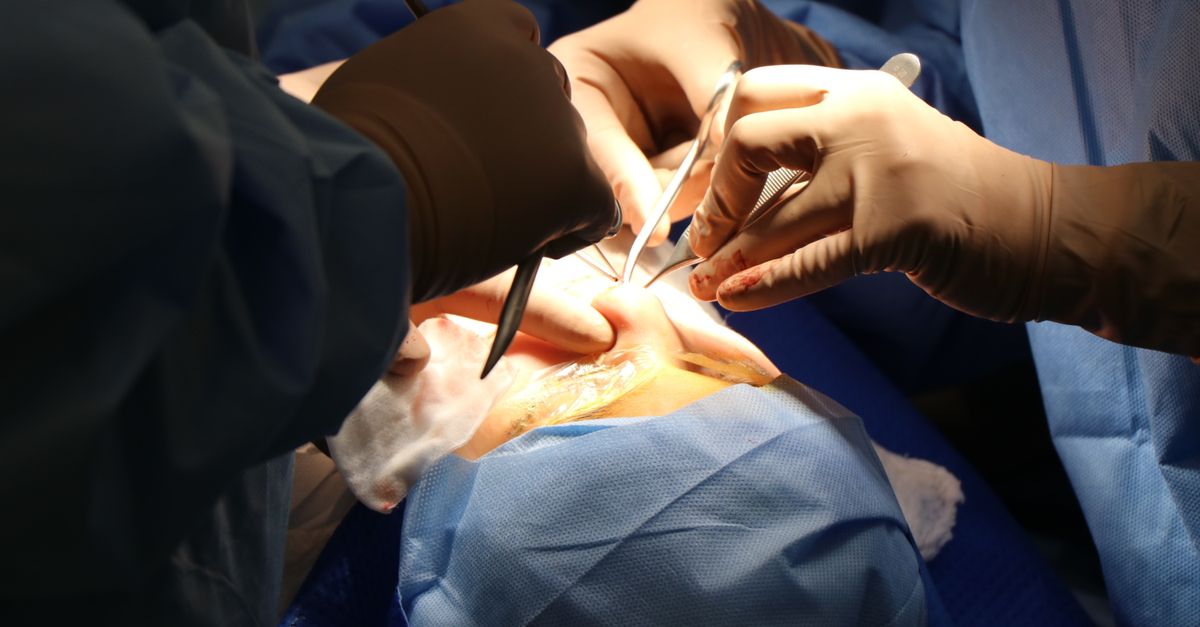
A systematic review highlights the risks of pseudoaneurysm following arthroscopic knee procedures, detailing affected vessels and treatment outcomes.
A recent systematic review published in Cureus sheds light on the occurrence of iatrogenic pseudoaneurysms following arthroscopic knee procedures. The study meticulously examines the features, injured vessels, management strategies, and outcomes associated with these rare but significant complications.
Identifying the Risk Factors
The review highlights that while arthroscopic knee surgeries are generally considered safe, there exists a risk of developing pseudoaneurysms due to inadvertent vessel injury. Pseudoaneurysms, which are false aneurysms, occur when a blood vessel wall is injured, leading to blood leaking and pooling outside the vessel. This condition can result in swelling, pain, and in severe cases, can threaten limb viability.
The study identifies that the popliteal artery is the most frequently injured vessel during these procedures. The risk of injury may increase with complex surgeries or when operating in areas with dense vascular networks. Surgeons are urged to maintain a high level of vigilance during and after procedures to detect early signs of vascular injury.
Management and Treatment Approaches
Management of pseudoaneurysms often involves a combination of surgical and non-surgical approaches. The review indicates that ultrasound-guided compression and thrombin injection are commonly employed non-invasive methods. These techniques are beneficial in cases where the pseudoaneurysm is small and accessible.
For larger or more complex cases, surgical intervention may be necessary. Options include open surgical repair or endovascular techniques, which may involve stent placement to restore normal blood flow. The choice of treatment depends on the size, location, and severity of the pseudoaneurysm, as well as the overall health of the patient.
Outcomes and Recommendations
The outcomes for patients with iatrogenic pseudoaneurysms vary based on the timeliness and appropriateness of the treatment. Early detection and intervention are crucial for minimizing complications and improving prognosis. The review underscores the importance of thorough preoperative planning and postoperative monitoring to identify any signs of vascular injury swiftly.
In conclusion, the study calls for heightened awareness among orthopedic surgeons regarding the potential for pseudoaneurysms post-arthroscopic knee procedures. It also highlights the need for further research to develop standardized protocols that can aid in the prevention and management of this complication.