
Antifungal Treatments Enhance Microbiome in IBD Patients
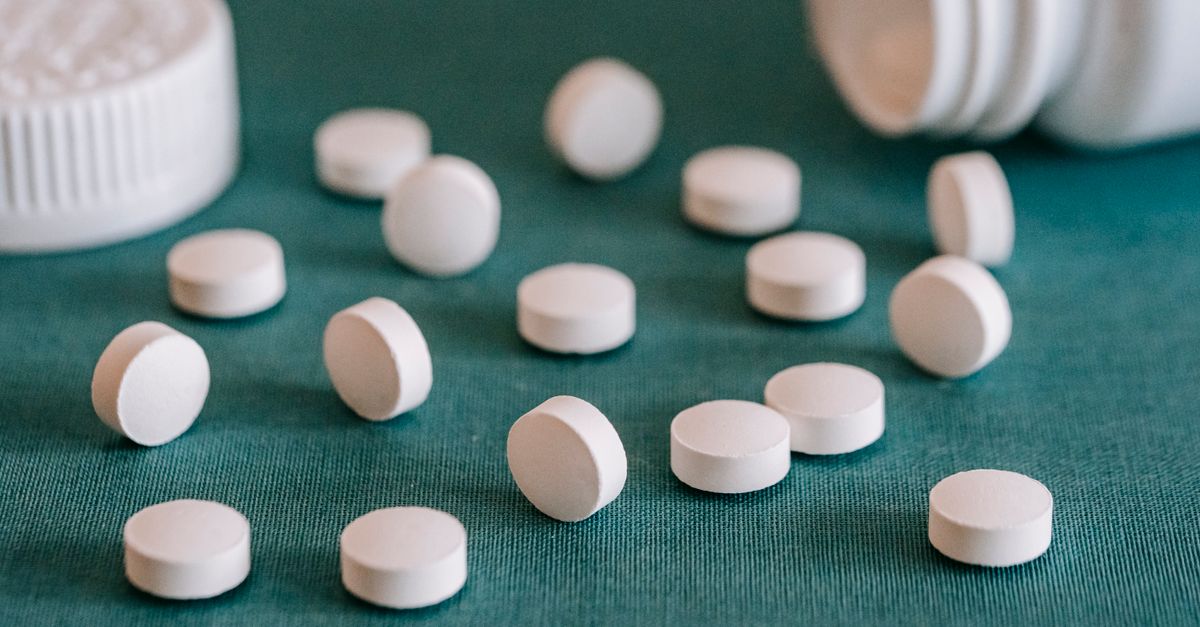
New research highlights how antifungal drugs may benefit gut health in IBD sufferers.
Recent research published in Nature reveals that antifungal therapy could significantly alter microbiome dynamics in patients with inflammatory bowel disease (IBD). This study sheds light on the potential benefits of targeting fungal elements in the gut microbiome to improve health outcomes for those suffering from IBD.
Study Explores Gut Microbiome and IBD
The research team focused on the complex interactions between fungi and bacteria within the gut microbiome of IBD patients. They hypothesized that certain fungal populations might exacerbate inflammation and sought to determine whether antifungal treatments could mitigate these effects. By examining the microbiome composition before and after antifungal therapy, the study aimed to clarify the role fungi play in IBD.
Antifungal Therapy Shows Promising Results
Participants in the study received a course of antifungal medication, which led to a noticeable decrease in specific fungal populations linked to inflammation. The researchers observed a corresponding improvement in gut bacterial health, suggesting that reducing harmful fungi may promote a more balanced microbiome. These findings open new avenues for using antifungal drugs as a supplementary treatment for IBD.
Potential Implications for IBD Management
Inflammatory bowel disease, which includes conditions such as Crohn's disease and ulcerative colitis, affects millions worldwide. Current treatment options often focus on managing symptoms rather than addressing underlying microbial imbalances. The study's results suggest that incorporating antifungal therapy could enhance existing treatment protocols, potentially offering better disease management and improved quality of life for patients.
While the findings are promising, the researchers caution that further studies are needed to fully understand the long-term effects and optimal application of antifungal treatments in IBD care. The study marks a step forward in exploring how microbiome-targeted therapies can complement traditional medical approaches.