
Antibody–Drug Conjugate Safety: Tackling Toxicities by 2026
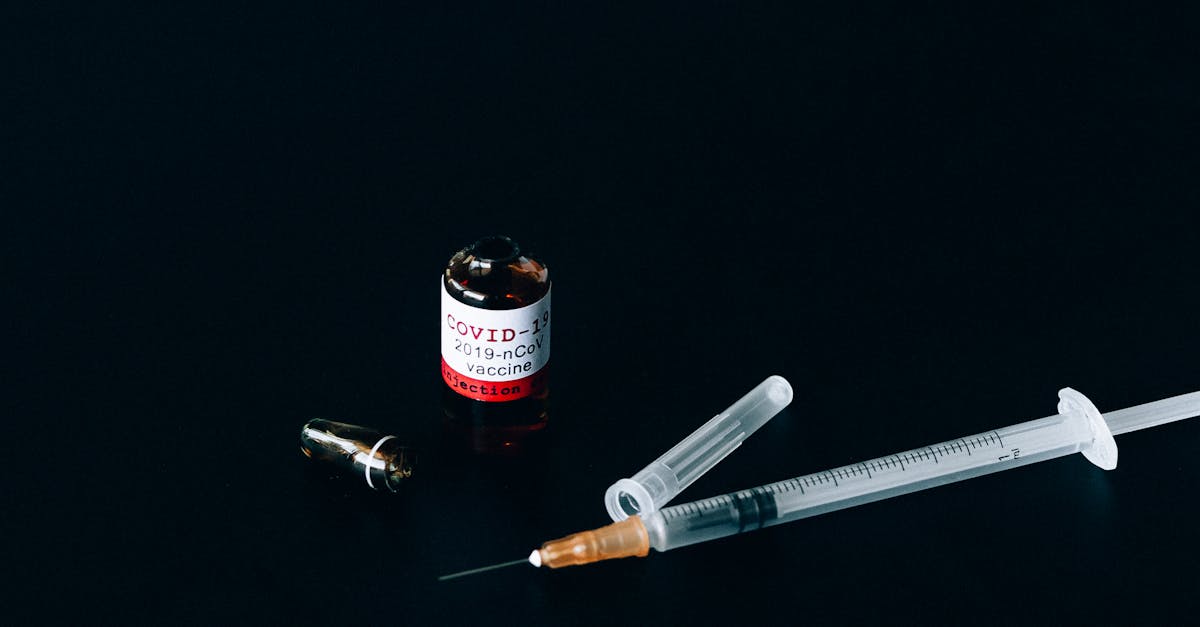
New strategies for managing antibody-drug conjugate toxicities aim to enhance patient safety by 2026, focusing on improved mechanisms and monitoring.
As the medical community continues to advance cancer treatment options, antibody-drug conjugates (ADCs) have emerged as a promising approach. However, managing their associated toxicities remains a critical challenge. By 2026, researchers and healthcare providers are expected to implement enhanced strategies to optimize ADC safety, focusing on understanding mechanisms, improving monitoring, and refining management techniques.
Understanding ADC Mechanisms
The unique structure of ADCs, combining an antibody with a cytotoxic drug, allows for targeted cancer cell destruction. Despite their potential, the complexity of this mechanism can lead to unintended side effects. Researchers are intensifying efforts to decode the precise interactions between the components of ADCs and their biological targets. This understanding is crucial for developing safer and more effective ADCs.
Enhanced Monitoring Techniques
Monitoring the effects of ADCs on patients is essential for early detection of toxicities. By 2026, advancements in biomarker technology are expected to play a significant role in this area. Biomarkers can offer real-time insights into how a patient's body is responding to ADC treatment, enabling healthcare providers to make timely adjustments. Additionally, machine learning algorithms are being explored to predict potential toxicities based on patient data, which could revolutionize personalized treatment plans.
Management of Toxicities
Effective management of ADC-induced toxicities is paramount for patient safety. Current management strategies often involve dose adjustments or discontinuation of therapy, which can impact treatment efficacy. Innovations in supportive care, including novel pharmacological interventions and improved patient monitoring protocols, are anticipated to minimize the impact of these toxicities. Collaborative efforts between oncologists, pharmacologists, and researchers are crucial to developing these strategies.
The future of ADC therapy looks promising with these advancements on the horizon. By addressing the challenges of toxicity, the medical field aims to maximize the therapeutic potential of ADCs while ensuring patient safety. As we move closer to 2026, the integration of cutting-edge research and clinical practices will be vital in overcoming these hurdles.