
Antibiotic Misuse: A Growing Threat to Public Health
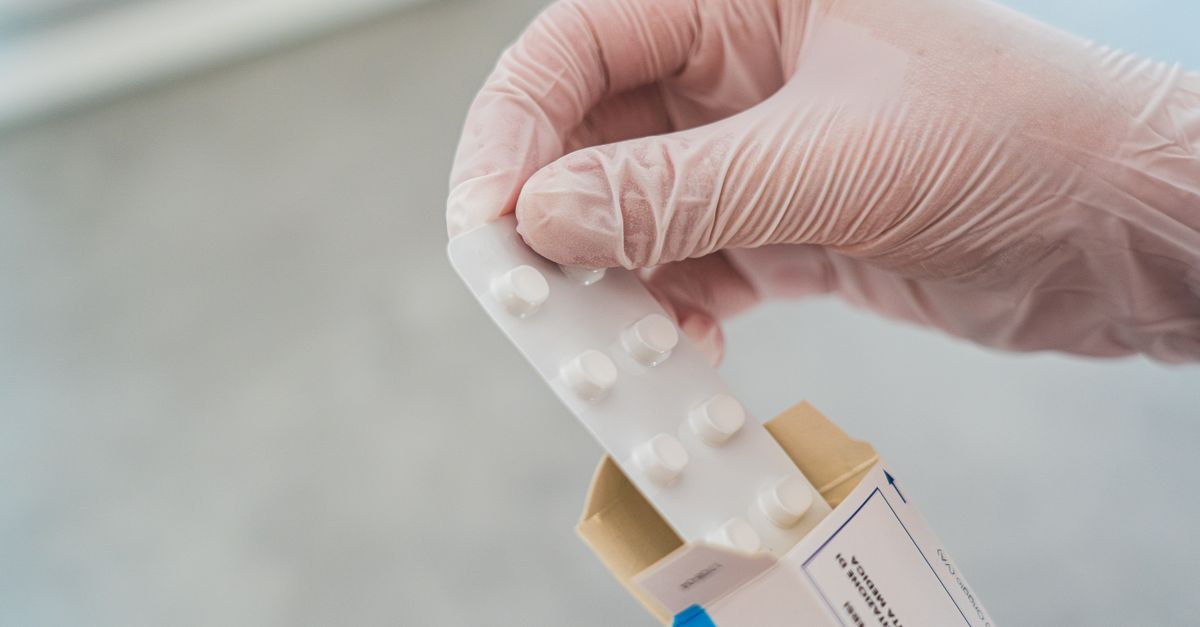
Antibiotic misuse accelerates bacterial resistance, posing a critical threat to global health systems and patient safety.
Antibiotics have transformed modern medicine, saving countless lives from bacterial infections that were once considered death sentences. However, the misuse and overuse of these drugs are now posing a grave threat to public health. The emergence of antibiotic-resistant bacteria is a result of decades of careless prescribing, non-compliance to treatment regimens, and the use of antibiotics in agriculture. As resistant strains proliferate, the efficacy of antibiotics diminishes, leading to longer hospital stays, higher medical costs, and increased mortality.
Why Antibiotic Resistance Is Worrying Experts
The World Health Organization (WHO) has repeatedly warned about the rapid increase in antibiotic-resistant bacteria. According to a 2019 report, antibiotic resistance could cause 10 million deaths annually by 2050 if no action is taken. The misuse of antibiotics promotes the evolution of 'superbugs' that standard treatments cannot kill. These infections, such as methicillin-resistant Staphylococcus aureus (MRSA) and multidrug-resistant Mycobacterium tuberculosis, are already causing more complicated and costly healthcare challenges.
Antibiotic resistance emerges naturally over time, usually through genetic changes. However, the misuse of antibiotics in humans and animals accelerates the process. A significant part of the problem lies in inappropriate prescriptions. For instance, antibiotics are often prescribed for viral infections like the common cold, against which they are ineffective. This misuse promotes resistance, reducing the drugs’ efficacy for future bacterial infections.
The Role of Agriculture in Antibiotic Misuse
Agricultural practices are another critical area contributing to antibiotic misuse. In many countries, antibiotics are used not only to treat sick animals but also to promote growth and prevent disease in healthy ones. The United States, for instance, uses more antibiotics in livestock than in humans. This widespread use of antibiotics in agriculture can lead to the development of resistant bacteria, which can then be transferred to humans through the food chain, direct contact, or environmental spread.
Efforts to control this misuse have been implemented in some regions. The European Union, for example, has banned the use of antibiotics for growth promotion in animals since 2006. However, global cooperation and stricter regulations are needed to make a significant impact. The issue is complex, involving economic, regulatory, and cultural challenges that must be addressed collectively by governments, health organizations, and agricultural sectors worldwide.
Tackling the Misuse: A Multifaceted Approach
Addressing antibiotic misuse requires a multifaceted approach. Education is a crucial element; both healthcare providers and patients need to understand the implications of misuse. Physicians must be judicious in prescribing antibiotics and consider alternative treatments where appropriate. Patients, on the other hand, need to adhere to prescribed treatments and avoid pressuring doctors for antibiotics when they are not necessary.
Governments and health organizations must also play a more active role. Implementing robust surveillance systems to monitor antibiotic use and resistance patterns can help in crafting targeted interventions. Policies that limit the availability of over-the-counter antibiotics and regulate their use in agriculture are essential. Furthermore, funding research for new antibiotics and alternative treatments, such as bacteriophages, should be a priority.
A Call to Action for the Future
The threat of antibiotic resistance is not just a future concern; it is a current crisis that requires immediate attention. Without concerted global efforts, we risk returning to a pre-antibiotic era where common infections become untreatable. As Dr. Tedros Adhanom Ghebreyesus, Director-General of WHO, aptly put it, "Antimicrobial resistance is one of the most urgent health risks of our time and threatens to undo a century of medical progress." The time to act is now, with a unified strategy that includes public education, policy regulation, and scientific innovation to safeguard the effectiveness of these vital drugs for future generations.