
Analytical Similarity Key in Monoclonal Antibody Development
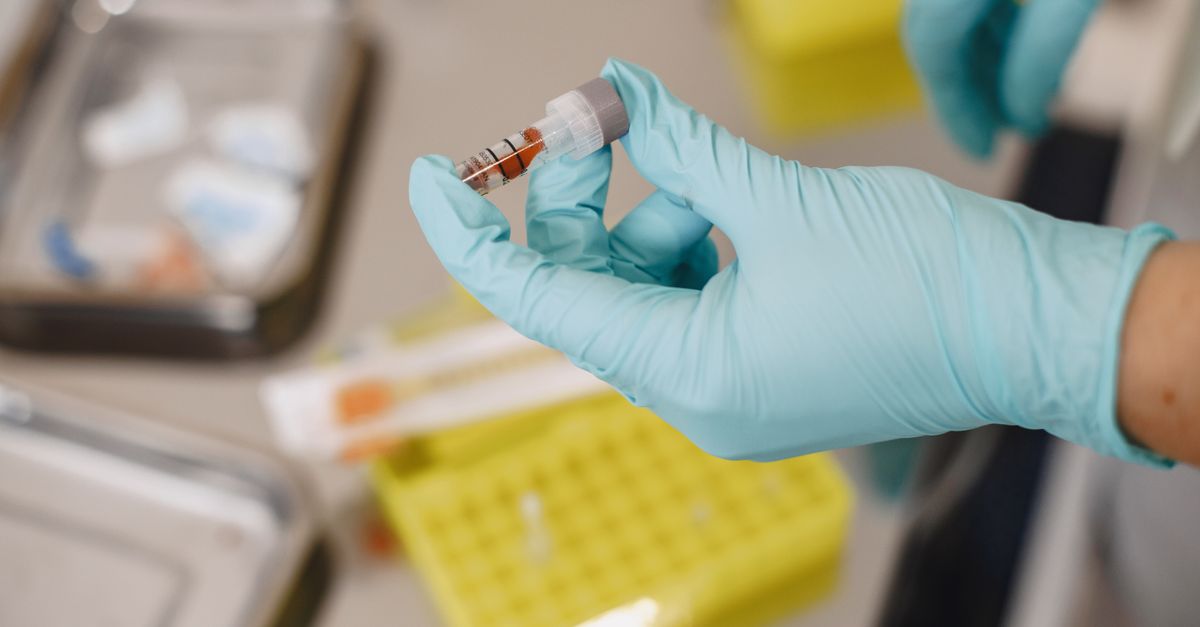
Focus on analytical similarity could streamline monoclonal antibody approvals, enhancing efficiency.
In the realm of biopharmaceuticals, analytical similarity is emerging as a pivotal factor in the development and regulatory approval of monoclonal antibodies. This approach promises to streamline the process, potentially reducing the time and resources needed to bring these critical therapies to market.
Regulatory Shift Towards Analytical Evidence
Traditionally, the approval of monoclonal antibodies has relied heavily on extensive clinical trials to demonstrate efficacy and safety. However, recent discussions within regulatory bodies suggest a shift towards prioritizing analytical similarity. This method involves a comprehensive comparison of a biosimilar candidate with its reference product, focusing on structural and functional characteristics.
By emphasizing analytical data, regulatory frameworks can become more evidence-efficient. This shift not only accelerates the approval process but also reduces the reliance on costly and time-consuming clinical trials. As monoclonal antibodies are complex biologics, ensuring their similarity at a molecular level is crucial for maintaining the therapeutic effect.
Implications for the Biopharmaceutical Industry
This new regulatory focus could have significant implications for the biopharmaceutical industry. Companies developing biosimilars may experience reduced development costs and faster time-to-market. This could lead to increased competition and accessibility, ultimately benefiting patients through lower drug prices and improved availability.
Moreover, the adoption of analytical similarity as a primary determinant aligns with global efforts to harmonize regulatory standards. It encourages innovation and collaboration among industry stakeholders, fostering a more dynamic and responsive healthcare environment.
Challenges and Considerations
Despite the potential benefits, there are challenges associated with this shift. Ensuring the precision and accuracy of analytical methods is paramount, as any discrepancies could impact the safety and efficacy of the biosimilar. Regulatory agencies must establish robust guidelines to oversee these evaluations, ensuring that they are conducted consistently and transparently.
Additionally, while analytical similarity can streamline the process, it does not entirely eliminate the need for clinical data. Safety and immunogenicity assessments remain crucial components of the regulatory approval process, particularly for novel biosimilars entering the market.
As the industry navigates these changes, continuous dialogue between regulators, manufacturers, and healthcare professionals will be essential. This collaboration will help refine the frameworks necessary to support the safe and efficient development of monoclonal antibodies, balancing innovation with patient safety.