
Albuquerque's Healthcare Innovation: Expanding Modern Access
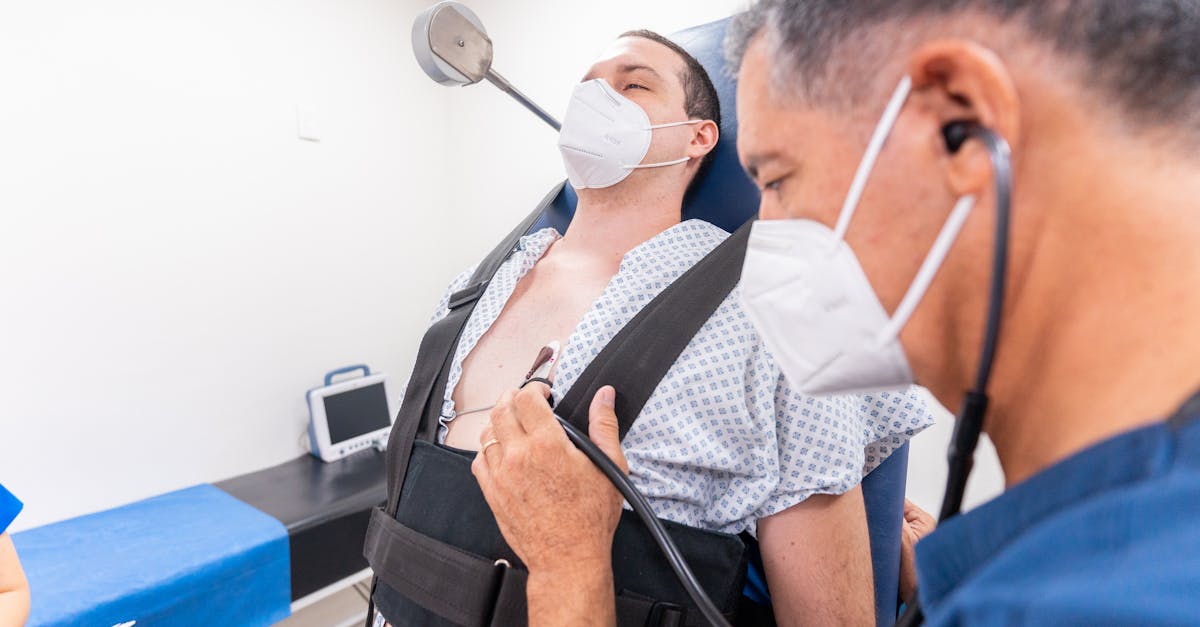
Albuquerque is pioneering new methods to expand healthcare access, potentially reshaping the US healthcare landscape.
In Albuquerque, New Mexico, a transformation is underway that could serve as a model for improving healthcare access across the United States. With its unique mix of public and private initiatives, the city is addressing gaps in healthcare delivery through innovative approaches, setting a precedent for other regions grappling with similar challenges.
Harnessing Technology to Bridge Gaps
Albuquerque's healthcare ecosystem is leveraging technology to enhance patient care and streamline operations. Local health systems, such as Presbyterian Healthcare Services and the University of New Mexico Health System, have adopted advanced electronic health record (EHR) systems that integrate with telehealth platforms. This integration allows healthcare providers to offer virtual consultations, reducing the need for in-person visits and increasing access for rural populations.
Telehealth usage surged during the COVID-19 pandemic, and Albuquerque has continued to expand these services. By utilizing platforms that comply with HIPAA regulations, these health systems ensure secure and confidential patient interactions. This digital transformation not only improves accessibility but also aligns with the Centers for Medicare & Medicaid Services (CMS) initiatives aimed at promoting telehealth as a cost-effective alternative.
Community-Based Programs Drive Change
Beyond technology, Albuquerque is investing in community-based programs to address social determinants of health. The city has launched initiatives focused on preventive care and chronic disease management, targeting underserved populations. For instance, the Albuquerque Health Care for the Homeless program provides integrated services that include medical, dental, and behavioral health care, directly addressing barriers to access.
Moreover, partnerships between local governments, non-profits, and healthcare providers are fostering a collaborative approach to health equity. These programs are supported by funding from the Health Resources and Services Administration (HRSA), ensuring that resources are directed where they are most needed.
Innovative Funding Models
The financial sustainability of Albuquerque's healthcare initiatives relies on innovative funding models. The New Mexico Medicaid program, in collaboration with private insurers, is piloting value-based care models that incentivize quality over quantity. These models focus on outcomes and patient satisfaction, rewarding providers for achieving specific health benchmarks.
Additionally, federal grants and local investments are supporting the development of community health centers and expanding services to marginalized groups. By aligning with Affordable Care Act (ACA) goals, Albuquerque is not only improving healthcare access but also reducing overall costs through preventive care.
Education and Workforce Development
Addressing healthcare access requires a robust workforce, and Albuquerque is investing in education and training to meet this demand. The University of New Mexico School of Medicine is expanding its programs to train more primary care physicians, nurses, and allied health professionals. These efforts aim to fill gaps in the workforce, particularly in rural and underserved areas.
Furthermore, initiatives like the New Mexico Health Extension Rural Offices (HERO) program are working to recruit and retain healthcare professionals in remote communities. By offering incentives such as student loan forgiveness and competitive salaries, these programs are increasing the availability of skilled healthcare workers where they are most needed.
A Model for National Adoption?
Albuquerque's comprehensive approach to expanding healthcare access through technology, community engagement, innovative financing, and workforce development presents a promising model for other cities. As the United States continues to grapple with healthcare disparities, the lessons learned from Albuquerque could guide national efforts to create a more equitable healthcare system.
"The challenges we face in healthcare are universal, but the solutions need to be local," said a spokesperson from Presbyterian Healthcare Services. This sentiment underscores the potential for Albuquerque's innovations to inspire change beyond New Mexico, offering a blueprint for tackling healthcare access challenges nationwide.