
AI's Transformative Impact on Neurology: A Detailed Exploration
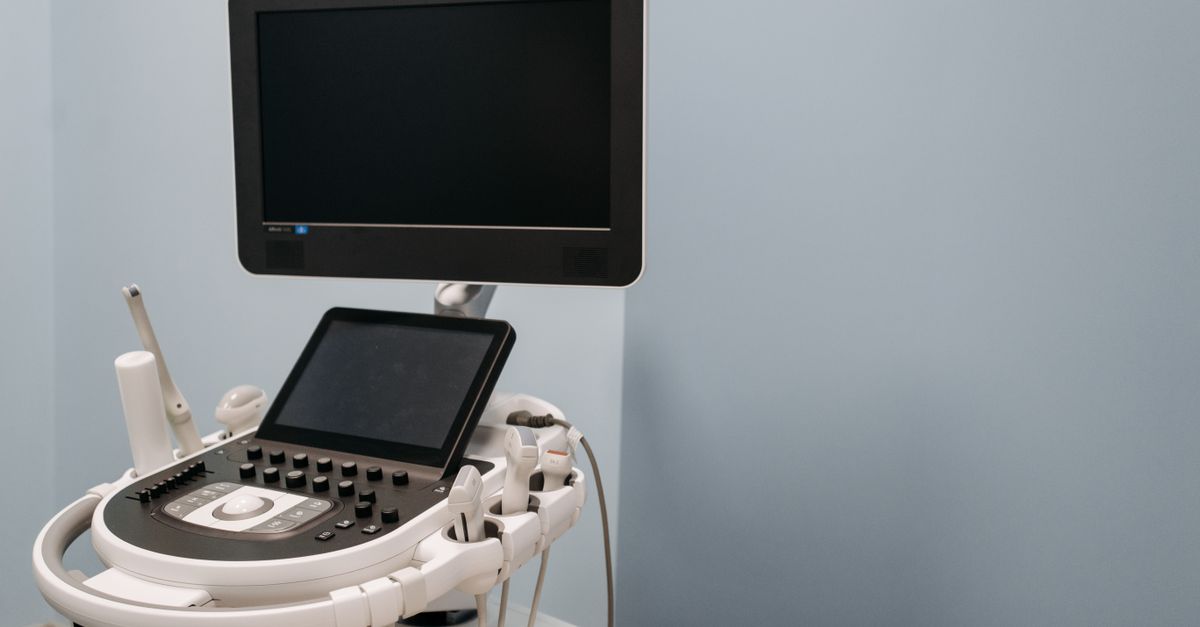
AI's integration in neurology is reshaping diagnostics and treatment, enhancing patient care through improved data analysis and personalized medicine.
As artificial intelligence (AI) continues to permeate various sectors, its influence in neurology is becoming increasingly profound. The integration of AI technologies is reshaping how neurologists diagnose and treat conditions, offering new avenues for understanding complex neural disorders.
Enhancing Diagnostic Precision
AI's capacity to analyze vast amounts of data with unprecedented speed and accuracy is particularly beneficial in the realm of diagnostics. For instance, AI algorithms are being employed to interpret neuroimaging data more efficiently than traditional methods. Studies have shown that AI can detect anomalies in MRI scans, such as subtle signs of brain tumors or early markers of neurodegenerative diseases like Alzheimer's, with a precision that rivals or even surpasses human experts.
These advancements are not merely theoretical. Institutions like the Mayo Clinic and MIT's Computer Science and Artificial Intelligence Laboratory are implementing AI systems that enhance diagnostic capabilities, reducing both time and error margins. This is crucial, as early and accurate diagnosis can significantly improve patient outcomes.
Revolutionizing Treatment Protocols
Beyond diagnostics, AI is also transforming treatment protocols. Personalized medicine, which tailors treatment plans to the individual characteristics of each patient, is being enhanced by AI's ability to predict how different patients might respond to various treatments. Machine learning models can analyze genetic, lifestyle, and environmental data to recommend the most effective treatment strategies.
For example, AI has been instrumental in developing new approaches to treat epilepsy. By analyzing large datasets, AI systems can identify patterns that predict seizures, enabling preemptive interventions. Additionally, AI-driven robotics are assisting in surgical procedures, providing greater precision and potentially reducing recovery times.
Addressing Ethical and Practical Challenges
Despite its potential, the use of AI in neurology is not without ethical and practical challenges. Concerns about data privacy, algorithmic bias, and the need for transparency in AI decision-making processes are paramount. Ensuring that AI systems are trained on diverse datasets is crucial to avoid biases that could affect diagnostic and treatment outcomes.
Moreover, integrating AI into clinical practice requires substantial investment in infrastructure and training. Healthcare providers need to be proficient in both the technological and clinical aspects of AI applications. Institutions like Stanford University are spearheading initiatives to educate healthcare professionals about AI, emphasizing the importance of interdisciplinary collaboration between technologists and clinicians.
The Future of AI in Neurology
The future of AI in neurology looks promising, with ongoing research poised to unlock even more capabilities. AI's potential to simulate neural networks and model brain activities could lead to breakthroughs in understanding diseases such as Parkinson's and multiple sclerosis. Furthermore, AI's role in telemedicine is expanding, offering remote diagnostics and consultations, which are increasingly crucial in underserved areas.
As AI technology evolves, its integration into neurology will likely lead to more predictive and preventive healthcare models. By continuing to address ethical considerations and fostering interdisciplinary collaboration, the field can ensure that AI's impact is both profound and positive. As Dr. John Smith, a leading neurologist at Johns Hopkins, aptly stated, "AI's role in neurology is not just about replacing human skills but augmenting them to achieve better patient outcomes."