
Air Pollution's Silent Assault on Public Health
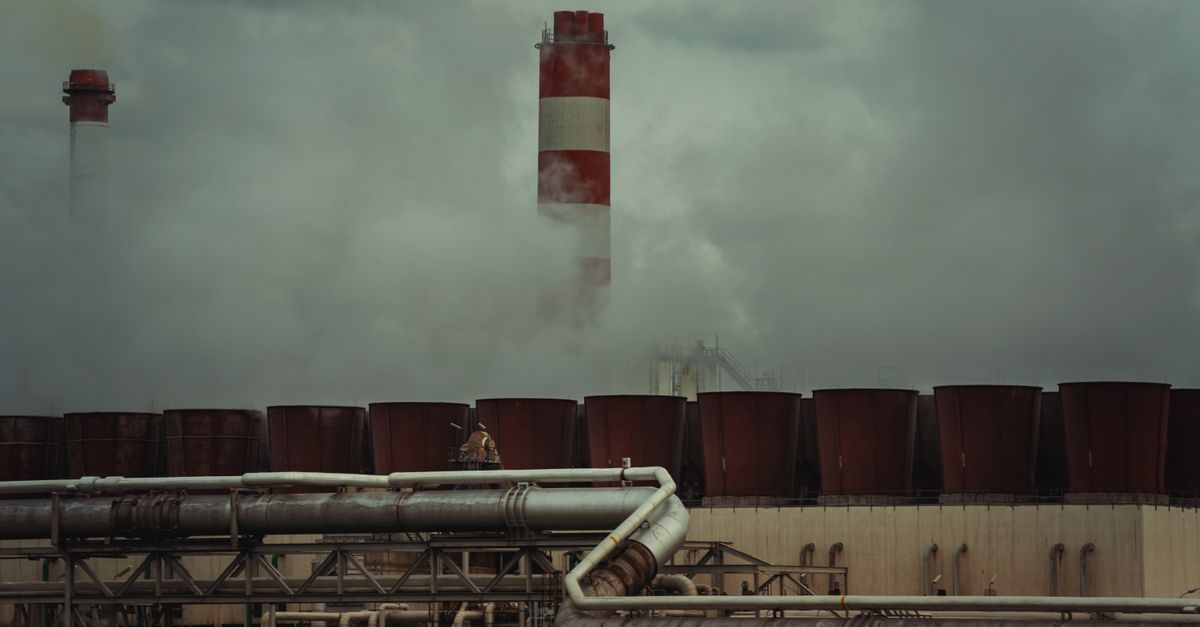
Air pollution is a major public health crisis, linking to diseases like asthma, heart conditions, and even mental health issues.
Every breath we take is increasingly tainted by pollutants that invisibly permeate the air we depend on. The World Health Organization (WHO) estimates that air pollution is responsible for approximately seven million deaths annually, making it one of the most significant environmental health risks facing humanity today. As urbanization continues to escalate, understanding the health implications of air pollution becomes critically important.
How Air Pollution Affects Human Health
Airborne pollutants, including particulate matter (PM), nitrogen dioxide (NO2), and sulfur dioxide (SO2), infiltrate the respiratory system, causing a cascade of health issues. Particulate matter, especially PM2.5, is small enough to penetrate deep into the lungs and even enter the bloodstream. This can lead to respiratory diseases such as asthma and chronic obstructive pulmonary disease (COPD), as well as cardiovascular conditions.
Furthermore, recent studies have shown a connection between air pollution and neurological health. Exposure to high levels of pollution has been linked to cognitive decline and an increased risk of neurodegenerative diseases such as Alzheimer's. Children exposed to polluted air may experience developmental delays and reduced IQ levels, highlighting the long-term impact of air quality on future generations.
The Economic Burden of Poor Air Quality
The economic implications of air pollution are as severe as its health impacts. According to a 2020 report by the Centre for Research on Energy and Clean Air, air pollution costs the global economy approximately $2.9 trillion annually. These costs arise from healthcare expenses, lost labor productivity, and reduced agricultural yields. In particular, countries with rapidly industrializing economies, like China and India, face significant challenges balancing economic growth with environmental health.
Healthcare systems are overwhelmed by the burden of treating pollution-related diseases. In the United States, air pollution-related health issues account for thousands of hospital visits and billions in healthcare spending each year. The economic strain extends beyond direct medical costs, as affected individuals often suffer from reduced quality of life and diminished earning potential.
Policy Measures and Technological Innovations
Governments worldwide are increasingly recognizing the urgent need for policy interventions to combat air pollution. The European Union has implemented stringent emissions standards for vehicles and industrial operations, while China has made significant strides in reducing air pollution through policies targeting coal consumption and vehicle emissions.
Technological innovations also play a crucial role in addressing air pollution. The development of electric vehicles, renewable energy sources, and advanced air filtration systems offers promising solutions. For instance, solar and wind energy technologies not only reduce reliance on fossil fuels but also help in curbing emissions substantially.
Community Involvement and Grassroots Movements
While policy and technology are vital, community involvement remains essential in the fight against air pollution. Grassroots movements and non-governmental organizations are actively raising awareness and advocating for cleaner air. Initiatives such as car-free days and urban green spaces encourage public participation and help to reduce urban air pollution.
Educational campaigns aimed at informing the public about the health risks of air pollution can empower citizens to demand change. As awareness grows, so does the pressure on policymakers to enact more robust environmental protections.
A Breath of Fresh Air for the Future
The path to reducing air pollution is fraught with challenges, but it is not insurmountable. By adopting comprehensive strategies that integrate policy, technology, and community action, societies can mitigate the health risks associated with polluted air. As Dr. Maria Neira, Director of Public Health and Environment at WHO, states, "Investing in cleaner air is an investment in our health, our economies, and our future."