
The Invisible Trigger: Air Pollution's Role in Migraine Surges Across India
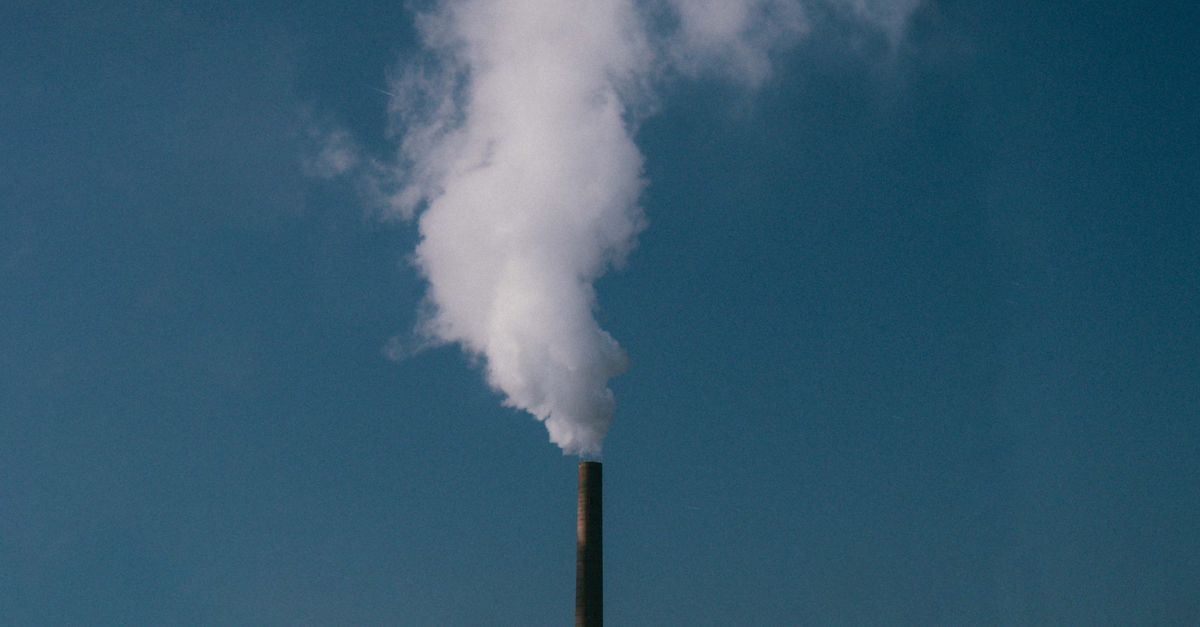
Rising air pollution in India is increasingly linked to a surge in migraine cases, affecting millions and straining healthcare resources.
As India grapples with escalating air pollution levels, a new health concern is emerging from the haze: an alarming rise in migraine cases. Millions of Indians are now experiencing debilitating headaches, with studies suggesting that air quality may be a significant trigger. This connection is intensifying the public health challenge, as migraines add to the already heavy burden on the healthcare system.
Why Air Quality Matters for Migraine Sufferers
Research indicates that pollutants such as particulate matter (PM2.5), nitrogen dioxide (NO2), and sulfur dioxide (SO2) are not only harmful to respiratory health but may also exacerbate neurological conditions like migraines. A study published in the Journal of Headache and Pain found a correlation between high pollution days and an increased frequency of migraine attacks in urban areas like Delhi and Mumbai, where air quality often plunges to hazardous levels.
These findings are supported by anecdotal evidence from healthcare providers. Dr. Anjali Mehta, a neurologist based in Delhi, notes, "We are seeing more patients who report that their migraines worsen on days when the air quality index is poor. This suggests a direct link between pollution and migraine severity."
Health Implications and Economic Costs
The health implications of this trend are profound. Migraines are not just headaches; they are neurological events that can lead to severe pain, nausea, and visual disturbances, often incapacitating sufferers for hours or even days. The economic impact is equally significant, as migraines contribute to decreased productivity and increased healthcare costs. A report by the World Health Organization (WHO) estimates that migraines are one of the leading causes of disability, affecting over 20% of the global population and costing billions in lost labor and healthcare expenses.
In India, where healthcare resources are already stretched thin, the additional burden of treating migraine patients further strains the system. Many sufferers seek emergency care during severe attacks, leading to overcrowded hospitals and increased pressure on medical staff.
Government and Community Responses
The Indian government has initiated measures to combat air pollution, including stricter emission standards and promoting public transportation. However, more direct actions targeting health outcomes related to pollution are necessary. Public health campaigns focusing on the link between air quality and migraines could raise awareness and drive policy changes.
In addition, community-led initiatives are gaining traction. Local groups in cities like Kolkata and Bangalore are advocating for green spaces and air purification systems in urban planning. These grassroots efforts aim to mitigate pollution's impact on health by creating environments that reduce exposure to harmful pollutants.
Potential Solutions and Future Directions
Addressing the surge in migraines triggered by air pollution requires a multifaceted approach. Improving air quality is paramount, but healthcare providers also need to develop strategies to better manage the condition among those affected. This includes updating treatment protocols to consider environmental factors and providing education on preventive measures.
Moreover, leveraging technology could offer new solutions. Mobile apps that track air quality in real-time and alert users to potential migraine triggers are being tested. These tools empower individuals to make informed decisions about outdoor activities during high pollution periods.
As awareness grows, the need for integrated policy measures that address both environmental and health issues becomes clearer. India's challenge will be to balance economic growth with sustainable practices that safeguard public health. The situation calls for urgent attention, as every breath taken in India's cities is a potential trigger for millions of migraine sufferers.