
AI Transforms Cancer Detection and Treatment with Innovative Tools
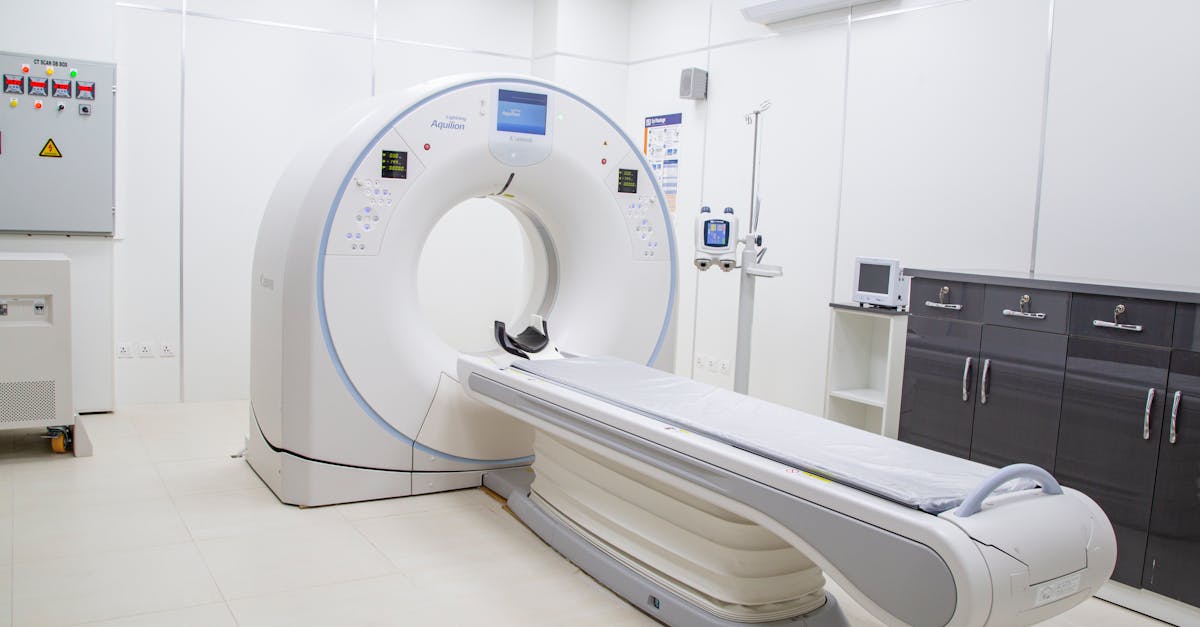
AI-driven blood tests and digital twins offer new hope in cancer diagnostics and personalized treatment, led by Debarka Sengupta's team in Delhi.
In a significant advancement for cancer research, artificial intelligence (AI) is being harnessed to tackle the complex challenges of cancer detection and treatment. At the forefront of this effort is Debarka Sengupta, associate dean of Innovation, Research and Development at Indraprastha Institute of Information Technology Delhi (IIIT-Delhi). Sengupta's team is utilizing AI in conjunction with genomics to improve early cancer detection, understand tumor behavior, and tailor treatments to individual patients.
Revolutionizing Cancer Detection
Sengupta's laboratory has developed an innovative 11-gene blood test that leverages platelet RNA to screen for multiple types of cancer. This test, unlike the costly genome sequencing technologies, is designed to operate on RT-qPCR machines, which were extensively used across India during the COVID-19 pandemic. This approach aims to make cancer screening more affordable and accessible, particularly in regions with limited resources.
"The ability to run this test in qPCR-equipped labs, which became widespread during COVID-19, could revolutionize cancer diagnostics in India," Sengupta noted. The team is also exploring methods to detect circulating tumor cells in triple-negative breast cancer, which involves identifying rare cancer cells in blood samples using a combination of molecular biology, microfluidics, and AI.
Personalized Treatment Through AI
Beyond detection, Sengupta's research is focused on developing AI models that predict how individual cancers might respond to various treatments. This could potentially reduce the reliance on the current trial-and-error approach in oncology. Through a startup named GeneSilico, the team is creating an "Agentic Digital Twin," a virtual model that integrates a patient's molecular profile, clinical history, tumor biology, and treatment guidelines. This tool aims to assist oncologists in evaluating treatment options more effectively.
"Our goal is not to replace doctors," Sengupta emphasized. "We aim to provide them with a deeper evidence layer to understand which therapies are biologically plausible and have strong scientific backing." Despite the rapid progress, Sengupta cautions that AI is still far from being an independent decision-maker in medical settings. Rigorous clinical validation and regulatory oversight are essential for these technologies to become integrated into everyday medical practice.
The Future of AI in Oncology
Looking ahead, Sengupta's laboratory plans to further validate blood-based cancer detection methods and refine AI systems that predict drug responses using genomic and clinical data. The vision is to make cancer care more personalized, evidence-based, and accessible. This could lead to a future where cancer patients benefit from continuous updates to their disease profiles using blood tests, imaging, and genetic information, allowing treatments to evolve as the cancer itself changes.
Sengupta believes that India's molecular testing infrastructure, established during the COVID-19 pandemic, offers a unique opportunity to support affordable cancer diagnostics if these technologies are successfully translated into clinical use. He argues that AI, when used correctly, can handle the biological complexity of cancer without attempting to replace the critical role of clinicians.