
AI: Transforming the Doctor's Diagnostic Toolkit
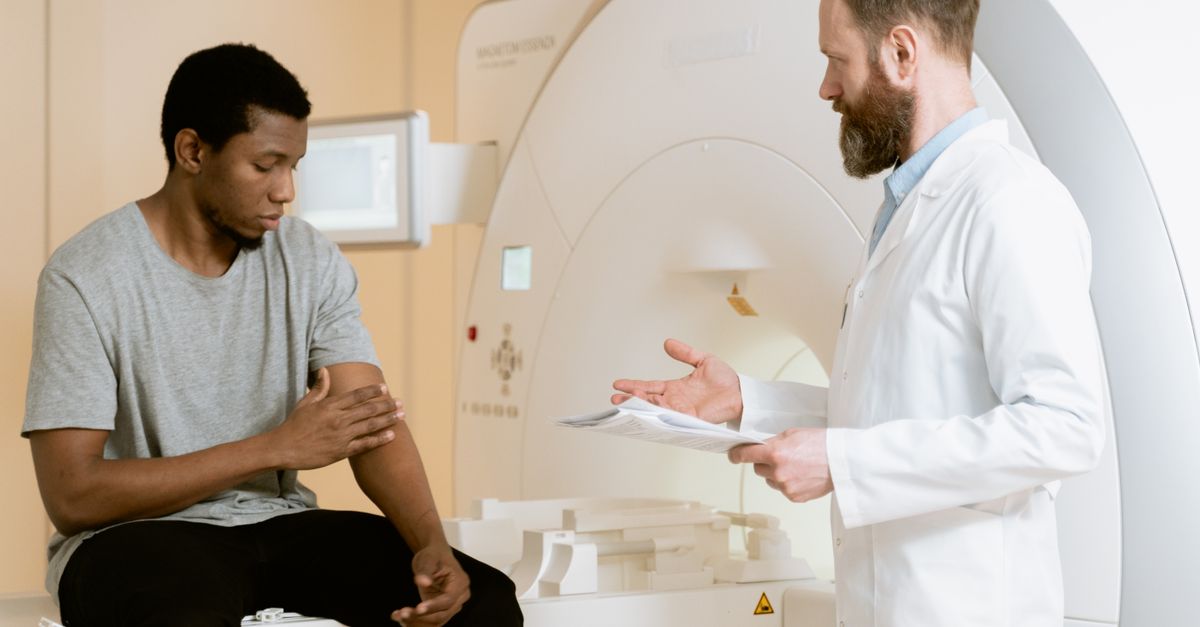
AI is reshaping healthcare by augmenting doctors' diagnostic capabilities, enhancing accuracy and efficiency.
In a bustling hospital in San Francisco, a radiologist peers at a series of complex MRI scans. At her side, a computer program rapidly highlights areas of concern, providing instant, data-driven insights. This scenario exemplifies a growing trend in healthcare: artificial intelligence (AI) serving as a second pair of eyes for medical professionals. As AI systems become more integrated into clinical settings, they promise to enhance diagnostic accuracy and efficiency, but they also raise critical questions about the future roles of human doctors.
Enhancing Diagnostic Accuracy
AI systems, particularly those employing machine learning algorithms, have demonstrated remarkable proficiency in identifying patterns in medical images that might elude human observers. For instance, studies have shown that AI can match or even surpass radiologists in detecting lung cancer from CT scans. This capability can significantly reduce the rate of false negatives, ensuring that more patients receive timely treatment.
Moreover, AI's ability to process vast datasets swiftly allows it to provide real-time analysis that can be crucial in emergency settings. By supplementing human expertise, AI aids in minimizing diagnostic errors, which, according to the National Academy of Medicine, affect about 12 million people annually in the United States.
Streamlining Workflow and Reducing Burnout
Beyond improving diagnostic precision, AI can also streamline medical workflows. Routine tasks like sifting through patient histories or compiling treatment plans can be automated, freeing up valuable time for healthcare providers to focus on patient interaction and complex decision-making. This shift could be particularly beneficial in high-pressure environments like emergency rooms, where time is of the essence.
The reduction of administrative burdens not only enhances efficiency but also addresses one of modern healthcare's pervasive issues: physician burnout. A 2021 survey by the American Medical Association found that over 40% of physicians reported feeling burned out, often due to administrative overload. By alleviating some of these pressures, AI can help foster a more sustainable work environment.
Ethical and Practical Considerations
Despite the clear benefits, the integration of AI into healthcare is not without its challenges. Ethical considerations loom large, particularly concerning data privacy and the potential for algorithmic bias. AI systems rely on large datasets, and if these datasets are not representative, the resulting algorithms may reflect and perpetuate existing disparities in healthcare outcomes.
Furthermore, there is the question of accountability. In cases where AI assists in diagnosis, determining responsibility for errors can become complex. As these technologies advance, it will be crucial for policymakers and healthcare institutions to establish clear guidelines about the roles and responsibilities of AI and human practitioners in patient care.
Training Tomorrow's Healthcare Workforce
As AI becomes increasingly embedded in clinical practice, medical education must adapt accordingly. Future healthcare professionals will need to be proficient not only in patient care but also in understanding and utilizing AI tools. This evolution in training programs is already underway at institutions like Stanford University, where courses on AI in medicine are becoming a core part of the curriculum.
The integration of AI requires a paradigm shift in how we perceive the roles of healthcare providers. Rather than replacing doctors, AI should be viewed as a collaborator that enhances human capabilities. This collaborative approach will ensure that the human touch remains central to patient care, while AI handles data-driven tasks that are beyond human capacities.
The Road Ahead
As AI technologies continue to advance, their role in healthcare will undoubtedly expand. The potential for AI to revolutionize diagnostics and patient care is immense, but it must be guided by thoughtful implementation and robust ethical standards. Embracing AI as a tool that complements human expertise will be key to realizing its full potential in transforming the healthcare landscape.