
How AI is Transforming Disease Risk Prediction in US Healthcare
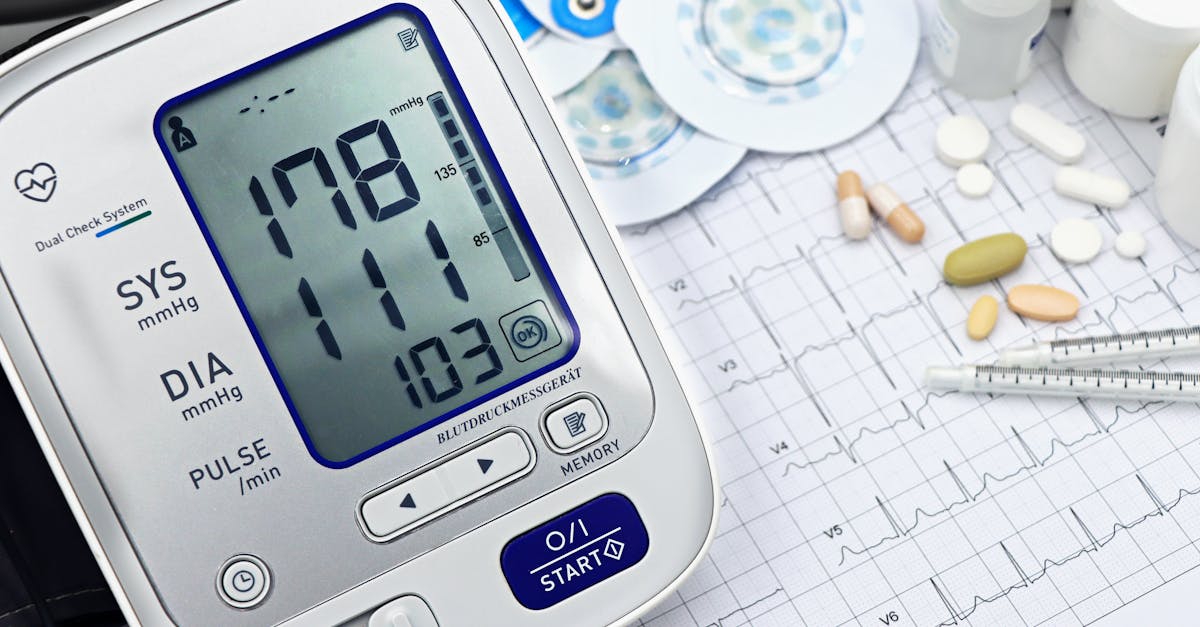
AI is reshaping disease risk prediction in the US, promising earlier interventions and personalized care.
Artificial intelligence (AI) is increasingly becoming a cornerstone in the realm of disease risk prediction, particularly within the intricacies of the U.S. healthcare system. With the Centers for Medicare & Medicaid Services (CMS) and the Food and Drug Administration (FDA) leading regulatory oversight, AI technologies are being harnessed to predict individual disease risk with remarkable precision, offering new pathways for early intervention and personalized treatment plans.
AI's Potential to Revolutionize Predictive Healthcare
The ability of AI to analyze vast datasets quickly and accurately positions it as a game-changer for predictive healthcare. By utilizing machine learning algorithms, AI can identify patterns and correlations in patient data that are often missed by traditional methods. This capability is particularly beneficial in predicting risks for chronic diseases such as diabetes, cardiovascular diseases, and certain cancers, which are prevalent in the U.S. population.
For example, AI applications can process electronic health records (EHRs), genetic information, and even lifestyle data to assess a patient's risk of developing a disease. These systems are capable of continuously learning and improving their predictive accuracy over time, making them invaluable tools for healthcare providers.
Regulatory Considerations and Challenges
Despite the promising potential of AI in disease risk prediction, there are significant regulatory hurdles that must be addressed. The FDA, which oversees the approval of AI-powered medical devices and software, requires rigorous testing to ensure accuracy and reliability. This is crucial as inaccurate predictions could lead to inappropriate treatments or missed diagnoses.
Moreover, data privacy concerns loom large. The Health Insurance Portability and Accountability Act (HIPAA) mandates strict privacy protections for patient data, presenting a challenge for AI systems that rely on vast amounts of personal data to function effectively. Balancing data utility with privacy rights remains a critical issue for policymakers and healthcare providers alike.
Implications for U.S. Healthcare Providers and Patients
The integration of AI in disease risk prediction offers numerous benefits for both healthcare providers and patients. For providers, AI can streamline workflows, reduce costs, and improve patient outcomes by enabling more accurate and timely predictions. Hospitals and clinics can use these insights to prioritize resources and tailor interventions to those most at risk, thereby improving the efficiency of care delivery.
Patients stand to benefit from more personalized healthcare. With AI-driven risk assessments, individuals receive tailored health plans that consider their unique genetic and environmental risk factors. This personalized approach can lead to earlier detection of disease, potentially reducing the severity of illness and improving quality of life.
Looking Ahead: The Future of AI in Disease Prediction
As AI continues to evolve, its role in predicting disease risk is expected to expand further. The ongoing development of more sophisticated algorithms and the increasing availability of health data will likely enhance predictive accuracy. Furthermore, initiatives by the National Institutes of Health (NIH) and collaborations with tech companies are paving the way for groundbreaking advancements in this field.
However, the success of AI in disease risk prediction will depend on continued investment in research and a robust regulatory framework that supports innovation while safeguarding patient safety and privacy. The potential for AI to transform disease prediction is immense, but realizing this potential will require careful navigation of the associated challenges.
The journey towards a more predictive, AI-driven healthcare system is well underway, and its successful implementation could mark a new era in disease management and prevention.