
AI Revolutionizing Medical Robotics: What to Expect
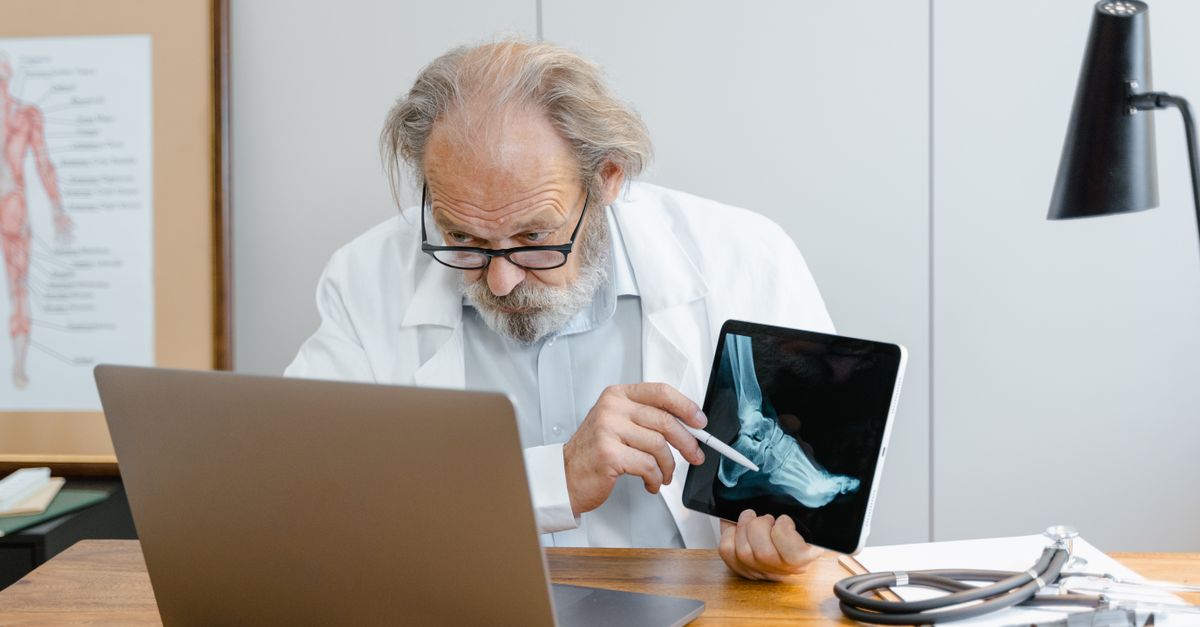
AI is transforming medical robotics, enhancing precision, and redefining patient care in unprecedented ways.
The integration of artificial intelligence (AI) into medical robotics is not just a technological advance; it is a transformative shift reshaping the landscape of healthcare. From surgical precision to personalized patient care, AI-powered robots are beginning to redefine the roles of healthcare professionals and the experiences of patients.
Robotic Surgery: A New Standard of Precision
One of the most significant impacts of AI in medical robotics is seen in robotic-assisted surgery. Systems like the da Vinci Surgical System have been enhanced with AI capabilities, allowing for greater precision and flexibility. These systems can perform complex tasks through tiny incisions with increased accuracy, reducing recovery times and minimizing surgical risks.
AI algorithms analyze vast amounts of data from previous surgeries to suggest optimal pathways and strategies, significantly aiding surgeons during procedures. This predictive capability is particularly beneficial in complicated surgeries involving vital organs where precision is paramount.
Beyond the Operating Room: AI in Diagnostic Robotics
AI is also making strides beyond surgical applications, particularly in diagnostics. Advanced AI-driven robots are being developed to perform routine diagnostic tasks, such as blood tests and imaging analysis. These robots can analyze samples and images with a level of accuracy that rivals human experts, providing quicker and more reliable results.
For example, AI-enhanced robotic systems are now being used in radiology to identify anomalies in medical images that might be easily missed by the human eye. This capability not only speeds up the diagnostic process but also improves the accuracy of diagnoses, leading to better treatment outcomes.
AI-Powered Rehabilitation and Assistance
The application of AI in medical robotics is also extending into rehabilitation and patient assistance. Robots equipped with AI can assist in physiotherapy by adapting exercises to the patient's progress, offering personalized therapy regimens that evolve with the patient’s recovery.
Such systems are proving invaluable in elder care, where AI-driven robots can monitor vital signs, provide reminders for medication, and even assist with mobility. These features enable elderly patients to maintain independence while ensuring their safety and well-being.
Ethical and Regulatory Challenges
The rapid advancement of AI in medical robotics brings with it a host of ethical and regulatory challenges. Concerns about data privacy, the potential for job displacement, and the need for stringent regulatory oversight are all critical issues that need addressing. Ensuring that AI systems are transparent and accountable is essential to maintaining trust in these technologies.
The regulatory landscape must evolve to keep pace with technological advancements. Regulatory bodies worldwide, such as the FDA in the United States, are working to develop frameworks that ensure the safety and efficacy of AI-driven medical devices. These frameworks must balance innovation with the need to protect patient safety.
The Future of AI and Medical Robotics
The future of AI in medical robotics holds immense potential. As AI technologies continue to advance, we can expect even more sophisticated robotic systems that integrate seamlessly into the healthcare environment. The ongoing research into machine learning and neural networks will likely lead to robots that can anticipate patient needs, provide more personalized care, and continuously learn from each interaction.
Ultimately, the goal is to create a healthcare system where AI and robotics work hand in hand with human professionals to enhance patient outcomes and make healthcare more accessible and efficient. As Dr. Laura Smith, a leading expert in medical robotics, suggests, "The true power of AI is not in replacing human care but in augmenting it, providing tools that allow us to deliver care that was once unimaginable."