
AI Revolutionizes Drug Development: Speed, Precision, and Potential
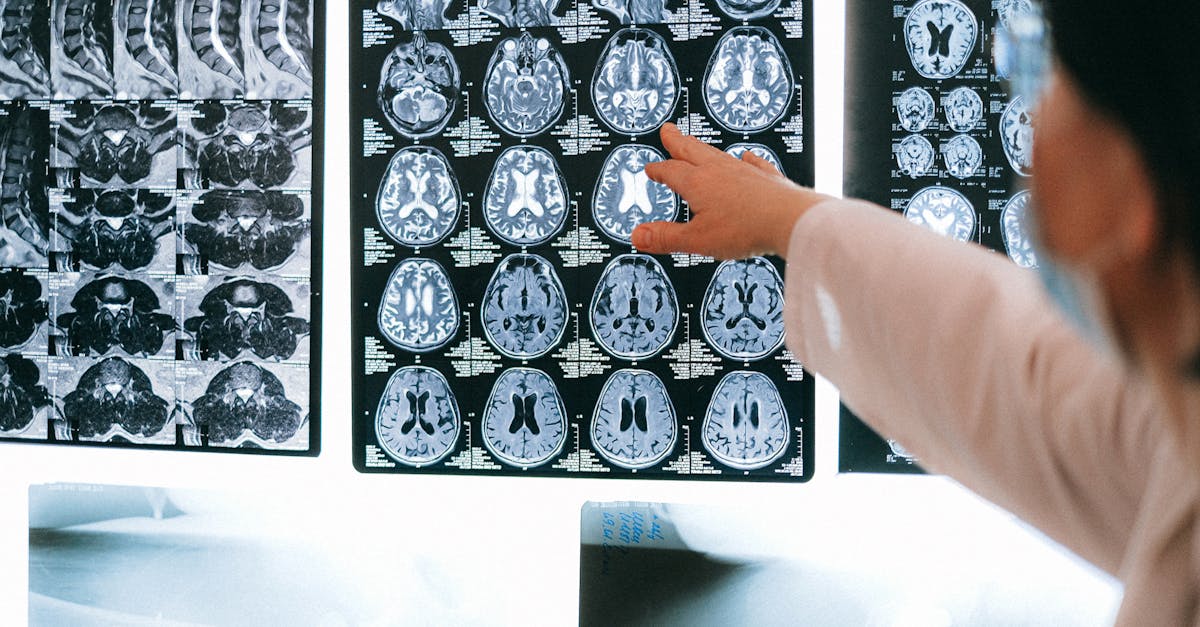
AI is transforming drug development, accelerating timelines and increasing precision in creating new therapies.
Artificial intelligence (AI) is reshaping the landscape of drug development, offering unprecedented speed and precision. It promises not only to streamline the traditionally long and costly process of bringing new drugs to market but also to open new avenues in the treatment of complex diseases. The integration of AI into pharmaceutical research is a game-changer, with companies reporting reduced timelines and increased success rates in clinical trials.
Accelerating Drug Discovery
The initial phase of drug development, known as drug discovery, is notoriously time-consuming. Traditionally, this stage can take years to progress from identifying a viable compound to conducting initial tests. AI significantly shortens this timeline by swiftly analyzing vast datasets to identify promising molecule candidates. For instance, companies like Atomwise use AI algorithms to screen millions of compounds rapidly, identifying those with the highest potential to interact with disease targets.
Moreover, AI can predict how these compounds will behave in the human body, which historically required extensive laboratory work. By using machine learning models trained on biological data, AI can forecast the efficacy and toxicity of new compounds, reducing the need for early-stage animal testing and human trials.
Enhancing Clinical Trials
Once a drug passes the discovery phase, clinical trials present the next significant hurdle. These trials are critical for assessing safety and efficacy but are notoriously expensive and fraught with delays. AI enhances this process by optimizing trial designs and patient recruitment. By analyzing patient data, AI can identify suitable candidates for trials, ensuring that studies are conducted with participants who are most likely to benefit from the treatment.
Additionally, AI helps in monitoring trial progress in real-time, identifying potential issues before they become problematic. This proactive approach can significantly reduce dropout rates and improve the reliability of trial results. Companies like Deep 6 AI are already employing these techniques to streamline clinical trials, promising faster and more reliable outcomes.
Personalized Medicine: A New Frontier
AI's potential extends beyond just speeding up the drug development process. It also plays a pivotal role in the emerging field of personalized medicine. By analyzing genetic information, AI can help tailor treatments to individual patients, increasing the effectiveness of therapies. This approach is particularly beneficial for cancer treatments, where AI can analyze tumor genetics to suggest the most effective drug combinations.
Pharmaceutical giants like Roche and Pfizer are investing heavily in AI-driven personalized medicine. These companies aim to develop therapies that are not only more effective but also reduce the risk of adverse reactions, as treatments can be customized to the patient's genetic profile.
Challenges and Ethical Considerations
Despite the promising advancements, integrating AI into drug development poses several challenges. Data privacy remains a significant concern, as AI systems require vast amounts of patient data to function effectively. Ensuring that this data is collected and used ethically is crucial to maintaining public trust.
Moreover, the regulatory landscape for AI-driven drug development is still evolving. Agencies like the FDA are working to establish frameworks to evaluate AI-based innovations, ensuring they meet the same rigorous standards as traditional methods. This regulatory clarity is essential for widespread adoption and trust in AI-driven solutions.
As AI continues to advance, its role in drug development will only grow more significant. The technology holds the promise of not just faster drug discovery and development but also the creation of more effective, personalized treatments. As these systems are refined and integrated into the healthcare ecosystem, they may well become indispensable tools in the fight against disease.