
AI Revolutionizes Clinical Trials Across the USA
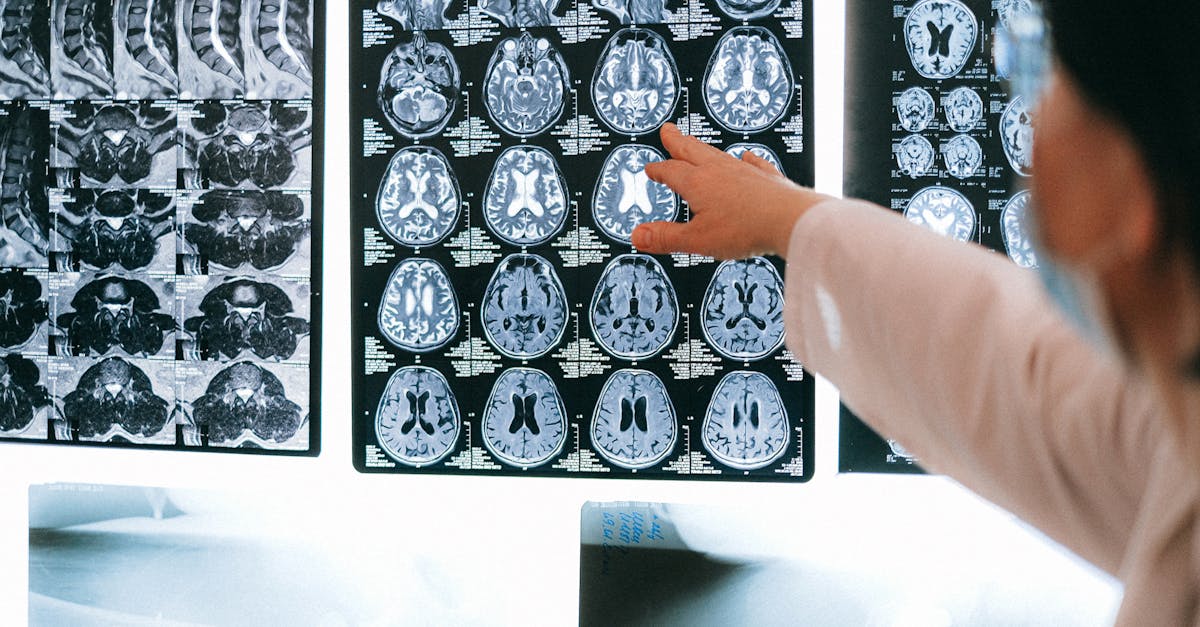
Artificial intelligence is reshaping clinical trials in the US, promising faster, more accurate results and potentially transforming healthcare outcomes.
Artificial intelligence (AI) is becoming an indispensable tool in clinical trials across the United States, promising to streamline research processes and enhance the accuracy and speed of trial outcomes. This technological shift is not just a futuristic vision; it is actively transforming how new therapies and drugs are tested and approved, impacting stakeholders from pharmaceutical companies to healthcare providers and ultimately, patients.
Why AI is the New Frontier in Clinical Trials
The integration of AI into clinical trials is primarily driven by the need to manage vast amounts of data swiftly and effectively. Traditional trials often rely on manual data collection and analysis, which can be both time-consuming and prone to human error. AI, with its ability to process and analyze complex datasets, offers a solution that can potentially reduce the time required to bring new drugs to market.
For instance, AI algorithms are now being utilized to identify suitable candidates for trials by sifting through electronic health records and other healthcare databases. This approach not only speeds up the recruitment process but also ensures a more diverse and representative sample of participants, addressing longstanding challenges in clinical research.
Regulatory Landscape: The Role of the FDA
The U.S. Food and Drug Administration (FDA) is at the forefront of adapting regulatory frameworks to accommodate the use of AI in clinical trials. In recent years, the FDA has issued guidance to encourage innovation while ensuring that AI applications meet safety and efficacy standards. This involves rigorous validation processes and continuous monitoring, ensuring that AI-driven trials adhere to stringent ethical and scientific protocols.
FDA Commissioner Robert Califf has emphasized the importance of AI in modernizing clinical trials, stating, "We are committed to fostering the development and use of AI technologies to enhance the efficiency and effectiveness of clinical trials, ultimately aiming to improve public health."
Pharmaceutical Industry Embraces AI
Pharmaceutical giants in the United States, such as Pfizer and Johnson & Johnson, are increasingly investing in AI to optimize their clinical trial operations. AI is being employed to predict outcomes, identify potential side effects early, and personalize treatment plans for participants, thus enhancing the overall success rate of trials.
Moreover, AI's predictive capabilities allow for adaptive trial designs, where data-driven insights can lead to real-time adjustments in trial protocols. This flexibility can result in more efficient use of resources and faster decision-making processes.
Challenges and Ethical Considerations
Despite its promise, the use of AI in clinical trials is not without challenges. Data privacy concerns are paramount, as AI systems require access to sensitive patient information. Ensuring compliance with the Health Insurance Portability and Accountability Act (HIPAA) and other privacy regulations is critical to maintain trust between patients and healthcare providers.
Additionally, there is an ongoing debate about the ethical implications of AI-driven decision-making in clinical trials. Transparency in how AI algorithms function and make decisions is essential to ensure that biases are not inadvertently introduced into the trial process.
The Future of AI in Clinical Trials
The integration of AI in clinical trials is set to accelerate, with ongoing advancements in machine learning and data analytics. As AI technologies evolve, they hold the potential to revolutionize not only how trials are conducted but also how healthcare systems operate at large.
Looking forward, continued collaboration between regulatory bodies, healthcare providers, and technology developers will be crucial in harnessing AI's full potential. As AI continues to shape the landscape of clinical trials, it will inevitably lead to more personalized, efficient, and effective healthcare solutions for patients across the United States.