
AI research collaborations between AIIMS and IITs
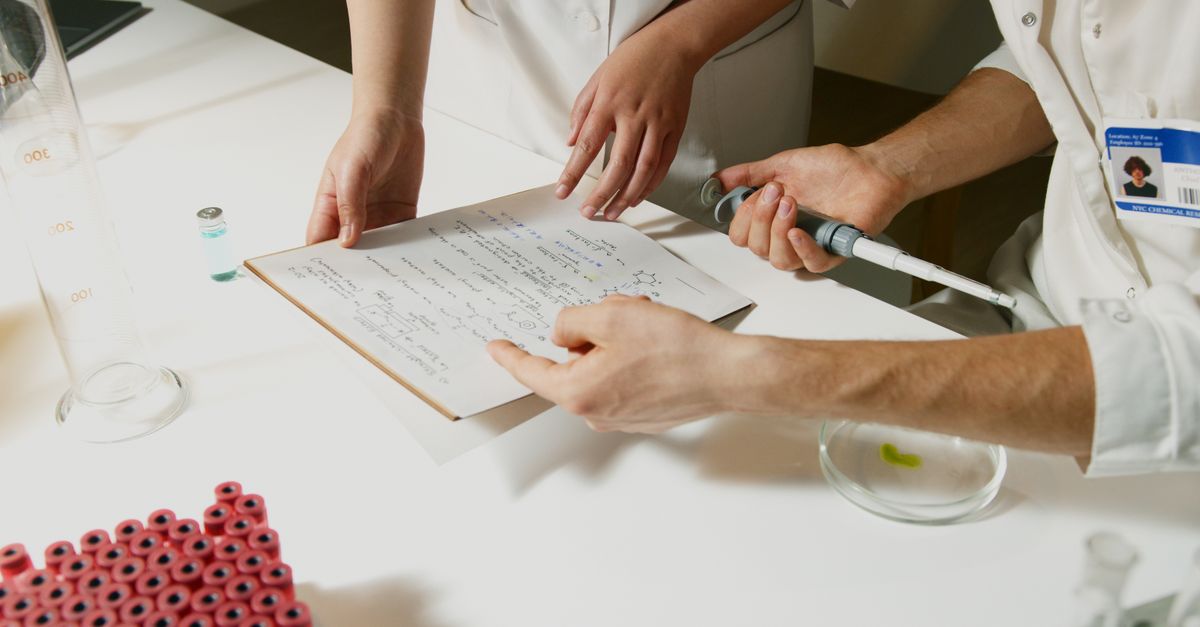
AIIMS and IITs team up to advance AI in healthcare research.
Artificial Intelligence (AI) has emerged as a transformative force in various sectors, particularly in healthcare. In India, the All India Institute of Medical Sciences (AIIMS) has been at the forefront of medical research and education, while the Indian Institutes of Technology (IITs) are renowned for their engineering and technological innovations. This article explores the collaborative efforts between AIIMS and IITs in AI research, highlighting the potential benefits and innovative solutions that arise from such partnerships.
Exploring Synergies: AIIMS and IITs Unite for AI Research
The collaboration between AIIMS and IITs represents a significant step toward integrating advanced technology into healthcare. Both institutions bring unique strengths to the table; AIIMS offers clinical insight and a deep understanding of patient needs, while IITs contribute cutting-edge technological expertise and research capabilities. This synergy aims to develop AI-driven solutions that enhance diagnostic accuracy, treatment efficiency, and overall patient care.
One of the key areas of focus for these collaborations is the development of AI algorithms that can analyze medical data. For instance, deep learning techniques are being explored to identify patterns in imaging data, such as X-rays and MRIs, potentially leading to faster diagnoses of conditions like cancer. By leveraging large datasets from AIIMS, IIT researchers can train AI models that not only improve accuracy but also personalize treatment plans based on individual patient data.
Moreover, collaborative projects often involve interdisciplinary teams that include doctors, engineers, and data scientists. This diverse expertise fosters an environment of innovation, encouraging the exploration of new ideas and approaches to healthcare challenges. By working together, AIIMS and IITs aim to bridge the gap between theoretical research and practical application, ultimately making healthcare more accessible and efficient.
Pioneering Healthcare Solutions Through Collaborative Innovation
As part of their collaborative efforts, AIIMS and IITs have initiated various research projects aimed at developing AI tools for healthcare. One such project focuses on predictive analytics, which utilizes machine learning algorithms to anticipate patient outcomes based on historical data. This could prove invaluable in managing chronic diseases, allowing healthcare providers to intervene earlier and tailor treatment plans effectively.
Another promising area of research is the use of natural language processing (NLP) to enhance patient interaction and data management. By employing NLP, healthcare providers can streamline patient records and improve communication, making it easier to gather information and provide timely care. Such innovations could significantly reduce administrative burdens on healthcare professionals, allowing them to focus more on patient care rather than paperwork.
Additionally, these collaborations often explore ethical considerations surrounding AI in healthcare. As AI becomes more integrated into medical practice, concerns about data privacy, algorithmic bias, and the implications of automation must be addressed. By engaging in discussions about these issues, AIIMS and IITs aim to set a precedent for responsible AI research and application in healthcare settings.
The collaboration between AIIMS and IITs highlights the potential for AI to revolutionize the healthcare landscape in India. By combining their strengths, these institutions are paving the way for innovative solutions that can improve patient outcomes and healthcare efficiency. As they continue to explore and expand their research initiatives, the impact of their work may extend far beyond India, influencing global healthcare practices and policies. The journey of AI in healthcare is just beginning, and the future holds promise for both patients and providers alike.