
AI-powered voice-to-text documentation in hospitals
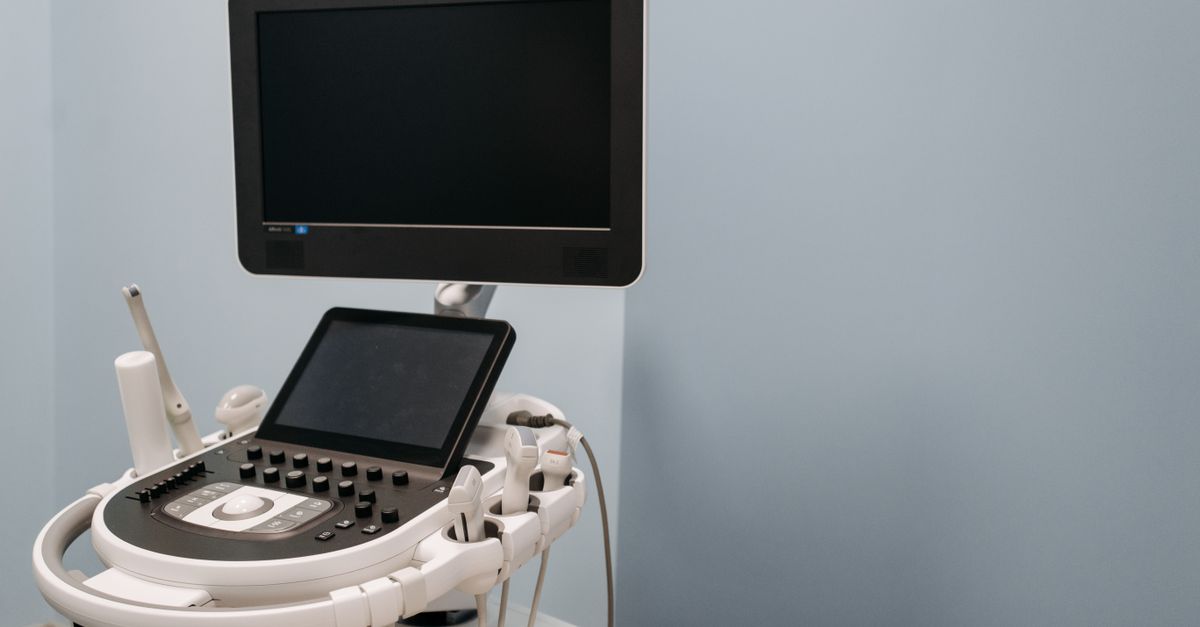
AI voice-to-text tools streamline hospital documentation, enhancing efficiency.
As the healthcare industry continues to evolve, the integration of technology has significantly transformed how medical professionals manage documentation. Among these advancements, AI-powered voice-to-text systems are emerging as a powerful tool in hospitals. By converting spoken language into written text, these systems promise to ease the documentation burden on healthcare providers, ultimately aiming to enhance patient care and operational efficiency. In this article, we explore the transformative role of AI in voice-to-text documentation and the benefits it brings to hospitals.
Transforming Healthcare: The Role of AI in Voice-to-Text Docs
AI-powered voice-to-text technology is reshaping the way healthcare providers document patient interactions. Traditionally, physicians and nurses have spent countless hours transcribing notes, which can detract from patient care. With AI systems, medical professionals can dictate their observations and assessments, allowing for real-time documentation that is both accurate and efficient. This technology utilizes sophisticated algorithms and natural language processing to understand medical terminology and context, ensuring that the generated text is reliable.
Furthermore, the adoption of voice-to-text solutions aligns with the growing trend of digitization in healthcare. Many hospitals are now using electronic health records (EHR) systems that can seamlessly integrate with AI documentation tools. By automating the transcription process, healthcare providers can reduce the administrative burden, thereby allowing them to devote more time to direct patient care. This shift not only enhances workflow but also fosters better communication among healthcare teams, as notes and records are updated instantaneously.
Additionally, the continuous learning capability of AI means that these systems can improve over time. As more data is collected, machine learning algorithms can adapt to the unique language and preferences of individual practitioners. This customization can lead to increased accuracy and user satisfaction, encouraging broader adoption among healthcare professionals. Overall, AI-powered voice-to-text documentation is paving the way for a more efficient and responsive healthcare environment, ultimately benefiting both providers and patients.
Enhancing Efficiency: Benefits of AI Documentation in Hospitals
One of the primary benefits of AI-powered voice-to-text documentation is the significant reduction in time spent on paperwork. Studies have shown that healthcare providers can save hours each week by using voice recognition technology, allowing them to focus more on patient care rather than administrative tasks. This efficiency is particularly crucial in high-pressure environments like hospitals, where every minute counts in delivering quality healthcare.
Moreover, the reduction in documentation errors is another key advantage of AI systems. Manual transcription is prone to mistakes, which can have serious implications for patient safety and treatment outcomes. AI-powered tools are designed to minimize these errors by accurately capturing the nuances of spoken language, including medical jargon. This not only enhances the quality of patient records but also streamlines communication among healthcare providers, leading to more effective care coordination.
Finally, the use of AI in documentation can help hospitals achieve compliance with regulatory requirements more easily. With accurate and timely records, healthcare facilities can better adhere to standards set by governing bodies, reducing the risk of penalties or audits. In a landscape where accountability and transparency are increasingly important, voice-to-text documentation powered by AI can play a pivotal role in supporting hospitals in their compliance efforts while also improving overall operational efficiency.
In conclusion, AI-powered voice-to-text documentation stands as a transformative force in the healthcare industry, offering a myriad of benefits that enhance both efficiency and patient care. By reducing administrative burdens, minimizing errors, and supporting compliance, hospitals can leverage this technology to create a more responsive healthcare environment. As AI continues to evolve, its role in documentation will likely expand, making it an indispensable tool for healthcare providers navigating the complexities of modern medical practice.